Ice Dams 101 — Why Spokane Roofs Grow Icicles
Warm attic melts snow, refreeze at eaves
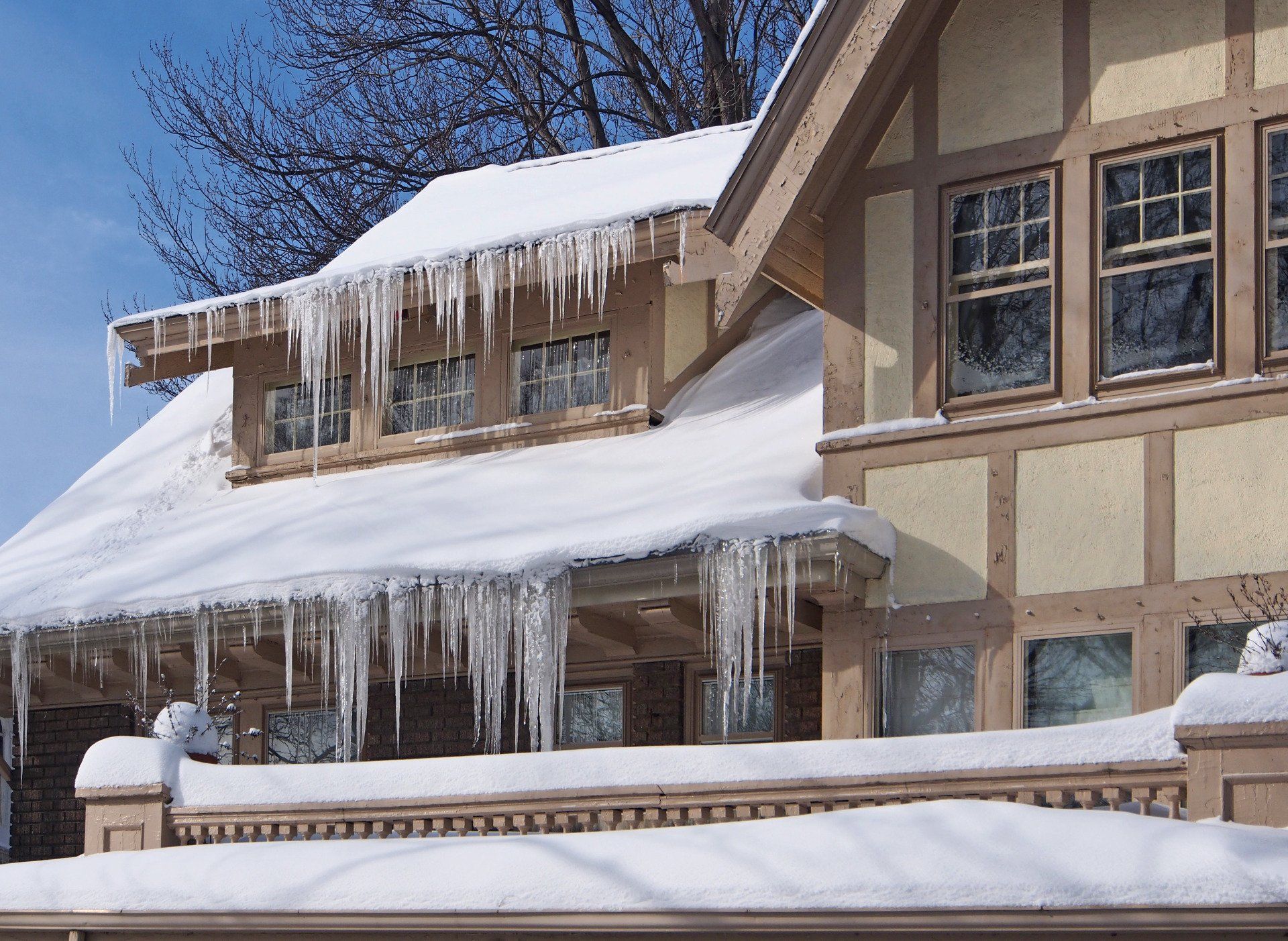
Big icicles are not a winter decoration. They are a receipt. Every one of them is heat you paid Avista for, leaked through your ceiling, used to melt snow, and then froze at the edge of your roof.
The good news: ice dam prevention in Spokane is a fall project, not a January emergency. Fix the attic now and the roof stays boring all winter. Boring is what you want from a roof.
What do icicles on your roof mean?
Icicles on your roof mean snow is melting when it should not be. If it is 20 degrees outside and water is running off your roof, something under that snow is warm. That something is your attic.
Not every icicle is a crisis. Here is how to read them.
What you see
What it means
A few thin icicles after a sunny afternoon
Normal. The sun melted a little snow and it refroze at dusk.
Thick icicles along the whole eave, growing on cloudy days
Attic heat is melting the snow from below. An ice dam is building behind them.
Ice bulging over the gutter or behind it
The dam is established. Water is pooling on the roof above it.
Ice or water stains on the siding or soffit
Meltwater is already getting behind the fascia.
Bare patches on your roof while the neighbors' roofs are white
Warm spots in the attic, usually over can lights, bath fans, or the attic hatch.
Stains on an upstairs ceiling near an outside wall
Water has backed up under the shingles and into the house.
The neighbor test is the fastest one. Same street, same storm, same sun. If your roof grows icicles and theirs does not, the weather is not the difference. The attic is.
How an ice dam forms
An ice dam is a four-step loop, and your furnace powers all of it.
- Warm air leaks into the attic. It rises through gaps around can lights, bath fans, plumbing and wiring holes, and the attic hatch.
- The attic warms the roof deck. The bottom layer of snow melts, even when the air outside is well below freezing.
- Meltwater runs down to the eaves. The eaves hang out past the walls of the house, so there is no warm attic under them. They stay cold.
- The water refreezes at the edge. Each day adds a layer. The ridge of ice grows into a dam, and new meltwater pools behind it.
Shingles are built to shed water running downhill. They are not built to hold a pond. Pooled water works back up under them, soaks the roof deck and the insulation, and shows up as a ceiling stain weeks later. By spring that wet wood and insulation is where attic mold starts.
Spokane winters feed the loop. We get snow, then sun, then a hard freeze overnight, again and again from December through February. We wrote a full breakdown of what causes ice dams in Spokane if you want the long version.
Why heat cables are not the fix
Heat cables do not stop ice dams. They melt a zigzag channel through one so water can drain. The attic underneath is still leaking heat, and the snow above is still melting.
Think about what that means. You are paying to heat the attic by accident, then paying again to heat the roof edge on purpose.
- They cost money every winter. Most cable draws 5 to 8 watts per foot. A 100-foot run pulls 500 to 800 watts every hour it is on.
- They only protect where they are. Water can refreeze just past the cable, in a valley, or in the downspout.
- They wear out. Cables fail, clips pull loose, and the first sign is usually the ice dam you thought you had handled.
- They hide the real problem. The heat loss that built the dam is also running up your heating bill and pushing moisture into the attic.
Roof rakes, salt pucks, and a guy with a hammer fall in the same bucket. They manage ice. None of them touch the cause. If water is coming into the house right now, professional steam removal is the safe emergency move. Then fix the attic so you never need it again.
Ice dam prevention that works: keep the roof cold
An ice dam cannot form on a roof that is the same temperature as the air outside. Snow just sits there until spring, the way it does on an unheated shed. Getting your house to act like that shed takes three things, in this order.
1. Air sealing
Air sealing comes first because leaks move more heat than anything else. We pull back the old insulation and seal every hole between the house and the attic: can lights, bath fan housings, plumbing stacks, wiring holes, the tops of interior walls, and the attic hatch. Skip this step and the new insulation is a winter coat with the zipper open.
2. Attic insulation
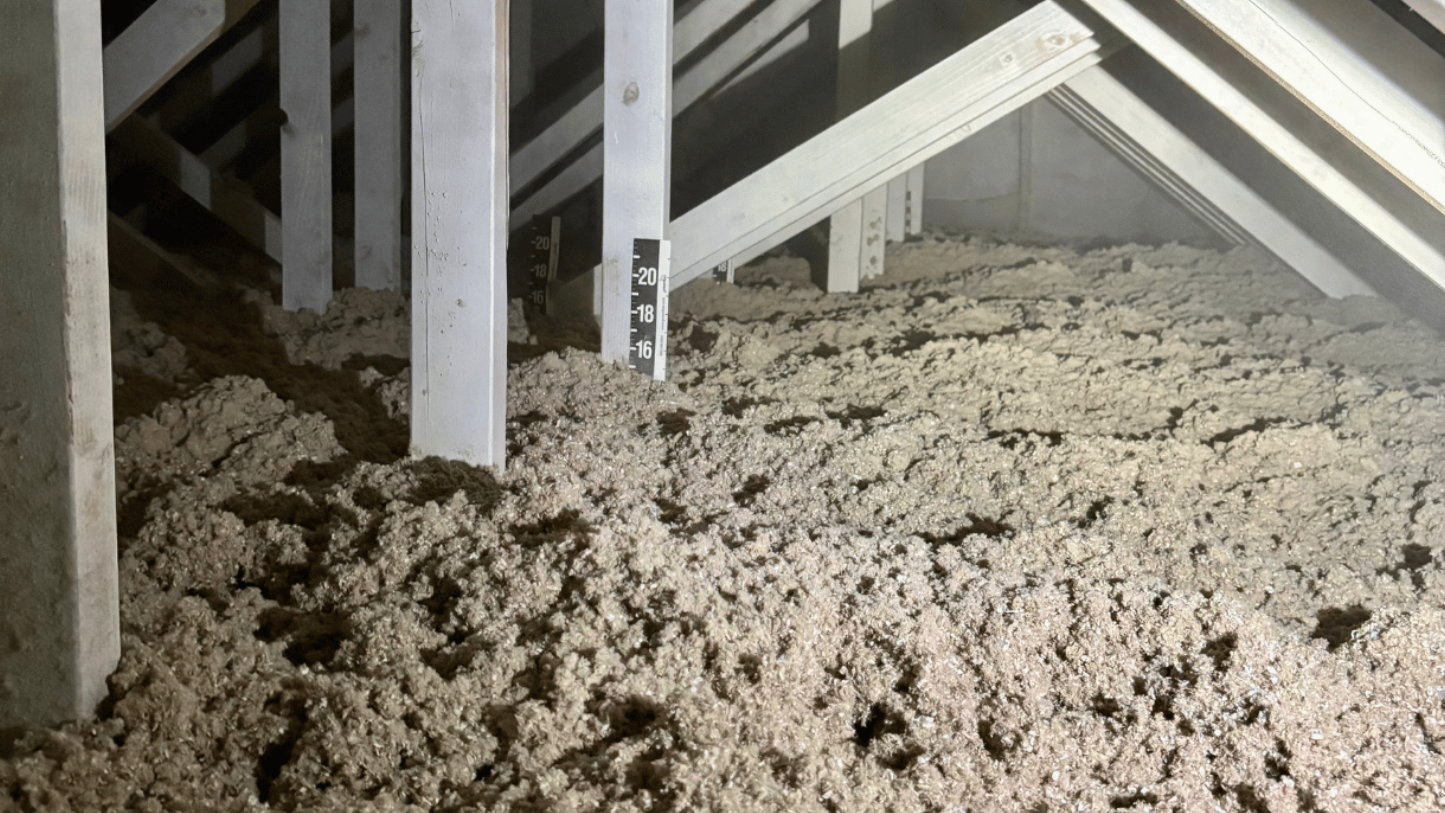
Attic insulation stops ice dams by keeping furnace heat in the rooms below. We blow in Clean Fiber cellulose to R-49 or R-60. Many older Spokane homes have a fraction of that. Cellulose packs tight around framing and wires, so it leaves fewer gaps than fiberglass batts.
The edges matter most. The spot where the roof meets the outside wall is the tightest part of the attic and the easiest to under-fill. It sits right above where ice dams form. We set baffles at the eaves so insulation can go full depth without blocking the vents.
3. Ventilation
Ventilation flushes out the little heat that still gets through. Cold air comes in at the soffits and leaves near the ridge, which keeps the roof deck within a few degrees of the outdoor air. It also carries off moisture before it turns to frost on the underside of the roof. If the intake is blocked or undersized, we correct it as part of the job. More on that on our ventilation upgrades page.
One more item: bath fans. A bath fan that dumps into the attic is a steam heater pointed at your roof deck. Every fan gets ducted to the outside.
Do all three and the loop never starts. The same work lowers your heating bill, evens out the cold bedrooms, and keeps the upstairs cooler in August.
Why fall is the time to prevent ice dams
October is the best month to fix an attic in Spokane. The work is the same in January, but everything around it is harder.
- You get the whole winter's payoff. Insulate before the first snow and you save on every heating bill, not just the last few.
- The attic is workable. Air sealing is careful, slow work. It goes better before the attic is 15 degrees and the roof deck is frosted.
- Schedules are open. The first big snow makes everyone look up at their roof on the same morning. The phone rings accordingly.
- You fix it before there is damage. A dam that leaks means wet insulation to remove, not just insulation to add.
Not sure what you have up there? Our 20-minute attic check walks you through it with a flashlight.
Rebates help pay for it
Avista pays rebates on attic insulation. These are the current amounts on our rebates page. Eligibility rules apply, and programs change each year.
Utility Insulation rebate Avista
$1.75 per square foot
We also offer financing if you would rather not pay for it all at once.
Frequently asked questions
Are icicles on my roof always a bad sign? No. A few small ones after a sunny day are normal. Thick icicles along the full eave, or ones that keep growing on cloudy days, mean attic heat is melting the snow.
Can gutters cause ice dams? No. Gutters give the ice somewhere to sit, but dams form on roofs with no gutters at all. Clean gutters are good practice. They are not ice dam prevention.
Will a new roof stop ice dams? No. A new roof over the same leaky attic gets the same ice. Ice and water shield under the shingles limits the damage, but it does not stop the melting.
Do I have to remove my old insulation first? Not always. Clean, dry insulation can be pulled back for air sealing and then topped off. Insulation that is wet, moldy, rodent-soiled, or smoke-contaminated should come out. So should vermiculite, which needs licensed removal.
How long does the work take? Most attic air sealing and insulation jobs take one day. We tell you the schedule before we start and we stick to it.
How do I know it worked? Watch the roof after the next snow. It should stay evenly white while the temperature is below freezing, with no bare patches and no heavy icicles at the eaves.
Get your attic checked before the snow flies
A free inspection tells you whether your roof will grow ice this winter. We look at insulation depth, air leaks, bath fan ducting, and ventilation. Then you get a written plan with pricing and any rebate you qualify for. No pressure, and we show up when we say we will.
Call or text (509) 879-0495 or schedule an inspection online.
Pacific Insulation & Mold Remediation. Veteran-owned, local, licensed and insured in Spokane and Coeur d'Alene since 2012. WA Lic. #PACIFIL886KH. ID Lic. #RCE-47538. 135+ five-star Google reviews.
Everything Attic. Except Bats. We're Terrified of Bats.
Follow us