Asbestos Attic Insulation

Asbestos Contaminated Vermiculite Removal in Spokane County

Safe, certified asbestos removal in Spokane & CDA for homeowners and buyers concerned with potential contamination and health concerns. We handle vermiculite insulation, all attic abatement and full hazardous material cleanup. Our licensed team follows Washington state and EPA guidelines, using HEPA filtration and negative air systems to protect your family and your space.

Call for a Free Estimate

Asbestos-Safe Attic Insulation Cleanup (Zonolite / Vermiculite)

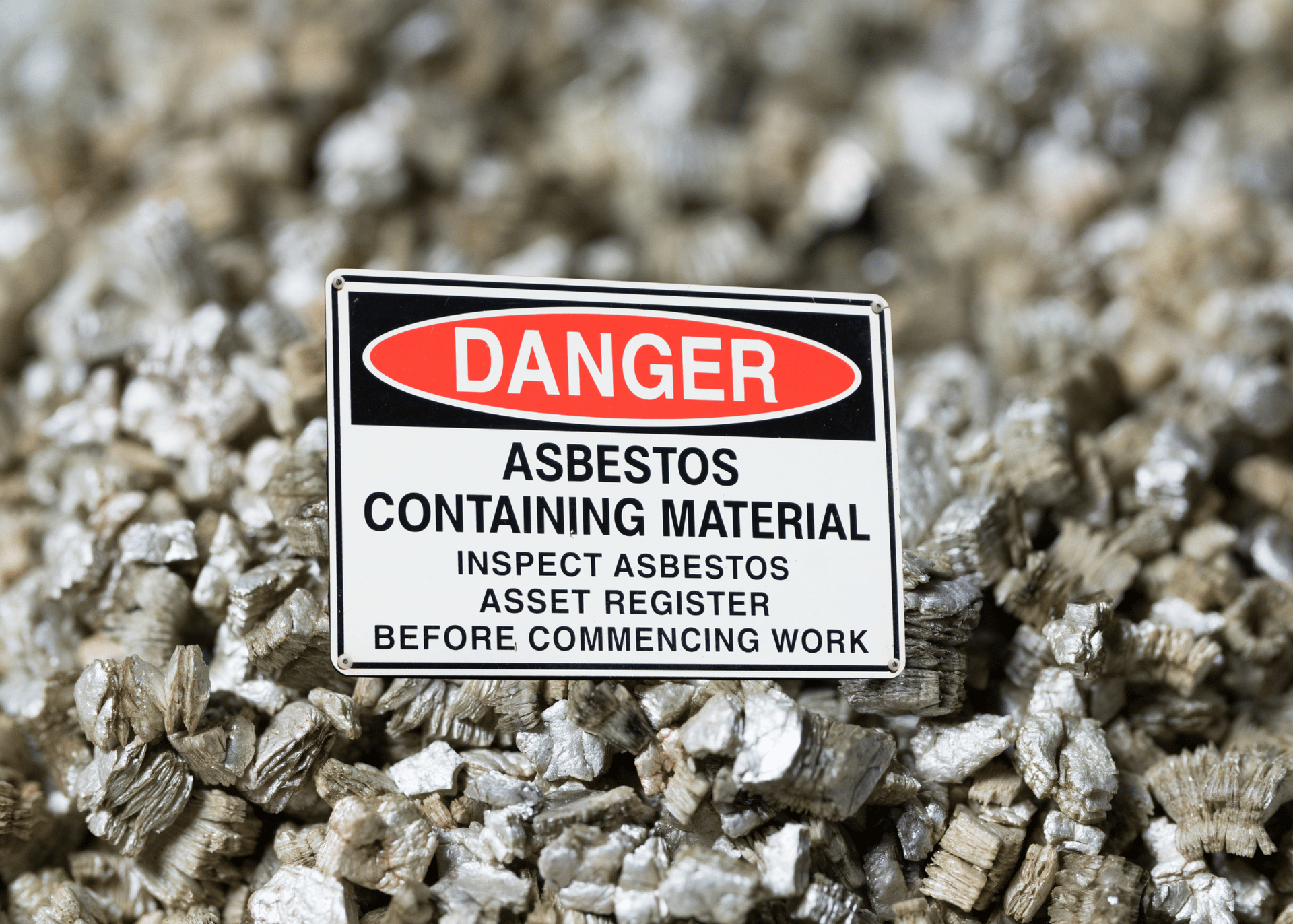
If your attic has vermiculite insulation—often the pebble-like gray/brown loose-fill commonly called Zonolite—you should assume it may contain asbestos and treat it like a regulated material. The EPA advises homeowners to take precautions with vermiculite attic insulation because some sources were contaminated with asbestos. (epa.gov)


We provide vermiculite removal Spokane County homeowners trust: professional containment, HEPA filtration, compliant disposal, and documentation—so you can renovate, reinsulate, or sell with confidence.

What Is Vermiculite Insulation?

Vermiculite is a naturally occurring mineral that expands when heated. In attics it looks like lightweight flakes/pellets, sometimes glittery, ranging from gray to brown/gold. The concern is that a large portion of vermiculite sold in the U.S. came from a source associated with asbestos contamination. (epa.gov)


Bottom line: In Spokane County (and everywhere else), the safest assumption is vermiculite testing Spokane or handling it as potentially asbestos-containing. (epa.gov)

  • Is vermiculite insulation asbestos?

    As much as 85 percent of the heat lost in a house passes through the attic. In fact, the U.S. Department of Energy estimates that boosting attic insulation can lower heating costs by 10 to 50 percent (depending on the current level of insulation). Eliminating heat transfer to the attic not only keeps the heat in the house but it helps limit cold air from being drawn into the house from cracks and holes as the heat escapes through the ceiling.

  • Do I need an inspection before vermiculite removal in Spokane County?

    Loose fill is ideal for attics because it settles into all the little nooks and cavities, particularly with Cellulose which only becomes denser as it settles. Fiberglass batt is perfect for applications like floor insulation or wall insulation but when it comes to an attic where the insulation is directly exposed to the cold air in an attic we highly recommend blowing in an R-49 or R-60 with cellulose.

  • Do I need a Notice of Intent (NOI) with SRCAA?

    If the job is handled as asbestos work (common best practice), SRCAA Notice of Intent requirements often apply before removal. (SRCAA)

    https://www.thespruce.com/cellulose-insulation-basics-1821904

  • What does vermiculite look like?

    Describe the item or answer the question so that site visitors who are interested get more information. You can emphasize this text with bullets, italics or bold, and add links.
  • What are the health risks of vermiculite?

    1. The real issue: asbestos contamination


    Vermiculite itself isn’t the villain. The problem is that a lot of it—especially older attic insulation—was contaminated with asbestos (notably from Libby, Montana).


    If asbestos is present and disturbed, it releases microscopic fibers you can breathe in. That’s where things get serious.


    2. Major health risks (from asbestos exposure)


    Mesothelioma

    Rare but aggressive cancer affecting the lining of the lungs or abdomen. Almost exclusively tied to asbestos.


    Lung cancer

    Risk increases significantly with asbestos exposure—especially if someone smokes.


    Asbestosis

    Scarring of lung tissue → reduced breathing capacity over time.


    Pleural disease (thickening, plaques, fluid buildup)

    Not always fatal, but a sign of exposure and can impact lung function.


    3. The sneaky part (latency)


    These diseases don’t show up right away.

    We’re talking 10–40 years later—which is why people underestimate the risk.

  • Can I shop-vac vermiculite?

    No. Disturbing vermiculite can release microscopic fibers and spread contamination—exactly the opposite of what you want in your house.

  • What should I do if I have vermiculite insulation?

    Assume vermiculite is asbestos-containing material (ACM) unless proven otherwise


    Avoid disturbing attic insulation


    Hire a licensed asbestos abatement contractor for inspection or removal


    Follow EPA and Washington State asbestos regulations

  • Is vermiculite insulation dangerous?

    Undisturbed vermiculite: Lower risk


    Disturbed vermiculite (cutting, sweeping, air movement): Can release airborne asbestos fibers, which are hazardous when inhaled


    Exposure is linked to serious conditions like:


    Mesothelioma


    Asbestosis


    Lung cancer

  • Can I sell a house with vermiculite insulation?

    Yes—you can absolutely sell a house with vermiculite insulation.

    But there are a few realities that can make or break the deal.


    🧾 1. You must disclose it (no shortcuts here)


    In Washington, sellers are required to disclose known environmental hazards. Vermiculite—because it may contain asbestos—falls into that category.


    If you know it’s there and don’t disclose it… that can come back to bite hard (legally and financially).


    💰 2. Expect buyer pushback


    Buyers hear “vermiculite” and think:


    asbestos risk


    expensive removal


    future liability


    Typical outcomes:


    Price reduction requests


    Seller credit for removal


    “Fix it before closing” demands


    Some buyers walking away entirely


    🏦 3. Financing can get tricky


    Certain lenders (especially FHA/VA) may flag vermiculite if:


    It’s confirmed or assumed to be asbestos-containing


    It’s exposed or could be disturbed


    That can delay or derail closing unless it’s addressed.


    🛠️ 4. Your three main options


    Option 1: Sell as-is


    Fastest route


    Usually means lower sale price


    Option 2: Offer a credit


    Negotiate a $5K–$25K+ credit depending on attic size


    Keeps deal moving without doing the work yourself


    Option 3: Remove it before listing


    Highest resale value


    Easiest inspections + financing


    Turns a red flag into a selling point


    📈 5. Pro move (this is what wins deals)


    Instead of letting it be a problem:


    Test it (or assume asbestos and price accordingly)


    Provide a licensed abatement quote upfront


    Show buyers a clear path to resolution


    That builds trust—and keeps negotiations from turning into a circus.


    🧠 Bottom line


    You can sell the house. No issue there.

    But vermiculite turns into either:


    a negotiation lever, or


    a deal killer, depending on how you handle it


    Handle it upfront → smoother sale, better price.

    Ignore it → expect chaos.

  • Spokane-specific removal costs

    💰 Spokane Vermiculite Removal Costs (2025–2026 reality)

    🧱 Per square foot (the number that matters)


    $11 – $25 per sq ft → typical attic asbestos removal


    $20 – $65 per sq ft → higher-end / complex jobs


    👉 In Spokane, most legit bids land around:

    $12 – $30 per sq ft (sweet spot)


    🏠 Typical total project costs

    Home Size Likely Cost Range

    800–1,000 sq ft attic $8K – $18K

    1,000–1,500 sq ft attic $12K – $25K

    1,500–2,000 sq ft attic $18K – $35K+


    Real-world examples:


    ~$12K for ~1,600 sq ft attic (common homeowner report)


    $7K–$12K typical vermiculite jobs nationally


    ⚙️ Why vermiculite costs WAY more than normal insulation


    Regular insulation removal:


    $1–$2 per sq ft


    Vermiculite (asbestos):


    10x–20x more expensive


    Because you’re paying for:


    Full containment (poly, negative air, decon)


    Certified labor (not just laborers—licensed techs)


    Disposal + transport + paperwork


    Liability (this is the big one)


    📈 What drives Spokane pricing up


    You’ll see prices spike when:


    Tight attic (crawl vs stand-up)


    Multiple layers (cellulose over vermiculite = double cost)


    Limited access (no gable, no hatch)


    Whole-house contamination (HVAC or wall cavities)


    Rush jobs / real estate deadlines


    💡 Spokane-specific fees people forget


    Spokane Clean Air notification (NOI): ~$250+


    Disposal fees (by volume, regulated landfill)


    Air clearance testing (often $500–$1,500)


    🧠 Straight-up takeaway


    If someone gets a $4K quote → run (they’re skipping steps)


    If someone gets a $15K–$25K quote → normal, legit operation


    If it’s $30K+ → either big house or nightmare attic

  • Why Did They Use Asbestos?

    Short answer:

    Because it was basically a “miracle material”—cheap, tough, and insanely good at what builders needed.


    🔥 1. Fire resistance (the big selling point)


    Asbestos doesn’t burn.

    That made it perfect for:


    Attic insulation


    Pipe wrap


    Fireproofing walls and ceilings


    Back then, fire safety = huge selling feature.


    💪 2. Strength + durability


    Asbestos fibers are:


    Strong


    Flexible


    Resistant to wear and chemicals


    So manufacturers mixed it into:


    Cement siding


    Floor tiles


    Roofing materials


    Basically, it made weak stuff tougher.


    ❄️ 3. Excellent insulation


    It’s great at:


    Thermal insulation (keeps heat in/out)


    Soundproofing


    That’s why it showed up everywhere from attics to boilers.


    💰 4. Cheap and abundant


    It was:


    Easy to mine


    Easy to process


    Mass-produced


    So builders used it like we use drywall today—everywhere.


    🧪 5. They didn’t fully grasp the risk (or ignored it)


    Here’s the uncomfortable truth:


    Health risks were known as early as the 1930s… but:


    Not widely regulated until the late 1970s–80s


    Still used in some products even after that


    So millions of homes (including many in Spokane) ended up with it.

When Was Vermiculite Used in Homes?

Vermiculite attic insulation is commonly found in homes insulated before 1990, especially mid-century properties. If your home is older and you see loose-fill flakes, a vermiculite inspection Spokane is smart before any work begins.

Vermiculite Removal Cost in Spokane County (What Impacts Price)

We don’t do fake “$X per attic” promises because attics are never that polite. Typical cost drivers include:


  • Attic size + depth of vermiculite (sq ft and inches matter)
  • Access difficulty (hatch size, truss layout, pitch, tight eaves)
  • Containment complexity (multiple access points, air sealing needs)
  • HEPA negative air requirements (number/size of air scrubbers)
  • Disposal fees + transport (regulated handling and landfill rules)
  • Inspection + documentation needs (AHERA survey, reports, records)
  • Additional hazards found (rodent contamination, mold, electrical issues)


Want a clean estimate? We’ll look at your attic and give you real-world numbers based on your exact conditions.

What Happens If Vermiculite Gets Disturbed?

If asbestos-contaminated vermiculite is disturbed, fibers can become airborne and migrate into living spaces.

That can create:


  • Health risk exposure (asbestos-related disease risk increases with exposure)
  • Project shutdowns / delays (failed inspections, job stoppages, rework)
  • Regulatory headaches (SRCAA compliance issues)
  • Real estate issues (disclosure questions, buyer objections, lender/insurer friction)


Translation: “quick and cheap” can turn into “expensive and unforgettable.”

Timeline Expectations (Realistic, No Fairy Tales)

Most vermiculite projects follow this general timeline:

A document icon with a magnifying glass over it, featuring a checkmark inside the lens.

Inspection / documentation

An exclamation point inside a circle with short lines radiating from the upper right, representing a notification or alert.

SRCAA Notice of Intent (NOI)

A black outline icon showing four arrows pointing in cardinal directions: up, down, left, and right.

Removal day(s)

A black and white line drawing of a scrub brush cleaning with a cloud of soap suds underneath.

Final HEPA cleaning

A black-and-white line drawing of a cylindrical pipe fitting with a flat, rectangular mounting flange.

Ready for reinsulation

If you’re in a real estate crunch, ask about expedited real estate vermiculite inspection and scheduling options.

Spokane County Vermiculite Removal Requirements (High-Level)

Because vermiculite may involve asbestos, the compliance chain matters:

AHERA Asbestos Survey (Good Faith Inspection)

SRCAA and WA L&I commonly require/expect a good faith inspection by an AHERA-certified inspector before renovation/demolition-related work. (SRCAA / WA L&I)

SRCAA Notice of Intent (NOI)

Many asbestos-related projects require filing a Notice of Intent with Spokane Regional Clean Air Agency prior to removal. (SRCAA)

WA L&I Certified Asbestos Workers/Supervisors

Washington regulates asbestos work under WAC 296-65, including training and certification. (WA Legislature / WA L&I)

Compliant Work Practices + Waste Handling

Best practice means containment, negative pressure, HEPA filtration, careful removal, and regulated waste handling aligned with EPA NESHAP principles. (epa.gov)

Our Vermiculite Removal Process (Spokane County)

01

Attic inspection + plan

Identify vermiculite and possible contamination of other attic material, assess scope of work (size of attic, depth of insulation, staging area for removal containment trailer & decontamination trailer, plan for containment and attic access and document needs.

02

Testing / AHERA survey coordination (when needed)

Although Spokane County Clean Air requires that all vermiculite eb handled as if it is contaminated with asbestos we still do testing to assess liability.

03

Spokane Regional Clean Air Agency Notice Of Intent support (when applicable)

We help ensure the NOI is correct and submitted on time. SRCAA requires a 10 day waiting period between the time an accurate and complete notice of intent is filed and when we can start remediation. The clock starts when they receive the NOI & Fee.

04

Full containment setup

6-mil poly barriers, sealed penetrations, controlled entry/exit, negative air with HEPA filtration. Efficient High Powered Vacuum process to remove potential dust migration and control and contain disturbed friable asbestos.

05

Controlled vermiculite removal + HEPA detail cleaning

Efficient removal process reduces potential exposure and can often be complete in one-day while you are out of the home. Meticulous cleanup, negative air systems and 3 stage decontamination to eliminate risk of exposure.

06

Required Documentation

 Daily Work Logs

Track:

  • Crew members on site
  • Hours worked
  • Containment status (negative air, barriers)
  • Any incidents
Air Monitoring Logs
  • Personal exposure monitoring
  • Area/clearance sampling
  • Often required on larger or regulated jobs
Equipment Logs
  • HEPA filter changes
  • Negative air machine readings
  • Decon setup checks
Site Posting / Notifications

07

Waste Shipment Record (Manifest) – CRITICAL

Legal proof the material didn’t disappear into the woods.

Must include:

  • Generator (homeowner or contractor)
  • Job site address
  • Quantity of asbestos waste
  • Transporter info
  • Disposal site
  • Signatures (you → hauler → landfill)
  • We get the final signed copy back and keep it on file (this is what regulators ask for first)


08

Clearance Air Testing

Asbestos fibers are microscopic. You can have a spotless attic and still have fibers floating around.

Clearance testing measures airborne fiber levels using methods like:

  • PCM (Phase Contrast Microscopy)
  • TEM (Transmission Electron Microscopy)


If it passes, you’ve got objective proof the air is safe for re-occupancy.

Often required for:

  • Larger jobs
  • Real estate transactions


09

Closeout Packet

Give homeowner/realtor:

  • NOI copy
  • Before/after photos
  • Waste manifest (signed)
  • Clearance report
  • Invoice


10

Re-Insulate

Air Seal, Baffle and Install new insulation often substantially covered by the Avista Home Insulation Program if installed by an Authorized Avista Trade Ally.

Disposal: How Vermiculite / Asbestos Waste Is Handled

Asbestos-containing waste handling generally requires material to be adequately wet, sealed leak-tight, labeled, and disposed of properly with records maintained. (epa.gov)


Local Spokane and Washington requirements may add timing and documentation expectations depending on the project. (SRCAA / WA Ecology)

Vermiculite Testing & Disposal
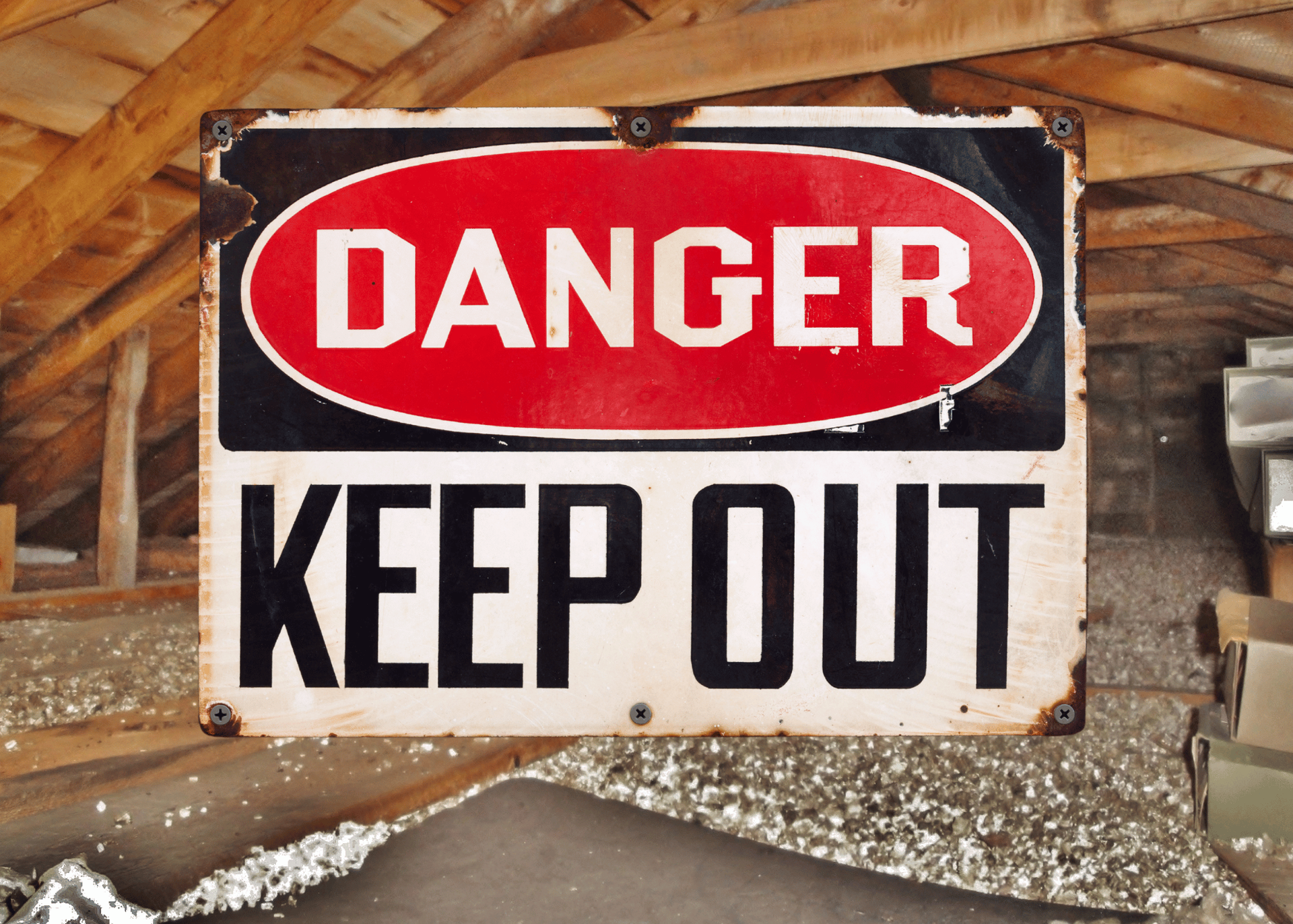
Attic with Asbestos  Contaminated Vermiculite

Think you have vermiculite insulation?

Don’t disturb it. Don’t sweep it. Don’t shop-vac it. (That’s how you turn a small problem into a whole-house situation.)


Request a vermiculite removal estimate in Spokane County and we’ll guide you through inspection, SRCAA notice requirements, safe containment, removal, compliant disposal, and next-step reinsulation.


We serve Spokane County, including: Spokane, Spokane Valley, Liberty Lake, Mead, Millwood, Airway Heights, Cheney, Medical Lake, Deer Park, and nearby communities.


FAQ

  • Should I do vermiculite testing Spokane before removal?

    As much as 85 percent of the heat lost in a house passes through the attic. In fact, the U.S. Department of Energy estimates that boosting attic insulation can lower heating costs by 10 to 50 percent (depending on the current level of insulation). Eliminating heat transfer to the attic not only keeps the heat in the house but it helps limit cold air from being drawn into the house from cracks and holes as the heat escapes through the ceiling.

  • Do I need attic asbestos inspection Spokane before selling?

    Loose fill is ideal for attics because it settles into all the little nooks and cavities, particularly with Cellulose which only becomes denser as it settles. Fiberglass batt is perfect for applications like floor insulation or wall insulation but when it comes to an attic where the insulation is directly exposed to the cold air in an attic we highly recommend blowing in an R-49 or R-60 with cellulose.

  • How much does vermiculite removal cost Spokane?

    Cost depends on attic size, depth, access, containment needs, disposal, and documentation. We provide site-based estimates—no gimmicks.

  • Can you remove Zonolite insulation?

    Yes—Zonolite insulation removal is a core service, using asbestos-safe containment, HEPA filtration, and compliant disposal.