First Frost Is Coming: The 20-Minute Attic Check Every Spokane Homeowner Should Do This Week
First frost is the region's real deadline
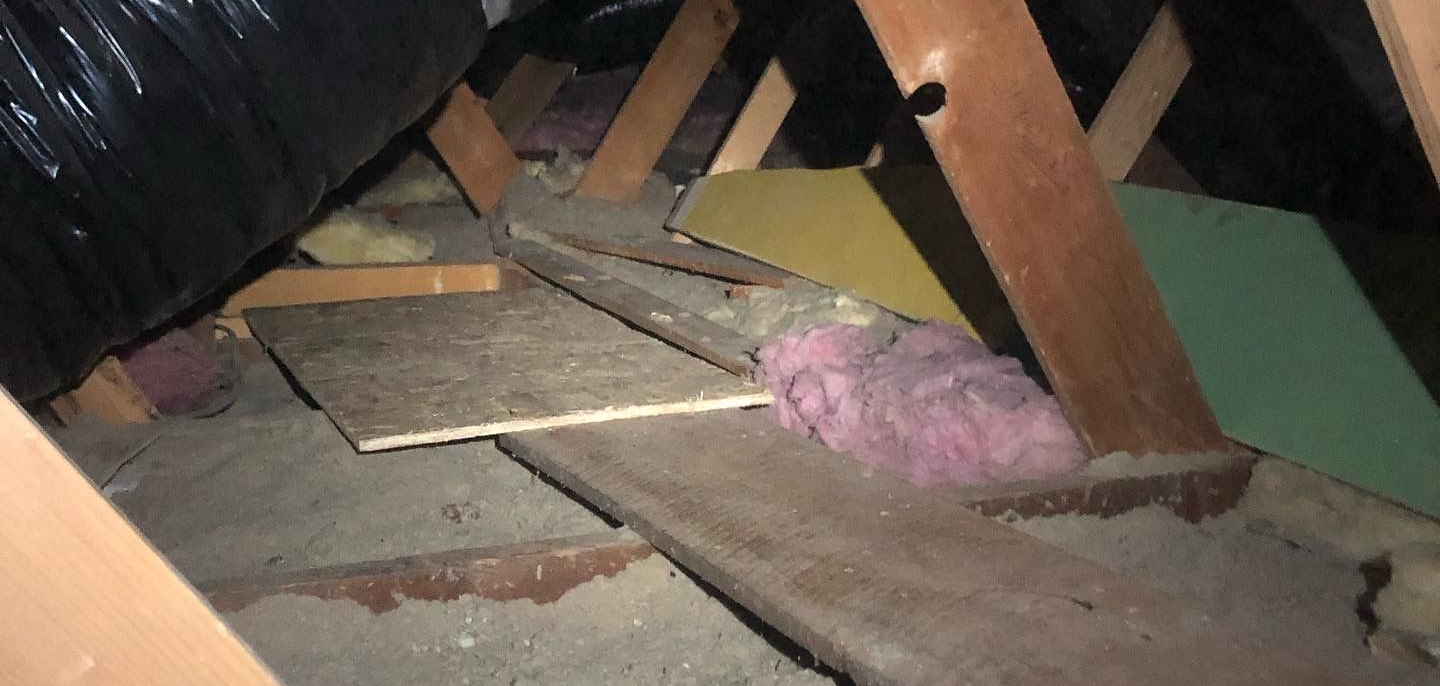
The equinox just passed, the fair is over, and if you've lived in Spokane long you know what's next: one clear, still night in late September or early October when the thermometer touches 32 and the growing season is done. First frost is the region's real deadline. Not for the tomatoes — those are already lost — but for the house.
Because here's the thing about your attic: every problem it has in February was visible in September. The ice dams, the heating bills, the musty smell in the upstairs bedroom, the frost on the nail tips — all of it gets decided before the first sustained cold, while the fixes are still easy to schedule. So before the heating season rush starts (and it always starts the first week the furnace runs), give your attic twenty minutes with a flashlight. Here's the checklist.
What you need
A bright flashlight, a tape measure, and something to stand on to get your head through the hatch. That's it. For most of this check you don't need to leave the hatch opening — in fact, if you don't know what's in your insulation, staying on the ladder is the safer play. Look, don't touch.
Minute 1–5: Insulation depth
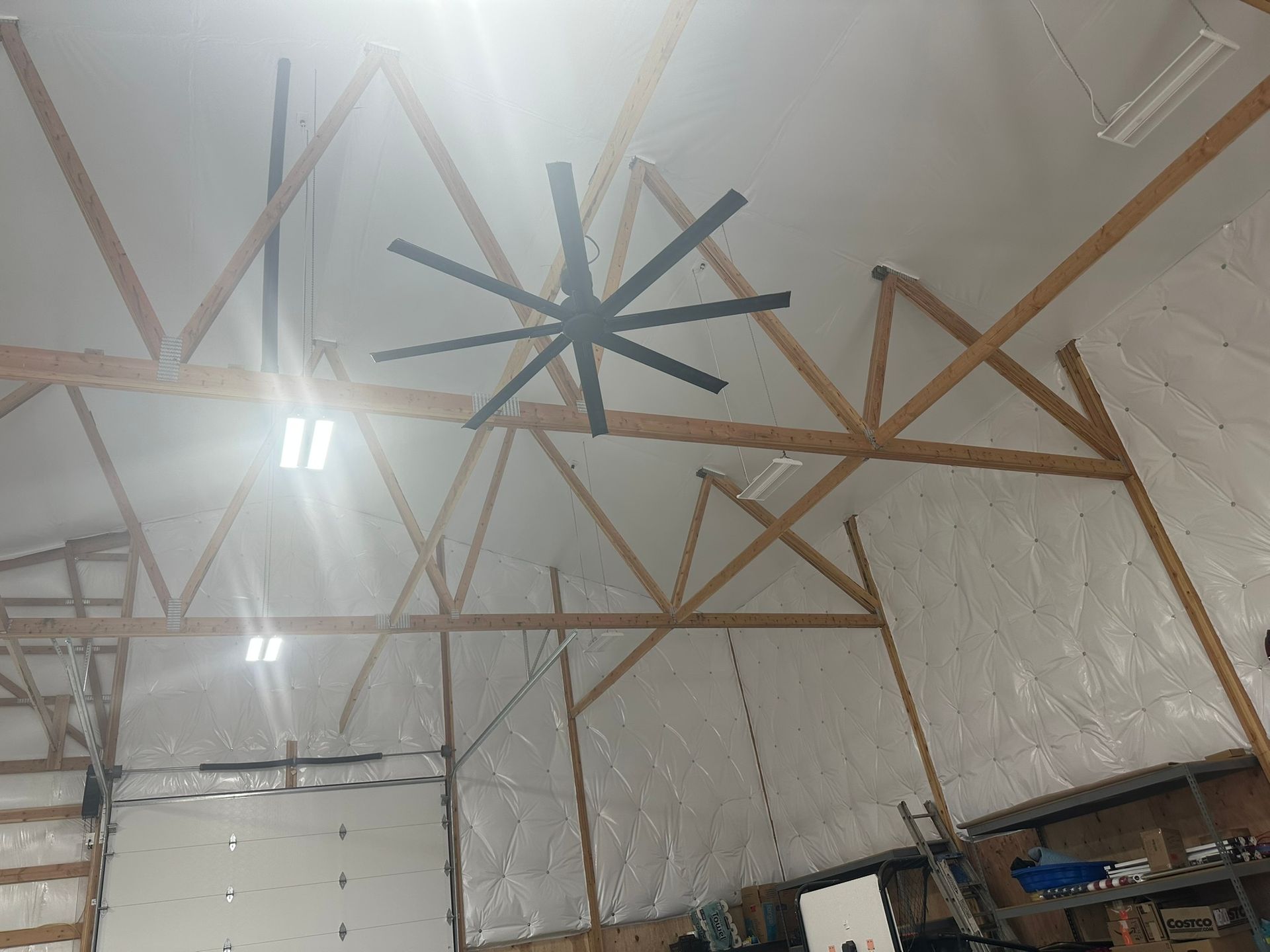
Point the flashlight across the attic floor and answer one question: can you see the tops of the ceiling joists sticking up through the insulation?
If yes, you're under-insulated, full stop. Joists are typically 2x6 to 2x10, so visible joists mean somewhere between R-19 and R-30 — half or less of the R-60 a Spokane attic wants. Now hold the tape measure against the insulation: 10 inches or less of blown-in means your January Avista bill is paying the difference every month.
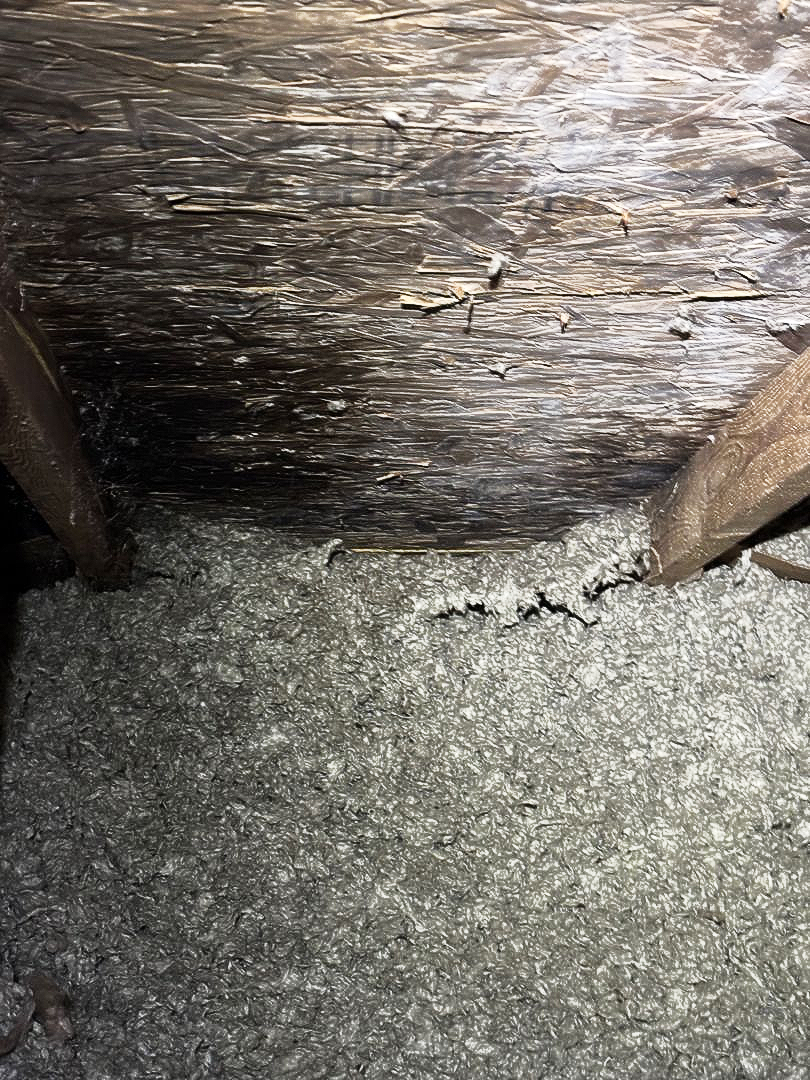
While you're looking, note the condition. Insulation that's matted, crusty, gray-filmed, or visibly dirty near the vents isn't just thin — it's been filtering air (and this summer, wildfire smoke) for decades. Depth can be topped off; contamination has to come out first. This is the difference between a top-off job and an attic insulation removal, and it's exactly what an inspection sorts out.
Minute 5–9: Where does the bath fan go?
Find the duct coming off your bathroom exhaust fan and follow it with the flashlight. It should run, connected and intact, to a roof or gable termination — outside. What you're hoping not to find: a duct that ends in the middle of the attic, points at a soffit, has pulled apart at a joint, or was never connected at all.
This one check matters more than any other on the list, because a bath fan dumping into the attic is the number one cause of the attic mold we remediate. Every shower all winter sends a cloud of warm, wet air into a below-freezing attic, where it condenses on the roof sheathing and grows mold by March. Twenty years of Spokane houses were built this way. If your duct dead-ends up there, rerouting it outside is a legitimate weekend fix — and doing it before the cold hits is the whole game.
Minute 9–12: The hatch itself
Climb down a step and look at what you're standing through. The attic hatch is a two-foot hole in your ceiling, and in most homes it's a bare piece of drywall with no weatherstripping and no insulation on top — a permanently open window to the coldest part of the house.
Check for weatherstripping around the frame and insulation attached to the hatch back. Neither? That's a $30 DIY fix at any hardware store, and it's the best insulation-dollar-per-hour ratio in the entire house. While you're there: black dust streaking around the hatch edges means air has been moving through the gap — carrying heat up and, on the return trip, attic air down.
Minute 12–16: Soffit vents and airflow
Shine the light along the eaves, where the roof meets the attic floor. You should see daylight or clear pathways at the soffit vents, ideally with baffles holding the insulation back. What you don't want: insulation stuffed tight into the eaves, blocking the vents.
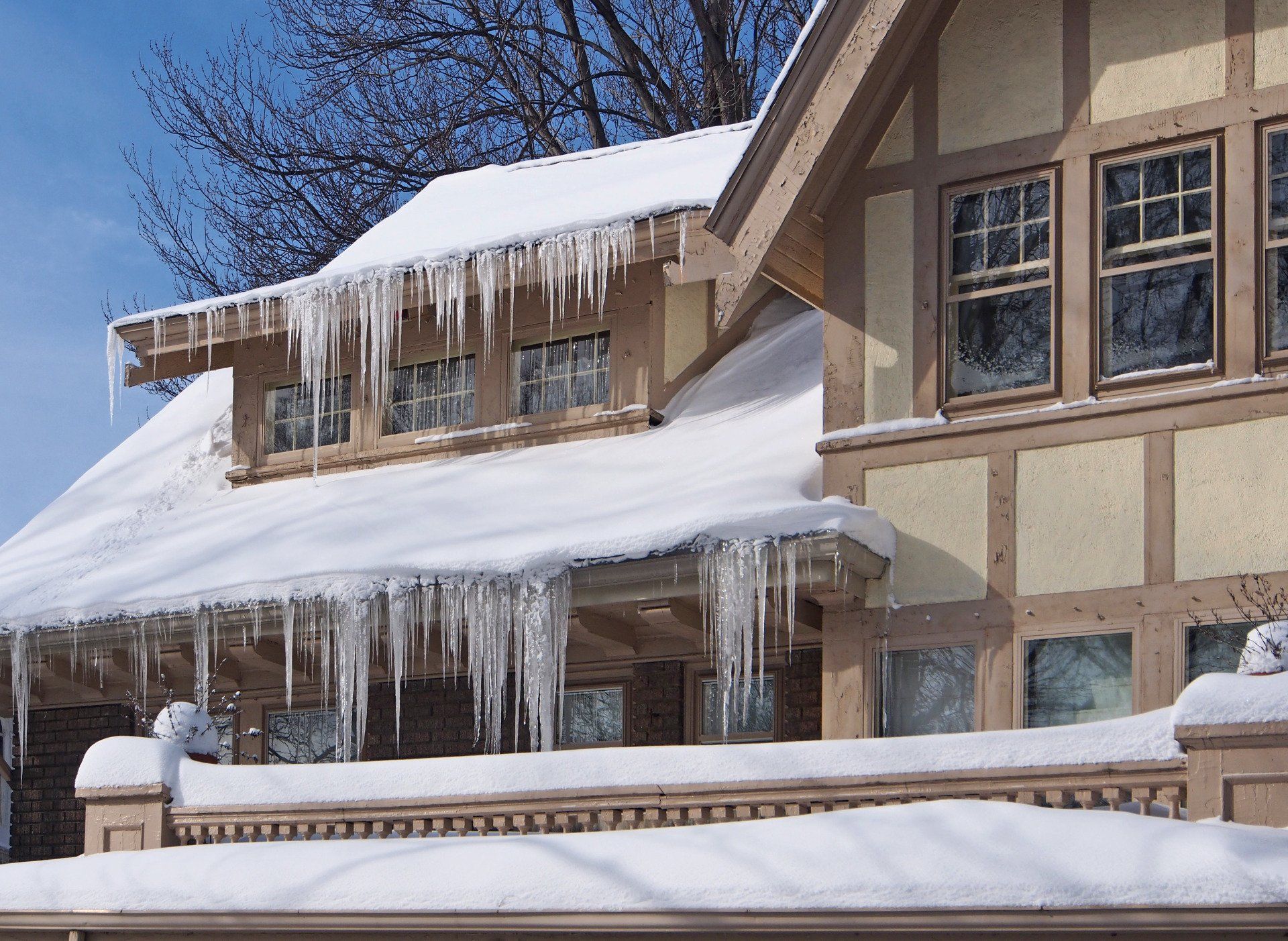
Blocked soffits matter double in a Spokane winter. First, the attic needs that airflow to stay cold and dry — a stuffy attic condenses moisture and grows mold. Second, this is your ice dam preview: an attic that can't breathe runs warm, melts the underside of the snow load, and refreezes it at the cold eaves. If you had icicles like fangs or ice ridges at the gutter line last winter, blocked soffits and thin insulation are almost certainly why — and October is the month to fix it, which is exactly what we'll cover in next week's post on ice dams.
Minute 16–20: Signs you have tenants
Last pass with the flashlight, looking for evidence: tunnels and trails through the insulation, droppings along the top plates, chewed or shredded paper, acorn caches, a smell that's more animal than dust. Fall is move-in season — the first cold nights send mice, squirrels, and everything displaced by 10,000 burned acres looking for a warm attic, and yours is the warmest thing on the block.
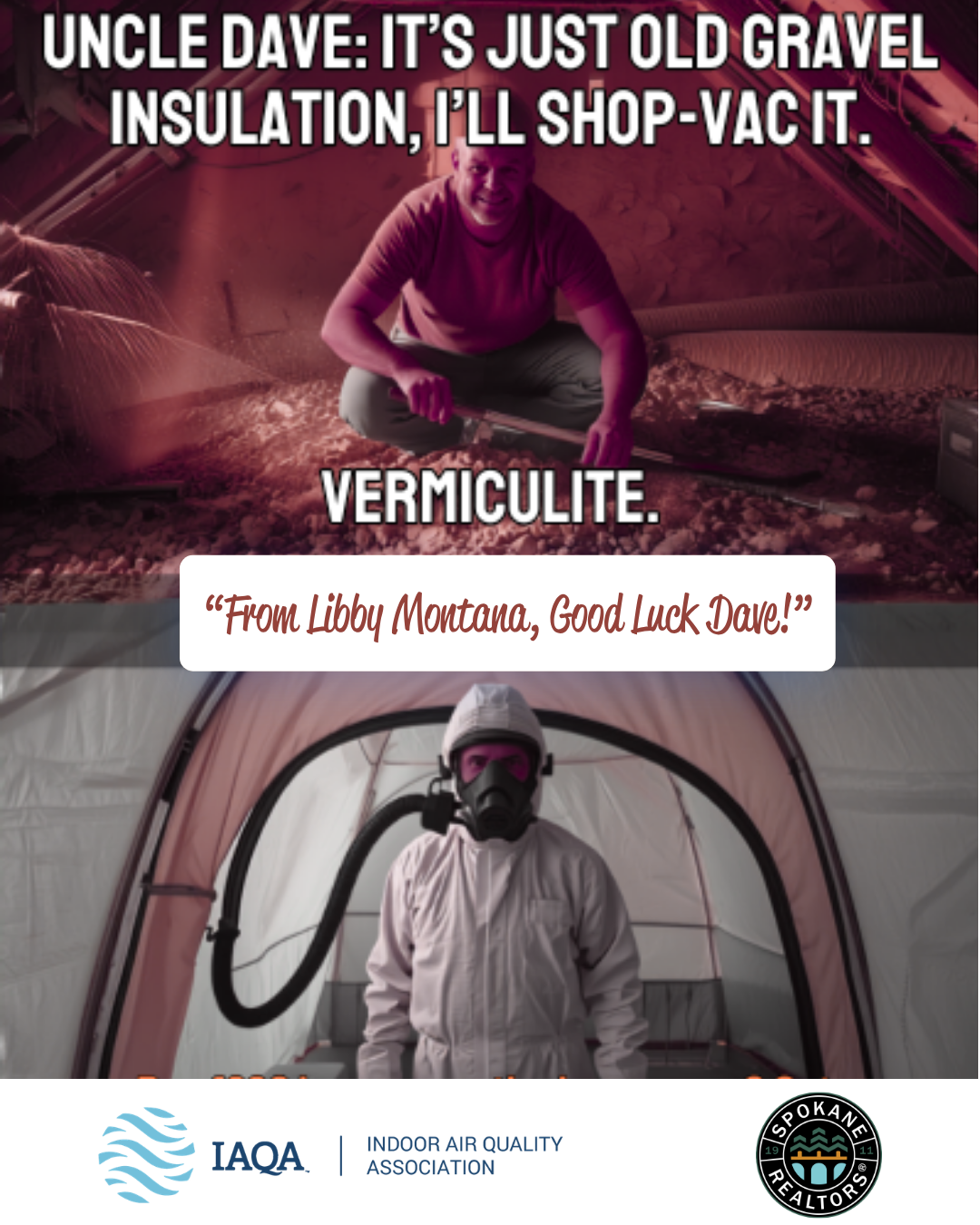
Droppings are where the DIY stops: hantavirus in Eastern Washington is rare but real, and it comes from disturbing dry droppings. Don't sweep, don't shop-vac. Note what you saw, close the hatch, and have it handled with proper protection — removal, sanitizing, and sealing the entry points before the winter residents settle in.
Scoring your twenty minutes
All five checks clean? Close the hatch and enjoy the winter; you're ahead of 90% of the county.
One or two findings — shallow-but-clean insulation, a bare hatch, a fixable duct? You've got two or three good-weather weekends left. Get them done before the furnace runs daily.
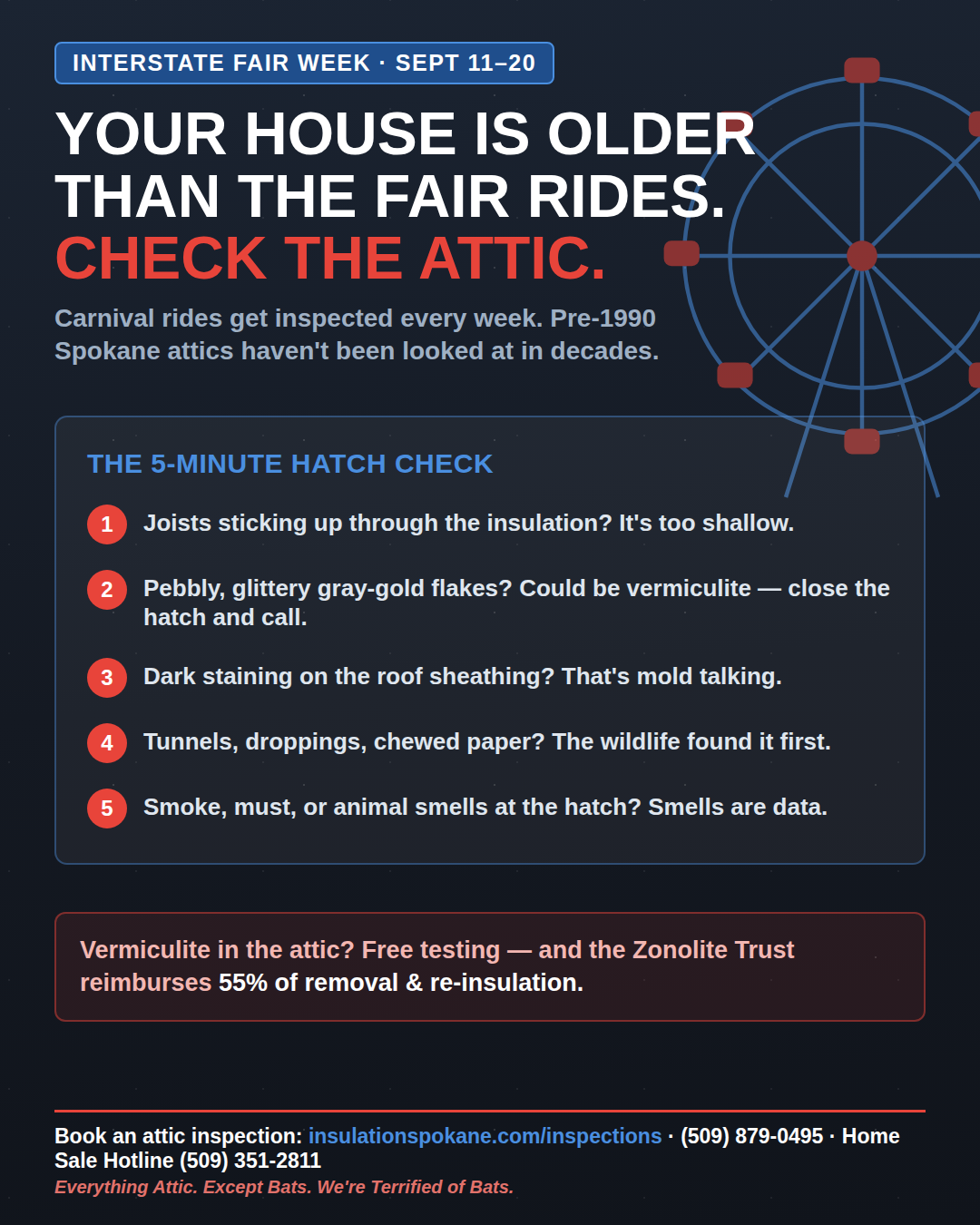
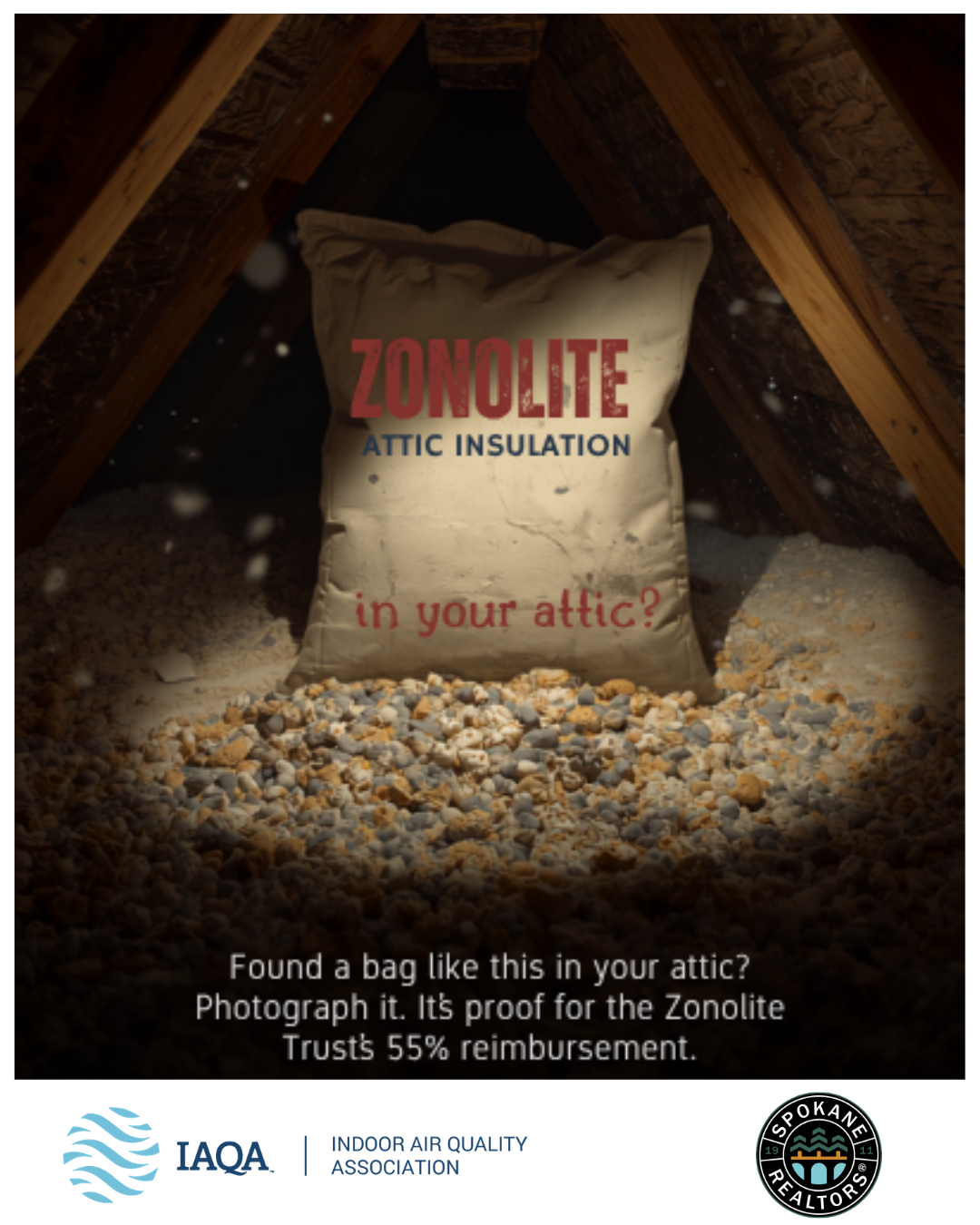
Contamination, mold staining, blocked-and-thin everything, critter evidence, or that pebbly gray-gold vermiculite look? Stop there and get a professional set of eyes on it. An attic inspection takes about an hour, covers everything on this list plus moisture readings and the stuff you can't see from the hatch, and comes with photos and a written report. Book it now, in the calm before the rush — the first cold snap fills every contractor's calendar in the county within a week, every year, like clockwork.
Book at insulationspokane.com/inspections or call (509) 879-0495. Selling this fall? Same-day inspections through the Home Sale Hotline, (509) 351-2811.
Serving Spokane, Spokane Valley, Liberty Lake, Cheney, Airway Heights, Medical Lake, Mead, Colbert, Deer Park, Nine Mile Falls, Post Falls, and Coeur d'Alene.
Everything Attic. Except Bats. We're Terrified of Bats.
(If your minute 16–20 findings have wings, we'll get you a referral.)
Follow us