Can You Put New Insulation Over Old? 9 Questions Spokane Homeowners Ask About Insulation Removal
When does old insulation have to come out?
These are the questions people type into Google before they call us. We've answered them the way we answer them in your driveway: directly, with the exceptions spelled out.
1. Can you put new insulation over old insulation?
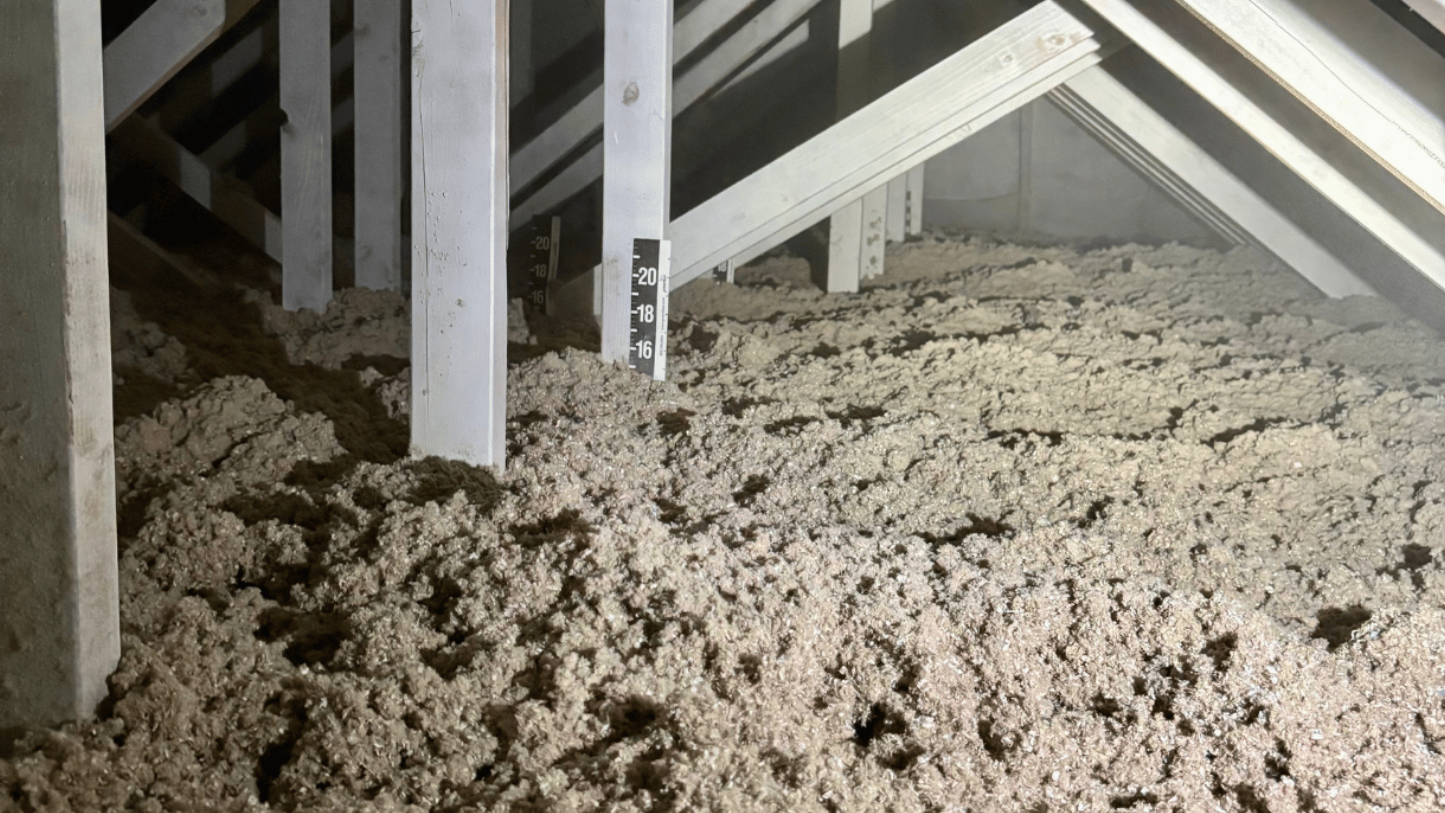
Sometimes, and the honest answer depends on what the old stuff is hiding. If the existing insulation is dry, clean, odor-free, and not compressed flat, topping it off with blown cellulose is a legitimate upgrade and the cheapest path to R-60. We do it regularly.
But "looks fine from the hatch" is not the same as fine. Before we top off any attic we walk the whole thing with a flashlight and check the sheathing, the bath fan terminations, and the insulation depth in the corners. About four in ten attics we're asked to top off have a reason underneath not to.
2. When does old insulation have to come out?
Five conditions, and any one of them is enough:
- Mold. Dark staining on the sheathing or a musty smell means the insulation has been holding moisture. New insulation on top traps it. How attic mold remediation works →
- Rodent contamination. Droppings, urine staining, tunnels, nests. Rodent-soiled insulation can carry hantavirus and the smell attracts the next generation of mice. What the droppings mean →
- Smoke or fire damage. Insulation is a sponge for smoke particulate. If your attic smells like last summer's wildfire season, the smell is in the fibers and won't blow away. Smoke-contaminated insulation →
- Vermiculite. The gray-gold pebbly stuff. Most of it in Spokane and CDA homes came from the Libby, Montana mine and contains asbestos. Nothing goes on top of it, ever, until it's tested and professionally abated. Asbestos and vermiculite removal →
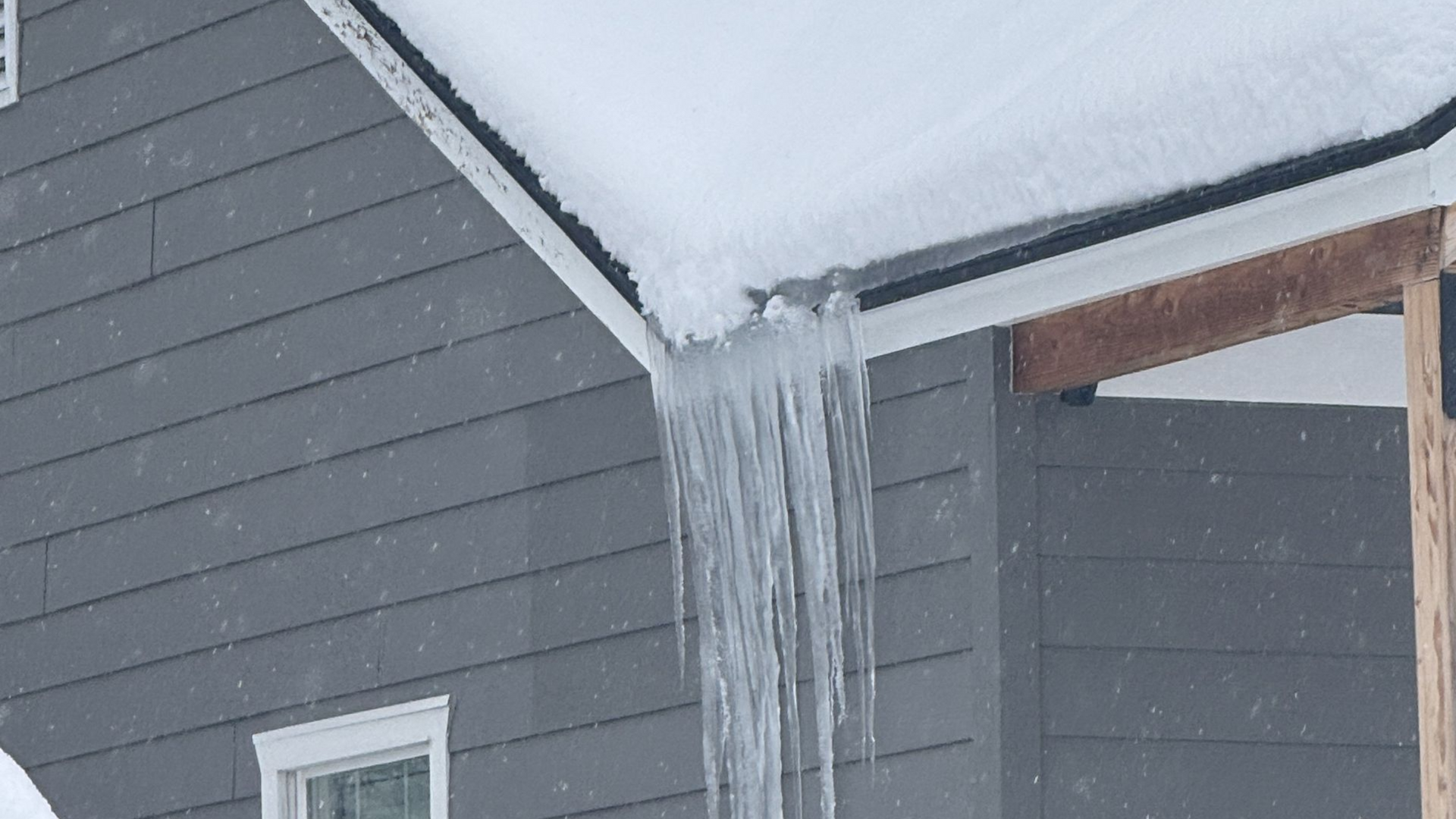
- Water damage. From a roof leak, an ice dam, or years of attic condensation. Wet fiberglass loses most of its R-value and never fully dries in a Spokane attic.
A sixth, softer reason: you want the attic air sealed. The leaks that waste heat and feed ice dams are at the ceiling plane, under the insulation. You can't seal what you can't reach.
3. Can you add insulation over mouse droppings if you treat them first?
No. Spraying disinfectant on the surface of contaminated insulation treats the top inch of a 10-inch problem. Urine has soaked down through it, and the droppings you can see are a fraction of what's in the fibers. Remove, treat the attic framing and deck, seal the entry points, re-insulate. There is no shortcut that doesn't leave the smell.
4. How much does attic insulation removal cost in Spokane?
It depends on square footage, depth, access, and what we find. We publish our full pricing logic in the insulation removal cost guide. Two things to know up front: we inspect before we quote, so the number you get is the number you pay, and contamination (mold, rodents, smoke, asbestos) is priced as its own line, not sprung on you mid-job.
5. How long does insulation removal take?
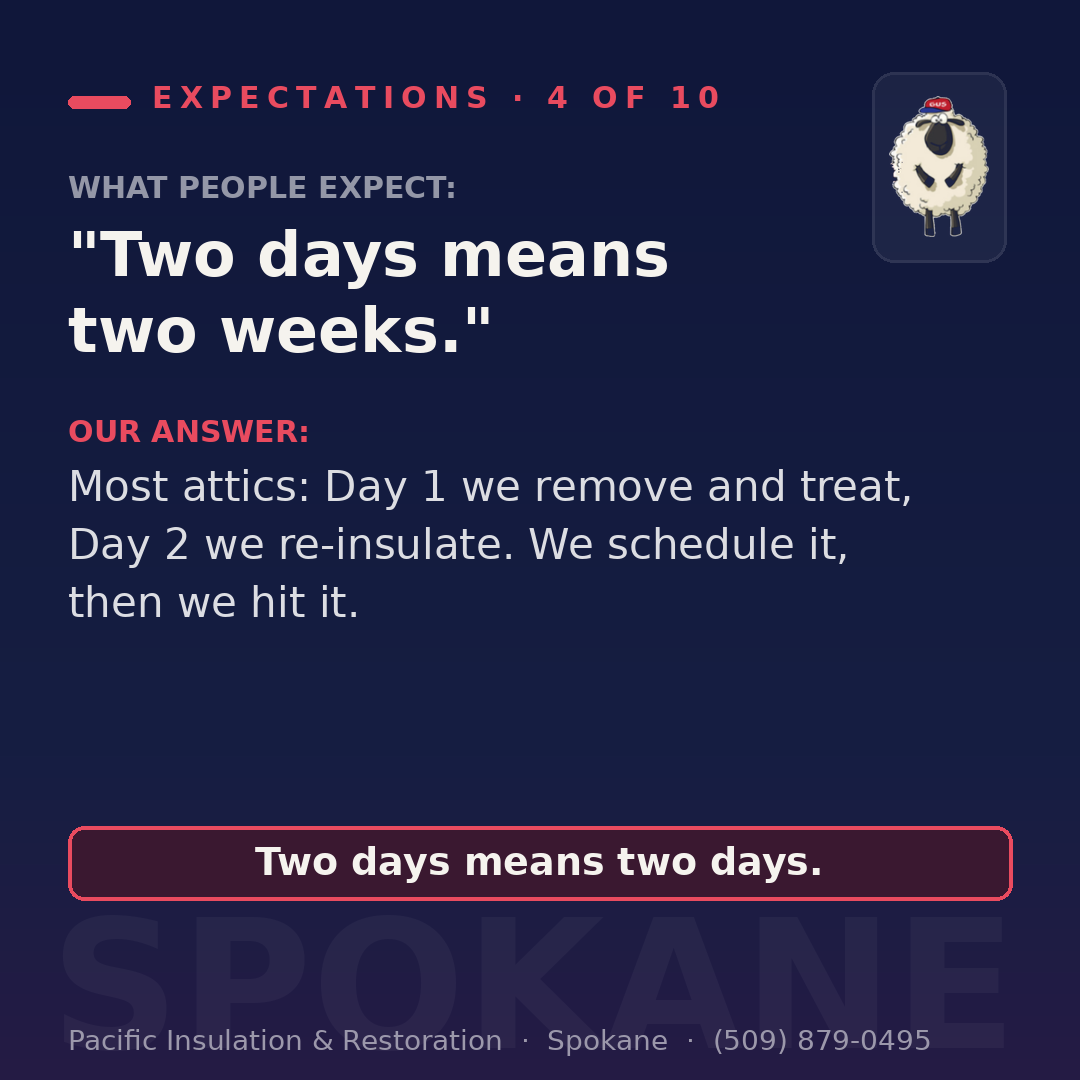
A straightforward attic removal is one day. Removal plus mold remediation and re-insulation is two days: Day 1 is containment, removal, antimicrobial treatment, air sealing, and fixing the moisture source; Day 2 starts at 7:00am and is re-insulation with Clean Fiber cellulose. Asbestos abatement adds containment setup and clearance testing and is scheduled separately.
6. Can I remove attic insulation myself?
You can bag up clean fiberglass batts yourself if you have the time and don't mind the itch. We don't recommend DIY for blown-in (it's a dust storm without a 23-horsepower vacuum), and we flatly recommend against it for anything contaminated. Mold spores, rodent waste, and smoke particulate all go airborne when disturbed, and the attic is the one place in the house with no exhaust. Vermiculite is illegal to disturb without licensed abatement.
7. What's actually under my insulation?
This is the question nobody googles and everybody should. Under the insulation is the ceiling plane: the drywall, the top plates, the can lights, the fan ducts, the plumbing stacks. Every heating-season problem a house has — frost, ice dams, cold rooms, a bill that jumped $90 in November — starts there. Removal is the only time anyone ever sees it.
8. Is it worth removing insulation if I'm remodeling?
If your remodel opens any ceiling or exterior wall, yes, and do it before the drywall crew arrives. Spokane County's 2026 energy code raised the bar on attic and wall R-values, and the inspector will want to see sealed penetrations. We work ahead of general contractors all winter. Why removal comes first in a remodel →
9. What should go back in after removal?
Air sealing first, then blown Clean Fiber cellulose to R-60 (R-49 is code minimum for Spokane County). Cellulose is denser than fiberglass, so it blocks air movement and rodents dislike nesting in it. For the full dollars-and-cents comparison, see R-19 vs R-49 vs R-60: what attic insulation is worth in Spokane.
The one question to ask any contractor
"Will you look at the whole attic before you quote me?" If the answer is a number over the phone, keep calling. Ours is a same-day inspection, booked at insulationspokane.com/inspections or (509) 351-2811.
Everything Attic. Except Bats. We're Terrified of Bats.
More Information:
What does insulation removal cost?
What is the process for attic mold removal?
Why do I need to remove insulation if I've had rodent problems?
Follow us