Attic Mold Remediation, Step by Step: What Actually Happens on Job Day
Attic Mold Remediation Step by Step: Job Day Walkthrough

Most homeowners who book an attic mold remediation have never seen one done. They know there's mold up there, they know it has to go, and they know a crew is showing up Tuesday morning. What happens between the truck pulling up and the crew leaving the next day is a mystery, and mystery is where worry lives.
So here's the whole day, start to finish, the way we actually run it in Spokane attics. No trade secrets, no hand-waving. If another contractor's process looks meaningfully different from this, that's worth asking them about.
Before job day: the inspection already happened
By the time we schedule remediation, we've been in your attic once. The inspection found the mold, mapped how far it's spread, measured moisture in the framing, and, most importantly, identified the cause: a bathroom fan dumping into the attic, blocked soffit vents, ice damming, or a roof leak. Mold is a symptom. If the moisture source doesn't get fixed on job day, the mold comes back, so the fix is built into the work order before we arrive.
You'll also know from the estimate which kind of job this is. If the mold is only on the wood, the insulation may stay. If the insulation is contaminated, it's coming out, and that's the version this post walks through, because it's the most common one.
7:00 AM: Setup and containment
The crew arrives and the attic gets treated for what it is: a contamination zone. We're not carrying moldy insulation through your hallway in garbage bags.
Plastic sheeting goes up to protect the access area. The path from the attic hatch to the door is covered. The crew suits up: coveralls, gloves, and respirators. For attics, we run supplied-air respirators off a Bullard Free-Air pump, which feeds clean air from outside the contamination zone instead of relying on cartridge filters in a 120° attic.
The insulation removal vacuum gets staged: a commercial machine that stays outside at the truck, with a large-diameter hose run up into the attic. Everything the vacuum pulls goes straight from the attic to a sealed collection system outside your house. That one piece of equipment is why the day works: nothing contaminated ever crosses your living space.
8:00 AM: The insulation comes out
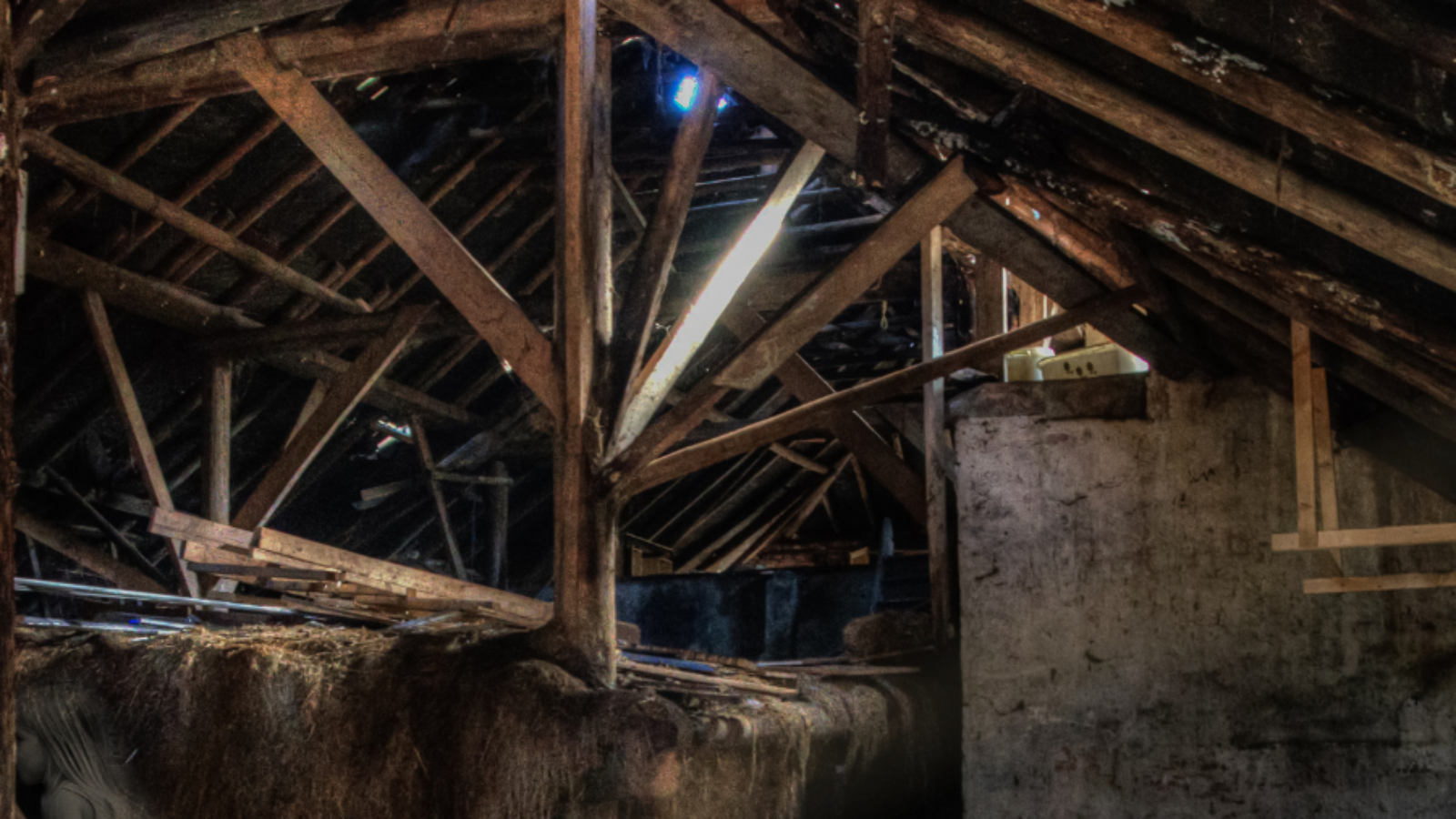
One or two crew members work the attic, vacuuming the blown-in insulation off the floor cavity by cavity. Mold-contaminated cellulose or fiberglass can't be cleaned; the spores are through the material, so every cubic foot of it leaves. As the insulation comes out, the attic tells the rest of its story: staining on the drywall backside, the true extent of growth at the eaves, any rodent activity that was hiding under the blanket, and, in pre-1990 homes, occasionally a layer of vermiculite that changes the plan (that's an asbestos job, and it's why we check for it at the inspection, not on job day).
By late morning the attic is down to bare framing and bare drywall. This is the moment most homeowners look up through the hatch and say they've never actually seen their attic before.
12:00 PM: Antimicrobial treatment
Every affected surface gets treated with a hospital-grade, EPA-registered antimicrobial. We use a high pressure sprayer to ensure that the treatment peentrates theh surface of the sheeting and reaches the root structure of all organic material. For the spots no hand can reach, behind bracing, deep in the eave bays, up in the ridge, we use fogging equipment so the treatment reaches everywhere the spores did. The goal is simple: neutralize what's there and leave nothing viable behind.
1:00 PM: Fixing the reason it happened
While the treatment does its work, the cause gets corrected. This is the step that separates remediation from redecorating:
- The bathroom or kitchen fan that vented into the attic gets ducted outside, where it should have gone in the first place.
- Blocked soffit vents get cleared and baffled so air can actually move from eave to ridge.
- Air leaks in the ceiling, can lights, top plates, plumbing chases, the hatch, get sealed, so warm moist house air stops feeding the attic all winter.
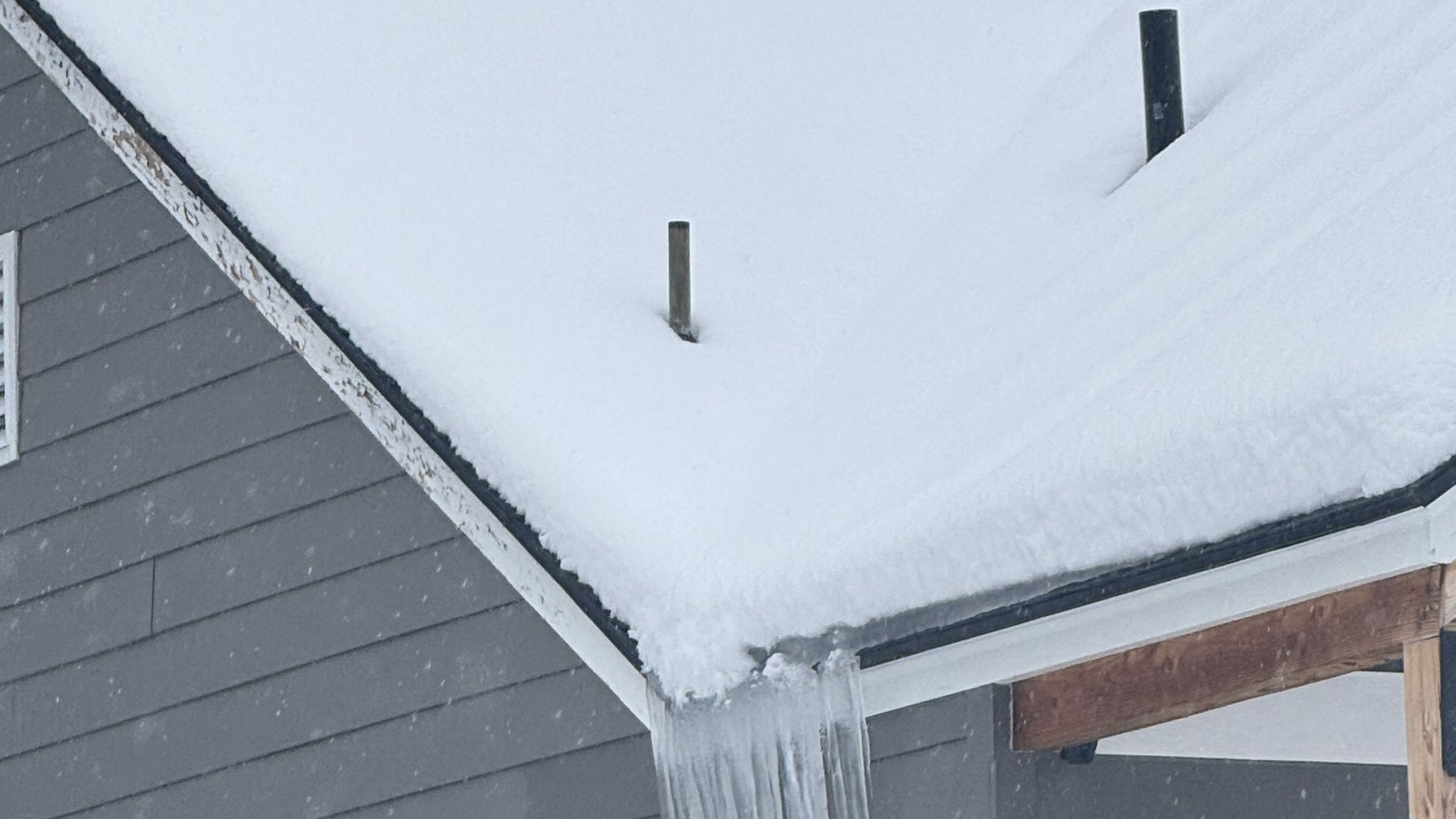
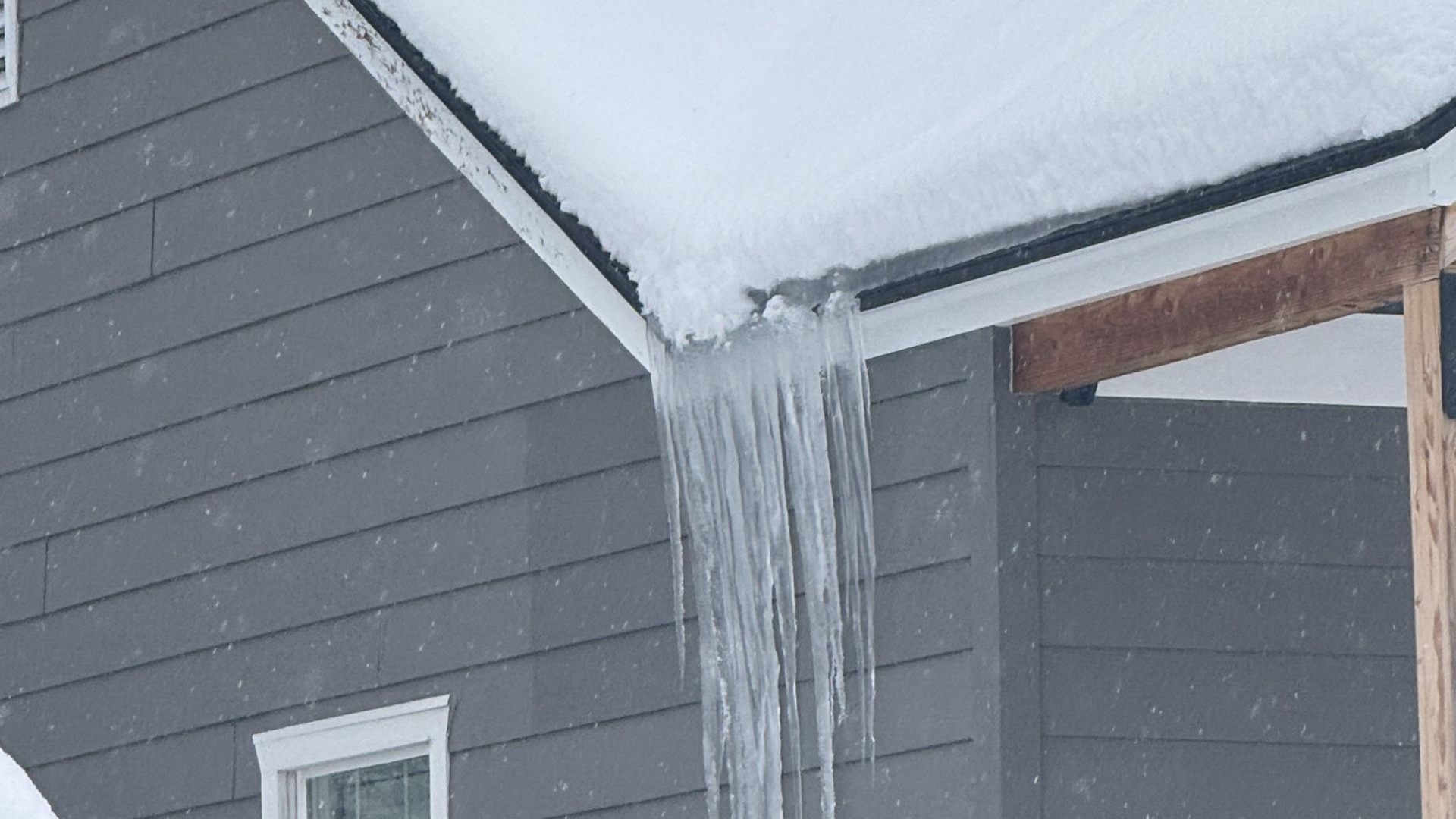
Spokane attics grow mold because cold roof decks meet warm wet indoor air from November to March. Change the airflow and the moisture, and you've changed the attic's future.
2:00 PM: Encapsulation
The cleaned, treated sheathing and framing get an encapsulating sealant, a coating that locks down any residual staining, seals the wood surface, and leaves a mold-resistant barrier behind. It also makes the attic look dramatically better, which matters more than you'd think when a home inspector shines a flashlight up there during your next sale.
Day 2
7:00 AM: Fresh insulation goes in
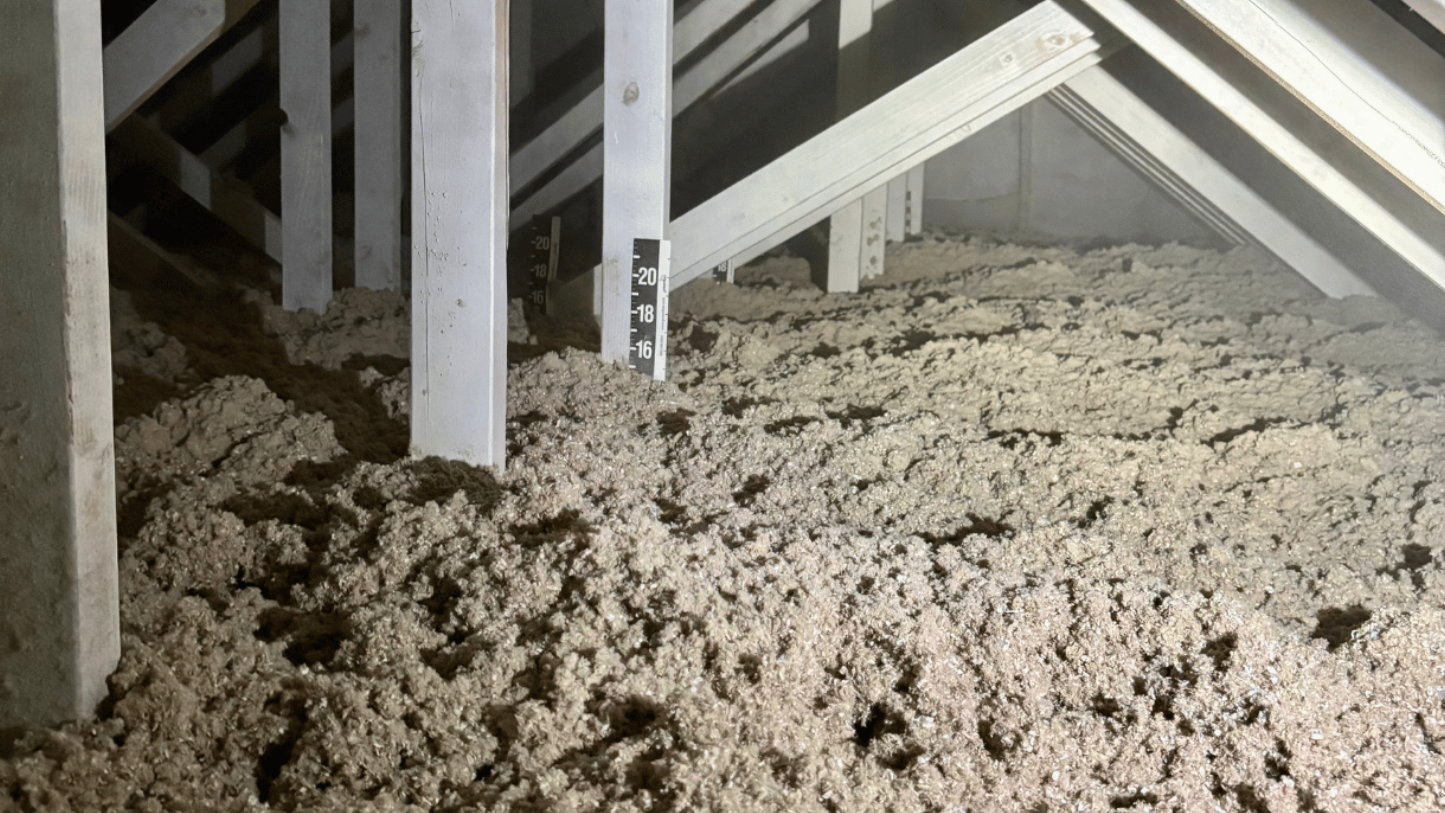
The rebuild. We blow in Clean Fiber cellulose, made from recycled paper and treated with borates, which makes it naturally resistant to mold, rodents, and fire, to R-49 or R-60. The attic ends the day cleaner, tighter, better ventilated, and better insulated than it was before the mold ever showed up. Your heating bill notices before you do.
12:00 PM: Walkthrough and wrap-up
Containment comes down, the access area gets HEPA-vacuumed, and we walk you through photos of the finished attic, before and after. You get documentation of the work: what was removed, what was treated, what was corrected, and the new insulation spec. If the job is part of an insurance claim or a real estate transaction, that paperwork is written so an adjuster or a buyer's inspector can follow it.
Then the truck leaves, and your hallway looks exactly like it did at 7:29 AM.
Common questions about job day
Do we have to leave the house? Usually no. Containment keeps the work zone sealed, and the vacuum carries everything outside. Sensitive individuals sometimes choose to be out for the day; most families just go about their business.
Is it really two days? Most attics, yes. Very large attics, heavy contamination, or added scopes (vermiculite abatement, major duct rework) can add additional time, and you'll know that from the estimate, not as a surprise.
What does it cost? It depends on attic size, contamination extent, and what the moisture fix involves, which is why the inspection comes first. Financing is available, and attic insulation upgrades often qualify for utility rebates through Avista, Inland Power, Modern Electric, and Vera Water & Power that can cover a meaningful share of the re-insulation. Ask when you book.
Will the mold come back? Not if the cause is fixed, and fixing the cause is built into the job. That's the whole point of steps five and six.
Book the inspection first
Every job day starts with an inspection day. If you've got staining on the sheathing, a musty smell upstairs, or an inspection report with the word "mold" in it, start there: insulationspokane.com/inspections or (509) 879-0495. Selling or buying? Same-day inspections through the Home Sale Hotline, (509) 351-2811.
We serve Spokane, Spokane Valley, Liberty Lake, Cheney, Airway Heights, Medical Lake, Mead, Colbert, Deer Park, Nine Mile Falls, and across the state line into Post Falls, Coeur d'Alene, and Hayden.
Everything Attic. Except Bats. We're Terrified of Bats.
Follow us