Spokane's Housing Crunch After the Fires: What to Fix Before You List
Selling a Spokane Home After the Wildfires? Fix These Before You List
Three weeks ago Spokane County had about 2,900 active listings, a median list price just under $500,000, and 41% of sellers cutting their price. A slow, buyer-friendly market by recent standards.
Then the Old Trails, Autumn Lane, and Fairview fires took out more than 850 structures in a weekend. The Spokane Association of Realtors expects sales to spike and inventory to deplete fast. The Home Builders Association is saying out loud that it's going to put upward pressure on prices and rents. Hundreds of families need somewhere to live now, and the rebuild is a three-to-five-year project if the 2023 Gray and Oregon Road fires are any guide.
If you've been thinking about selling, or you own a rental, the next six months are your window. But it's not a free-for-all. Agents are already reporting that insurance binders are getting pulled and properties near the burn areas are facing extra scrutiny on appraisals and inspections. Buyers have options on where to spend their insurance payout, and a house that fails its inspection or can't get bound for coverage loses to the one next door that can.
Here's what to fix before you list, starting with the part of the house that's failing inspections most often right now.
1. Get the attic inspected before the buyer's inspector does
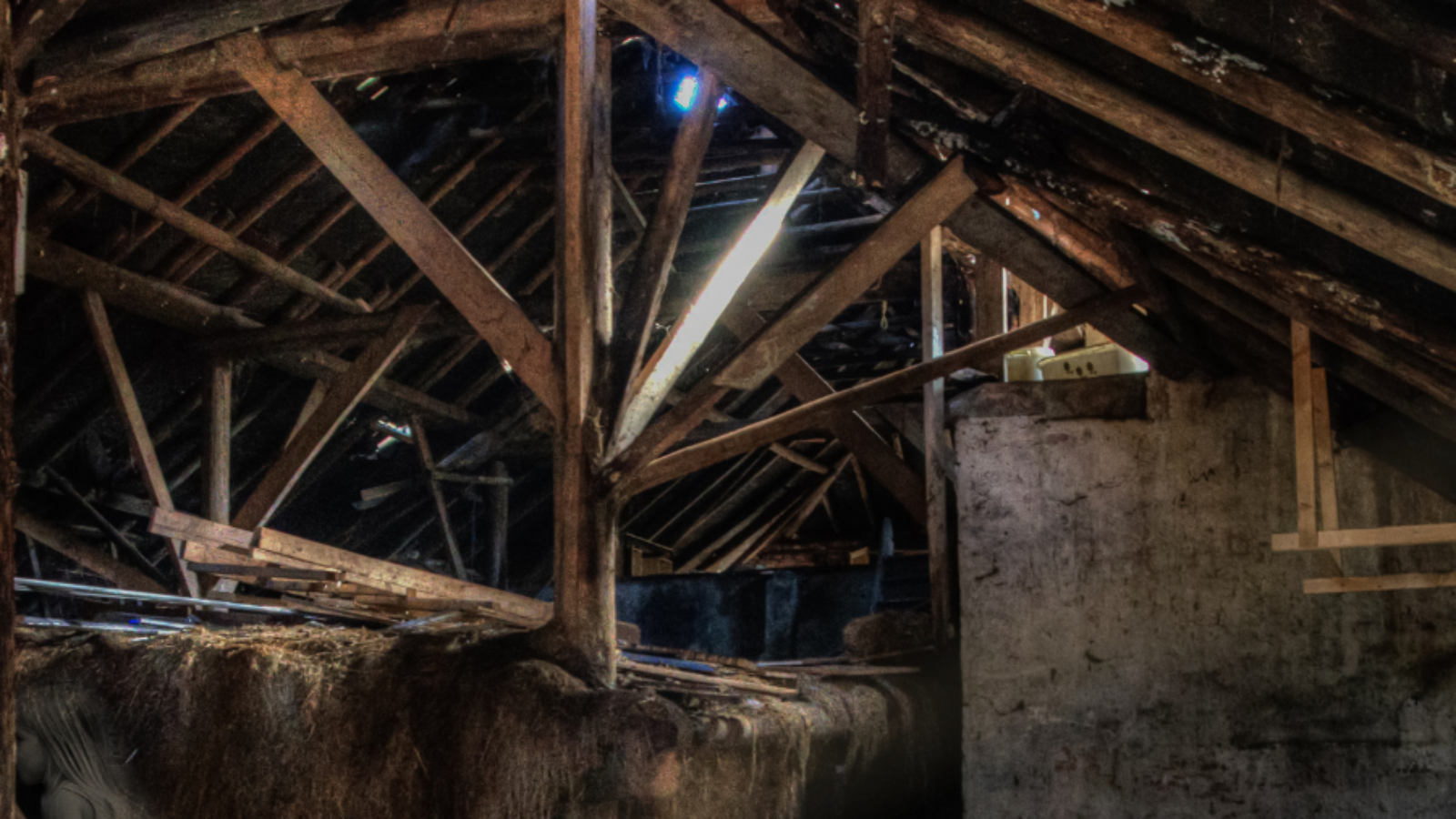
Every inspection report in Spokane County includes the attic, and in the last three weeks the findings have changed. Inspectors are photographing ash film on insulation, noting smoke odor at the hatch, and flagging vermiculite in pre-1990 homes they used to walk past. Each of those becomes a repair request, a credit, or a walk.
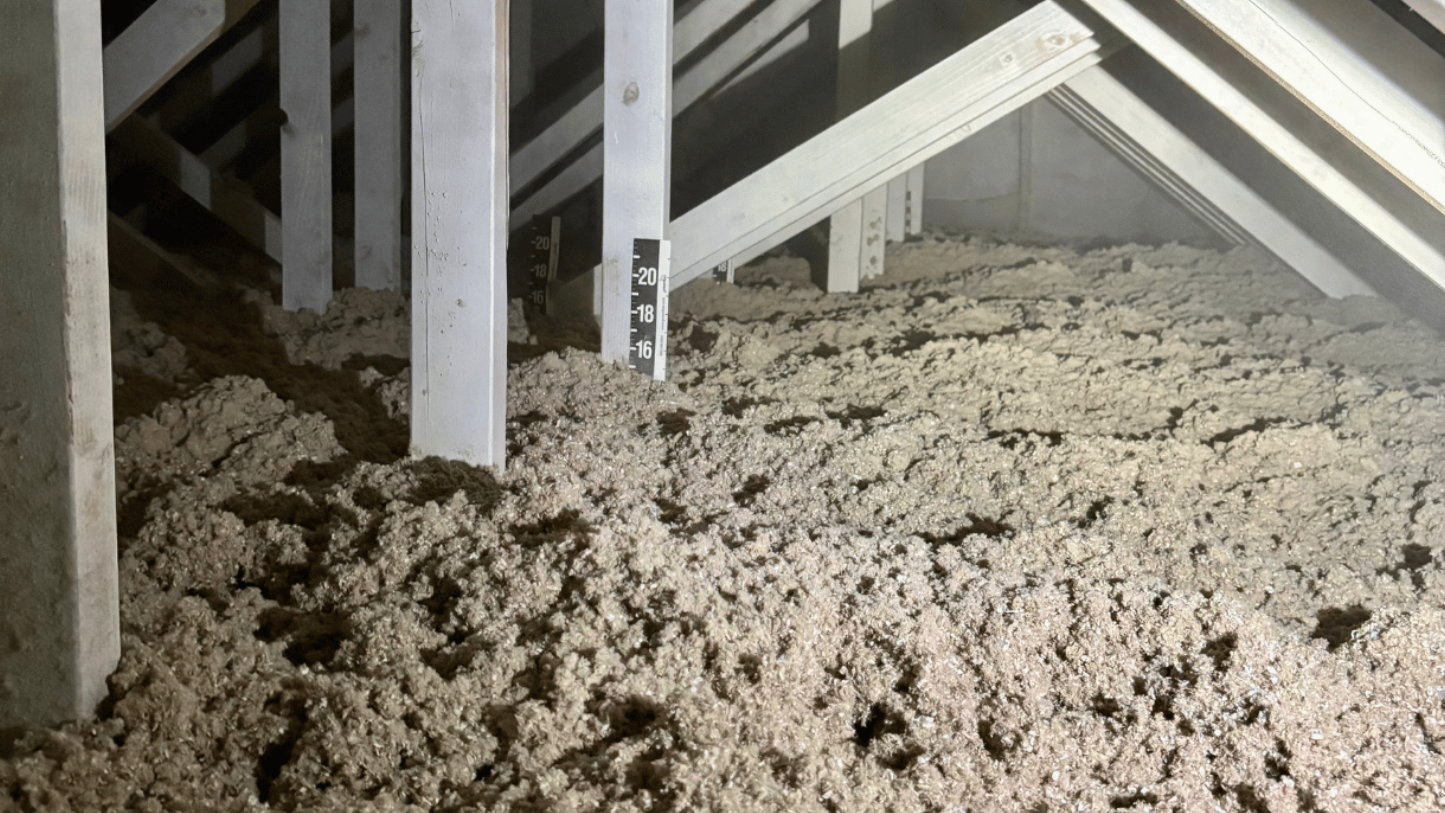
A pre-listing attic inspection costs a few hundred dollars, takes an hour, and tells you exactly what's up there: insulation type and depth, smoke or ash contamination, mold on the sheathing, rodent activity, bath fans venting into the attic, and whether that gray pebbly stuff is vermiculite. You fix what needs fixing on your timeline and your contractor's price, not during a 10-day inspection contingency with a buyer's number.
2. Smoke-damaged insulation: remove it, don't mask it
If your home is anywhere from Airway Heights to Mead to Nine Mile Falls, your attic pulled wildfire smoke through the vents for days. Blown-in cellulose and fiberglass hold soot, ash, and odor, and afternoon heat bakes it back out through can lights and fans. Buyers walk in at 4 pm and smell it. Inspectors note it.
Ozone and fogging treat the rooms, not the insulation. The fix that passes inspection is smoke damaged insulation removal: vacuum it out to the truck, HEPA clean the framing, seal the odor, re-insulate to R-49 or R-60. One day for most attics. It's often an insurance-covered loss, so file the claim before you list and let the payout fund the work.
3. Vermiculite: test it, disclose it, or remove it
Homes built before 1990 across the South Hill, Hillyard, Millwood, Medical Lake, Cheney, Deer Park, and the older parts of Spokane Valley frequently have vermiculite insulation, most of it asbestos-contaminated Zonolite. It was never a big deal on inspections. It is now, because every conversation about these fires includes asbestos and every buyer has read about it.
Three options, in order of how well they sell: remove it under full abatement protocol and re-insulate (the Zonolite Trust reimburses 55% of the cost); encapsulate and disclose; or disclose as-is and expect a credit request. Don't let anyone disturb it during cleanup, and don't leave it off the disclosure form.
4. Attic mold: the finding that kills deals
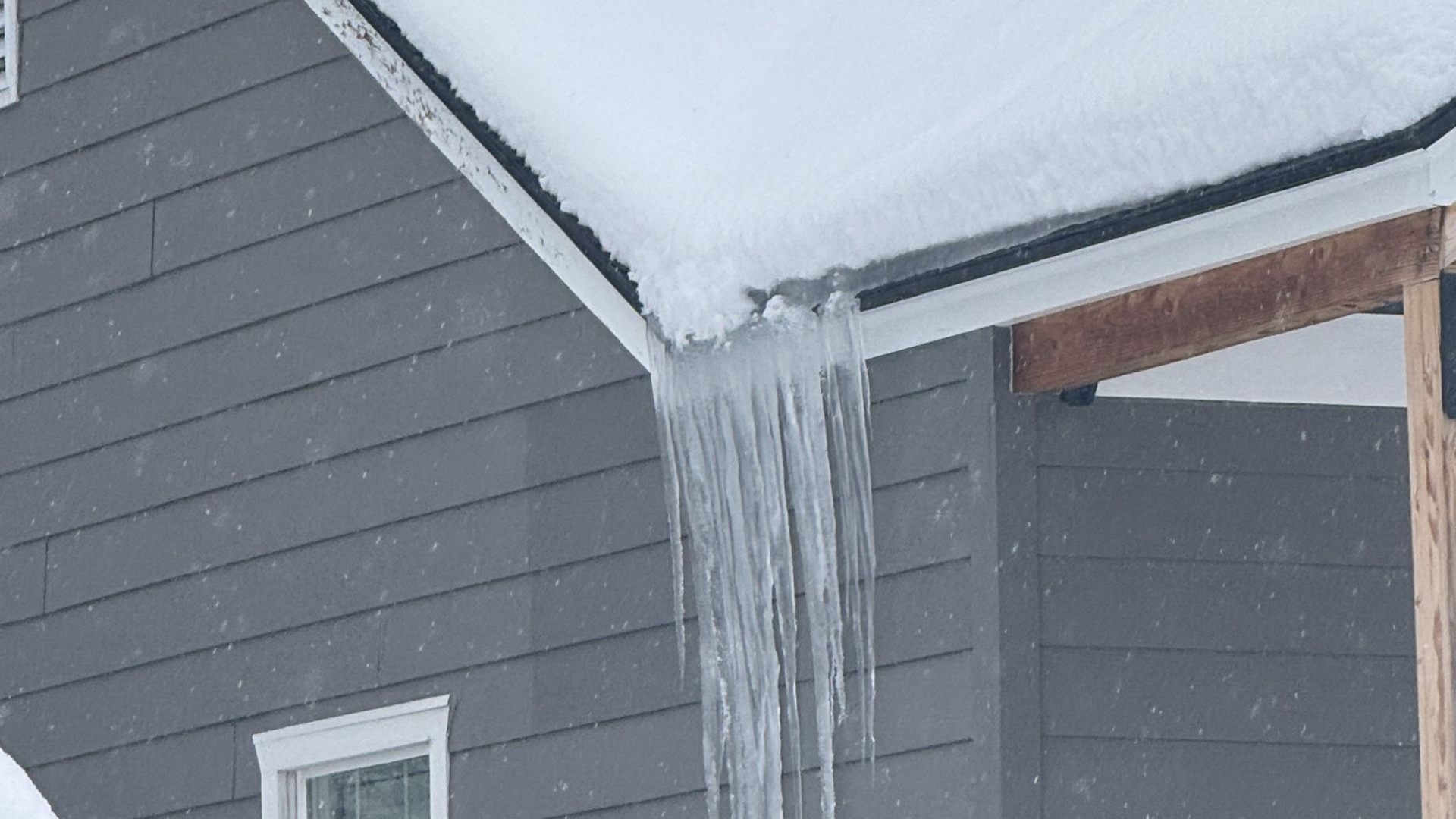
Spokane winters push warm, wet air into freezing attics. Bath fans venting into the attic, blocked soffits, and ice dams grow mold on the sheathing, and it spreads into the insulation. It's one of the most common inspection findings in the county, and it's the one buyers negotiate hardest on, because the word "mold" does the work for them.
A small treatment on the wood is a one-day job. Mold in the insulation means removal and replacement, also usually one day. Either way it's cheaper in September on your terms than in November as a concession.
5. Rodents: the burn scar is sending them your way
Ten thousand acres of habitat just burned. Mice, squirrels, and raccoons displaced from the Old Trails and Autumn Lane areas are looking for attics in Indian Trail, Five Mile, Suncrest, Colbert, and the Wandermere area. Droppings and nesting in the insulation are an inspection finding and a health note (hantavirus). Seal the entry points, remove and replace contaminated insulation, and the report reads clean.
6. Ventilation and air sealing: the upgrades that show up on the appraisal
Insurers and appraisers near the burn areas are looking harder at fire resilience and condition. Ember-resistant soffit and gable vents, a bathroom fan that actually vents outside, sealed can lights and top plates, and R-60 insulation are all line items an appraiser can see and an insurer can underwrite. They also lower the heating bill a buyer will ask about in October.
7. Insulation depth: the easy win
Thirty-year-old insulation has settled from R-38 to R-19. If the inspector's photo shows the joists sticking up through the insulation, the report will say "inadequate." Topping off to R-49 or R-60 after the attic is clean is inexpensive, photographs well, and gives your agent an energy-efficiency bullet in the listing.
For landlords: the same list, faster
Rental demand in Spokane just jumped, and every unit that passes a Section 8 or city inspection rents immediately. Smoke odor, mold, and rodent contamination are the three things that fail those inspections and trigger tenant complaints. A one-day attic cleanout and re-insulation before the new lease is cheaper than a habitability dispute after it.
For agents: the Home Sale Hotline
We run same-day attic inspections for listings and pending transactions across Spokane County. Written report with photos, a line-item estimate buyers and adjusters can read, and a one-day turnaround on most remediation jobs so you can keep the closing date. Call or text the Home Sale Hotline at (509) 351-2811.
The short version
The market just tightened, and the buyers coming into it have insurance money, a deadline, and an inspector who's been told to look hard at attics. The houses that sell fast and at price this fall will be the ones that already fixed the smoke, the mold, the vermiculite, and the rodents before the sign went up.
Book a pre-listing attic inspection at insulationspokane.com/inspections or call (509) 879-0495.
Everything Attic. Except Bats. We're Terrified of Bats.
Follow us