Mice in Your Attic? What the Droppings in Your Insulation Mean (And How to Make It Safe Again)
Mouse Droppings in Insulation
Every fall in Spokane, the same thing happens: the first cold snap hits, and every mouse within a hundred feet of your foundation starts looking for somewhere warm. For a lot of them, that somewhere is your attic — a quiet, insulated penthouse with free bedding material already installed.
We've been in Spokane and Coeur d'Alene attics since 2012, and we can tell you: mice in the attic are one of the most common problems we find, and one of the most misunderstood. Most homeowners think it ends when the traps stop snapping. It doesn't. Here's the straight story on what those mice left behind, why it matters, and what actually fixes it.
How do you know you have mice in the attic?
You usually hear them first — scratching or skittering in the ceiling at night, especially in fall and winter. If you open the hatch and look, the signs are unmistakable:
- Droppings — small dark pellets about the size of a grain of rice, scattered along the tops of joists and concentrated near nests
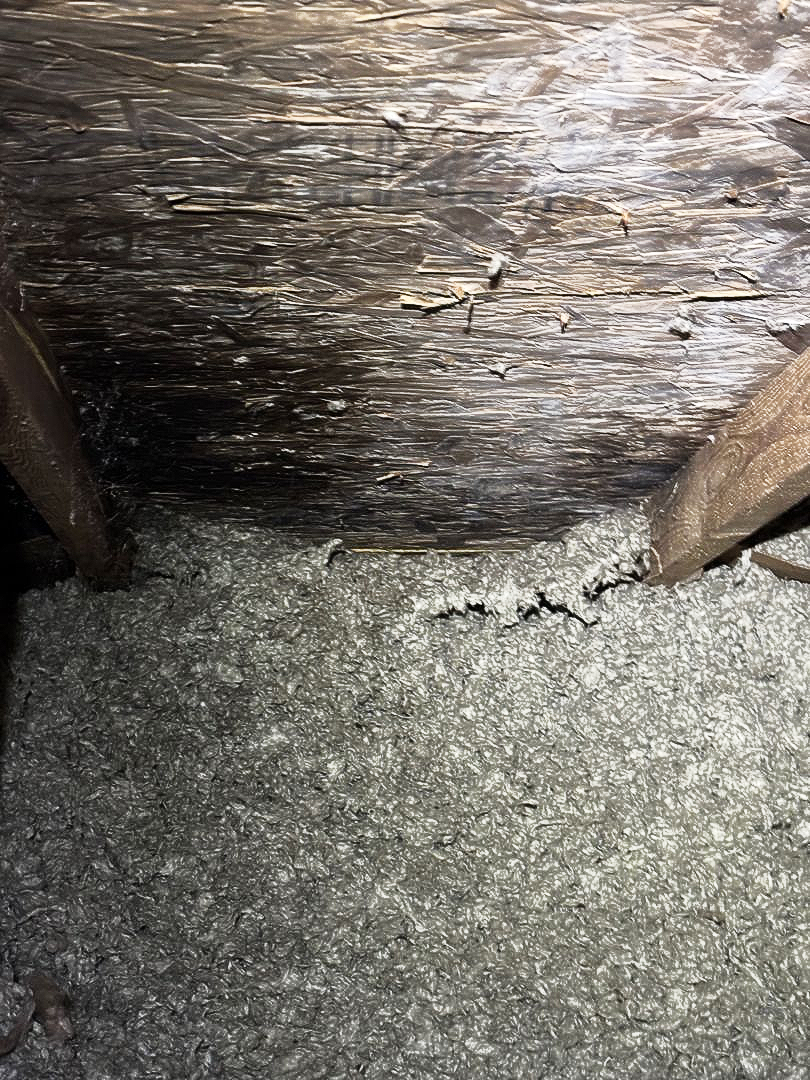
- Tunnels and trails — quarter-sized holes going down into blown insulation, and packed-down "runways" across the surface where mice commute
- Nests — shredded insulation, paper, or fabric packed into corners and around warm spots like furnace flues and can lights
- Smell — a sharp ammonia odor from urine that's soaked into the insulation
That last one matters more than most people realize, and we'll come back to it.
How to get rid of mice in the attic
Honest answer: getting rid of the mice themselves is a two-part job, and only one part is ours.
Part one is exclusion and trapping — finding and sealing every entry point bigger than a quarter inch (mice squeeze through almost anything), then trapping the ones still inside. A good pest control company handles this, and we're happy to recommend ones we trust in Spokane. Skip the poison bait in attics if you can: mice die in wall cavities and insulation, and now you have a different odor problem.
Part two is what almost everyone skips: dealing with what the mice left behind. Trapping removes the mice. It does nothing about the months or years of droppings, urine, nesting tunnels, and crushed insulation above your ceiling. That contamination doesn't leave when the mice do — and it's the part that affects your family's air and your heating bill.
Here's the connection most people miss: the same gaps that let warm air leak out of your house are the highways mice use to get in and around. Proper air sealing — closing up plumbing penetrations, wire holes, and gaps around flues — serves double duty: it keeps your heat in and makes your attic a much harder neighborhood to move into.
Are mouse droppings in insulation dangerous?
This deserves a straight answer without fearmongering.
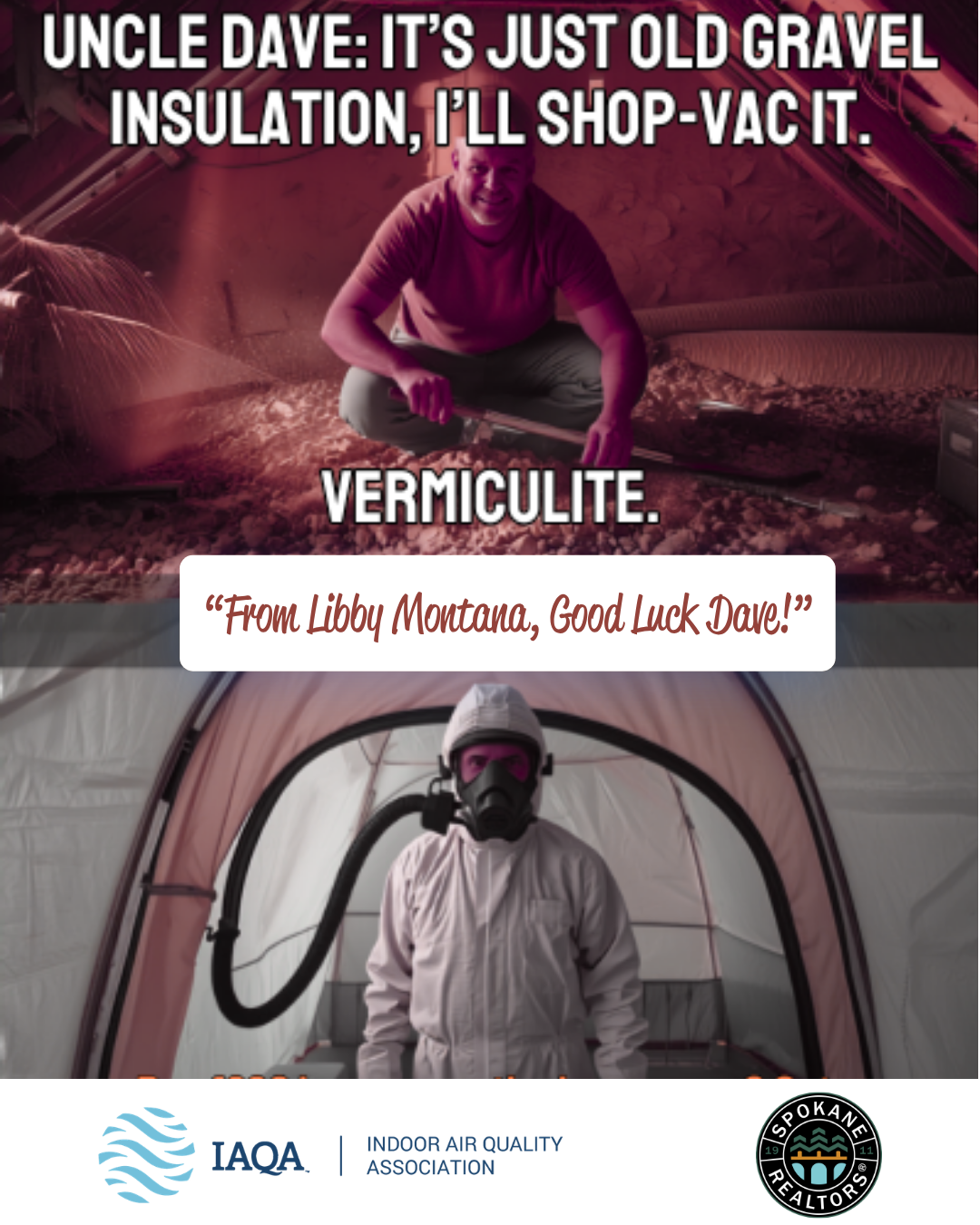
Mouse droppings and urine can carry bacteria like salmonella, and deer mice — which we absolutely have in Eastern Washington — can carry hantavirus. Hantavirus infections are rare, but they're serious, and the documented risk comes from stirring contaminated dust into the air and breathing it. That's exactly what happens when someone crawls into an attic and starts sweeping, bagging insulation by hand, or running a shop vac through droppings.
That's why the CDC's guidance is blunt: don't sweep or vacuum rodent droppings with household equipment. It's also why our crews work in contaminated attics with respirators and HEPA filtration — and why "I'll just clean it up myself this weekend" is the one approach we genuinely ask homeowners not to take.
Beyond the health question, there's a practical one: urine-soaked insulation is ruined insulation. It's compacted where mice tunneled, it holds odor permanently, and its R-value is compromised. You can't wash it, treat it, or air it out. It needs to come out.
What attic cleanup after mice actually looks like
Here's our rodent attic cleanup process on a typical Spokane home:
1. Inspection first. We put eyes (and a thermal camera) on the whole attic, document the contamination with photos, find the entry points and the air leaks, and give you a written plan with line-item pricing. If you're mid-home-sale, we do same-day real estate inspections.
2. Removal, not raking. Contaminated insulation comes out through a truck-mounted vacuum system — nothing gets carried in bags through your hallway. HEPA filtration keeps the dust where it belongs. Droppings, nests, and debris go with it.
3. Sanitize and treat. Exposed framing and the attic floor get treated with an EPA-registered disinfectant to neutralize what the vacuum can't grab.
4. Air seal the attic floor. Every penetration gets sealed — the energy fix and the rodent-discouragement fix in one step.
5. Re-insulate to code. Fresh, borate-treated Clean Fiber cellulose blown to R-49–R-60. Your attic ends up cleaner, healthier, and better insulated than before the mice showed up — most homes notice the difference on the next heating bill.
One thing to know going in: most homeowner's insurance policies treat rodent damage as excluded "pest damage," so unlike smoke or water losses, this is usually an out-of-pocket project. We keep it honest with line-item bids, and the energy savings and utility rebates on the new insulation soften the real cost.
Does insulation attract mice? (And is there rodent proof insulation?)
Two questions we get on almost every rodent job.
Does insulation attract mice? Not as food — mice don't eat insulation. But traditional loose fiberglass is world-class nesting material: soft, warm, easy to tunnel through, and easy to shred. To a mouse, an under-insulated attic with fiberglass batts is a furnished apartment.
Is there rodent proof insulation? Nothing is truly mouse-proof except sealing them out — anyone who tells you otherwise is selling something. But materials differ a lot in how welcoming they are. Borate-treated cellulose — the Clean Fiber product we install — is the meaningful upgrade here. The borate treatment that makes it fire- and mold-resistant also makes it genuinely hostile to pests and rodents: it's an EPA-registered pesticide against many insects, and rodents show a strong aversion to nesting in it. Combined with air sealing the entry points, a dense borate-cellulose attic is about as uninviting as an attic gets.
So the honest formula for keeping mice out of the attic for good: seal the entries + remove the contaminated bedding + re-insulate with borate-treated cellulose. That's the whole playbook, and it happens to be the same work that cuts your heating bill.
Frequently asked questions
Can I clean up mouse droppings in the attic myself? For a few droppings on a hard surface: gloves, disinfectant, and paper towels — following CDC guidance, never dry sweeping. For droppings spread through insulation: no. You can't disinfect the inside of a fluffy material, and disturbing it airborne-izes exactly the dust you don't want to breathe. That's professional removal work.
Will the smell go away once the mice are gone? No — the ammonia smell lives in the urine-soaked insulation, and it gets stronger when the attic heats up. Removing the contaminated insulation removes the smell at the source. (Same principle as smoke odor: you can't clean a sponge from the outside.)
Does homeowner's insurance cover attic cleanup after mice? Usually not — most policies exclude rodent and pest damage. We'll tell you straight if we think your situation is an exception, and we provide documentation either way.
How much attic insulation do I need after rodent removal? Current code for Spokane's climate zone calls for R-49 minimum; we typically install R-49 to R-60. Most rodent-contaminated attics we open were under-insulated to begin with — which is often why the attic was leaking enough warm air to attract mice.
Do mice mean my house is dirty? Not at all. Mice want warmth and shelter, not crumbs — the cleanest house in Spokane gets mice if there's a gap and a cold October. It's a building envelope problem, not a housekeeping problem.
Heard scratching? Find out what's up there — free
If you've got mice in the attic (or just left a pest company's visit wondering what shape your insulation is in), we'll come take a look, show you photos of exactly what we find, and give you a written plan with line-item pricing. No pressure, no scare tactics — just a straight answer about what's above your ceiling.
Free attic inspections — call or text (509) 879-0495 or book online at insulationspokane.com/inspections.
Local, licensed & insured in Spokane & Coeur d'Alene since 2012 · WA Lic. #PACIFIL886KH · ID Lic. #RCE-47538 · 135+ five-star Google reviews.
Everything Attic. Except Bats. We're Terrified of Bats.
Click here to find the solution
Follow us