Why Spokane Homes Get Attic Mold (And Why It’s So Common Here)
Spokane’s Climate: Cold Winters + Moisture = Mold Fuel
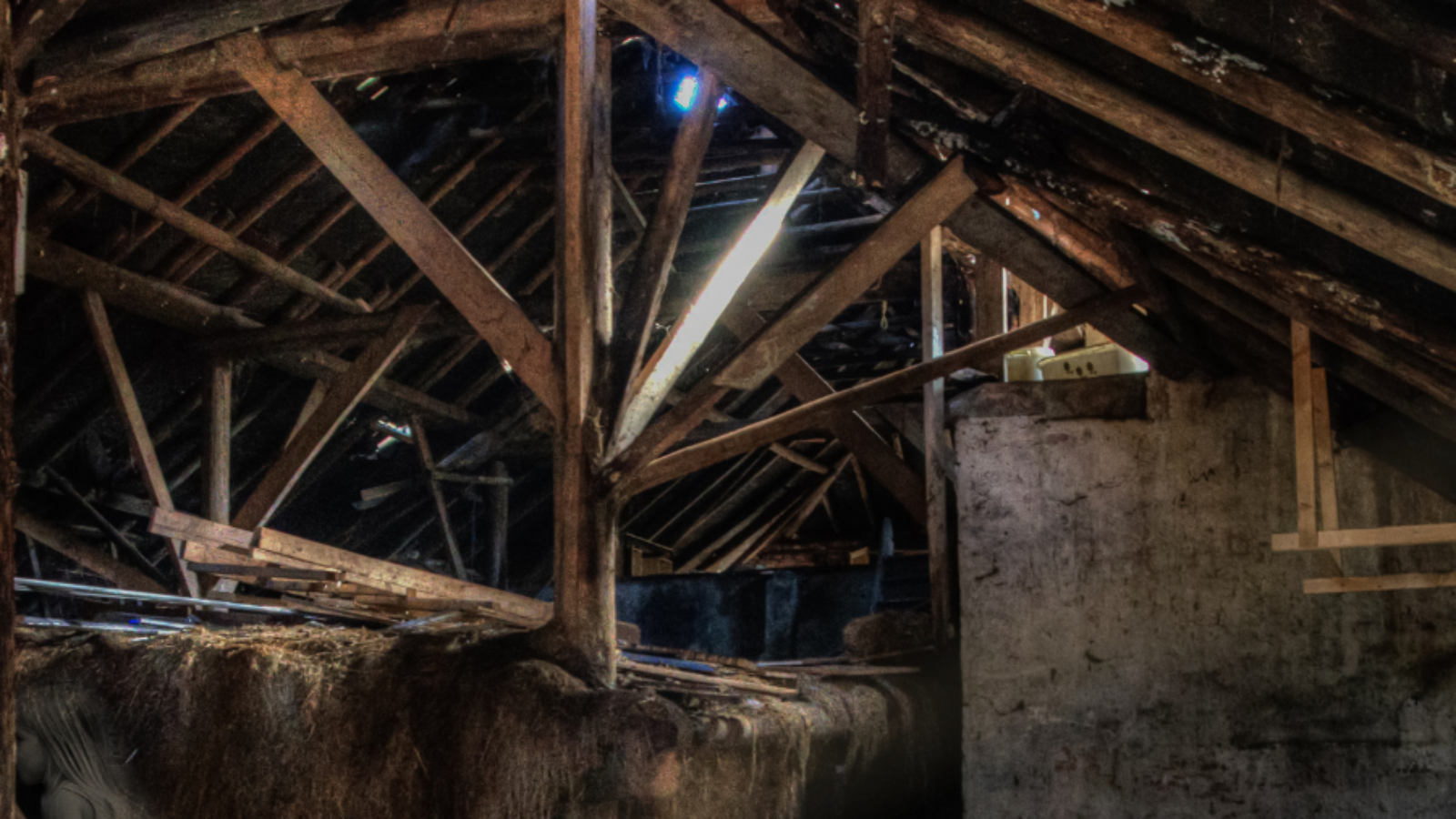
If you own a home in Spokane and haven’t looked in your attic lately, there’s a decent chance you’re sharing that space with mold. Not because your house is dirty or neglected—but because Spokane’s climate, building styles, and insulation habits create a perfect storm for attic mold growth.
Let’s break down why attic mold is so common in Spokane homes, what causes it, and why ignoring it usually gets expensive fast.
Spokane’s Climate: Cold Winters + Moisture = Mold Fuel
Spokane sits in a cold, moisture-prone climate for much of the year. From late fall through early spring, we get:
- Cold outdoor temperatures
- Warm indoor air
- High indoor humidity from showers, cooking, and breathing
That warm, moist air naturally rises. When it reaches a cold attic, it condenses—just like water on a cold soda can. That condensation settles on roof sheathing and framing, creating ideal conditions for attic mold growth.
This is why attic mold in Spokane isn’t rare—it’s predictable.
Inadequate Attic Insulation (The Silent Accomplice)
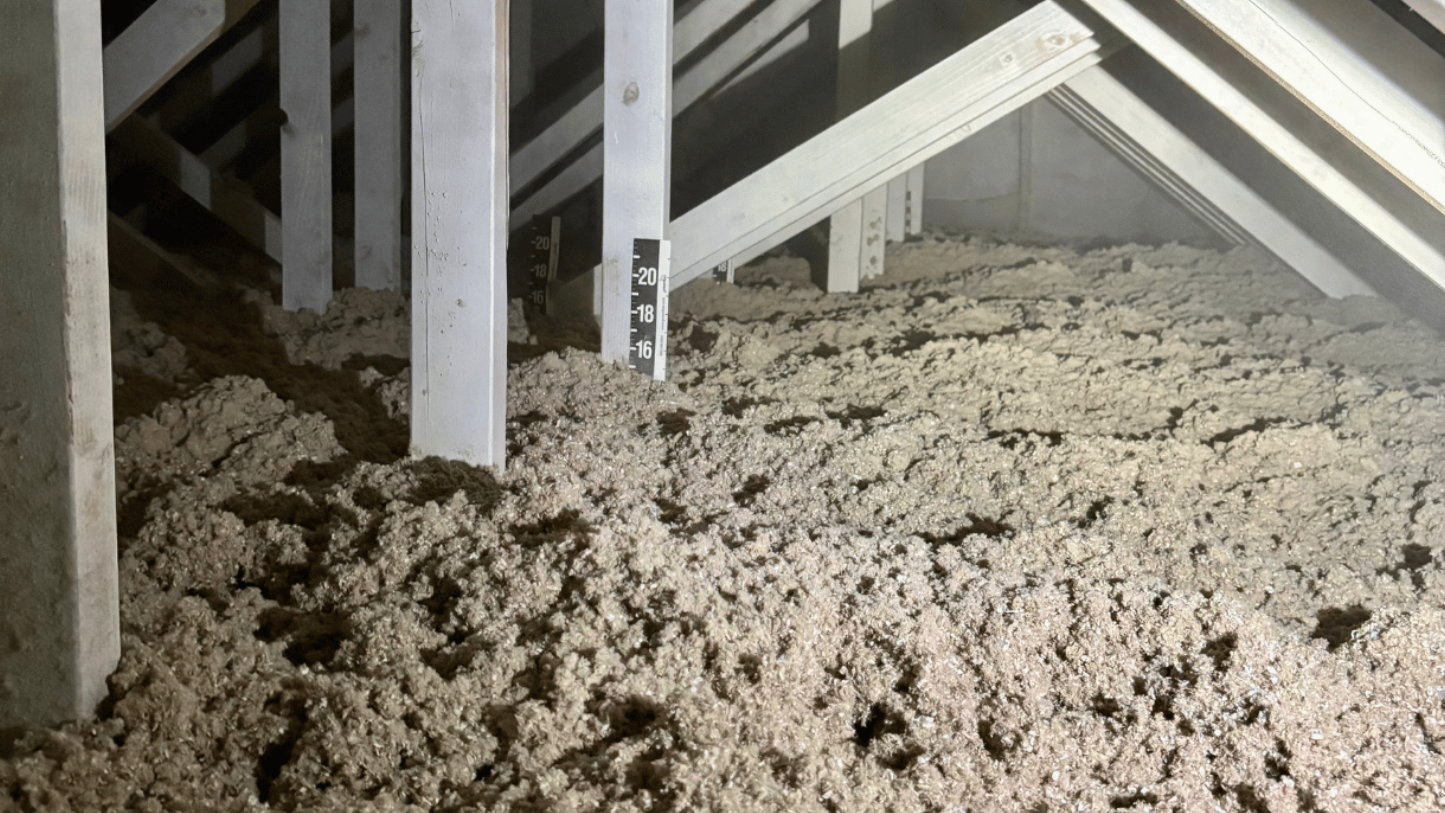
Many Spokane homes—especially those built before modern energy codes—have insufficient or poorly installed attic insulation.
When insulation is lacking:
- Heat escapes into the attic
- Roof decking stays cold
- Moisture condenses faster
- Mold grows sooner
Even newer homes can have problems if insulation was rushed or uneven. Thermal bridging, low R-values, and compressed insulation all increase the risk of attic mold in Spokane County.
Poor Attic Ventilation: A Common Spokane Problem
Attic ventilation is supposed to remove moisture. In many Spokane homes, it doesn’t.
Common issues include:
- Blocked soffit vents
- Too few roof or ridge vents
- Bathroom fans dumping moist air directly into the attic
- Passive vent systems that don’t work in cold weather
Without proper airflow, moisture gets trapped—turning the attic into a mold incubator.
Air Leaks From the Living Space Below
This one surprises homeowners.
Most attic mold doesn’t start in the attic—it starts in the house below.
Common air leaks include:
- Attic hatches
- Recessed lighting
- Bathroom exhaust fans
- Top plates and wiring penetrations
Warm, moist air escapes through these gaps and condenses on cold attic surfaces. No leak sealing = ongoing mold risk.
Spokane Snow, Ice, and Roof Temperature Imbalances
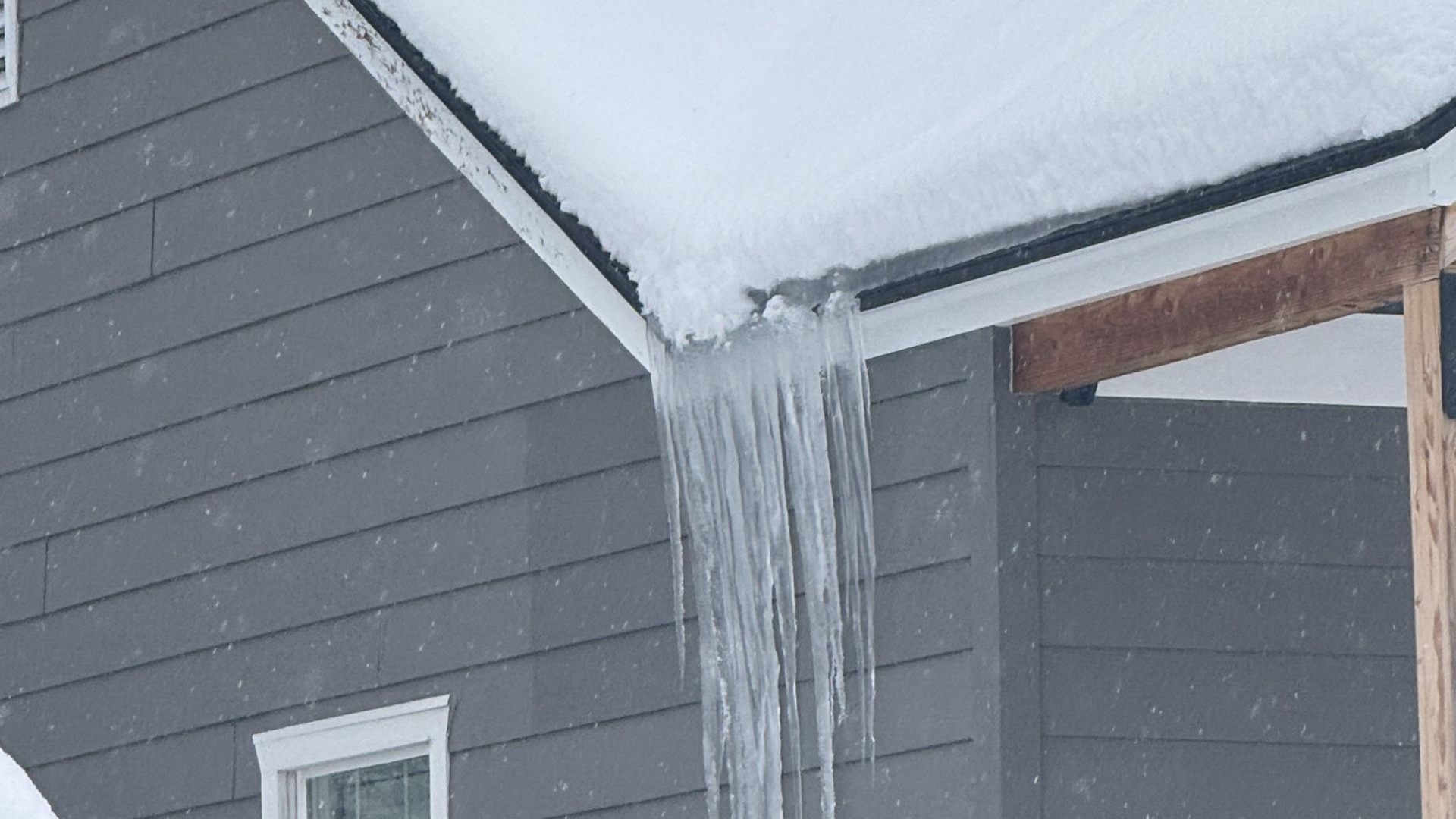
Ever notice snow melting unevenly on your roof?
That’s a red flag.
Heat loss through the attic causes roof temperature variations, leading to:
- Ice dams
- Refreezing meltwater
- Elevated attic moisture
These conditions don’t just damage roofs—they feed attic mold growth.
Why Attic Mold Is a Big Deal for Spokane Homeowners
Attic mold isn’t just cosmetic. It can:
- Spread spores into living spaces
- Trigger allergies and respiratory issues
- Kill real estate deals
- Disqualify homes from insulation rebates
- Lower home value
Buyers, inspectors, and appraisers in Spokane all take attic mold seriously—and so should homeowners.
Why Attic Mold Keeps Coming Back Without Fixing the Cause
Here’s the blunt truth:
Cleaning mold without fixing moisture and insulation issues is a temporary band-aid.
True attic mold remediation in Spokane requires:
- Moisture source identification
- Air sealing
- Proper insulation levels
- Ventilation corrections
Skip any of these steps and mold will return. Mold is patient. It always wins when conditions stay the same.
How Spokane Homeowners Can Prevent Attic Mold
Prevention comes down to building science, not luck:
- Proper attic insulation (meets or exceeds current code)
- Sealed attic air barriers
- Correct ventilation design
- Verified bathroom fan exhaust routing
- Moisture diagnostics—not guesses
A professional attic inspection using thermal imaging and moisture testing is often the fastest way to find the real cause.
Final Thought: Attic Mold in Spokane Is Common—But It’s Not Normal
If your Spokane home has attic mold, you’re not alone—but you don’t have to live with it.
Attic mold is a symptom, not the disease. Fix the building envelope, control moisture, and the mold problem stops for good.
And yes—your attic will thank you. Quietly. Because it’s an attic.
Follow us