Attic Mold Found During a Home Inspection?
Attic Mold Found During a Home Inspection: What It Means for Buyers and Sellers
Few things derail a real estate transaction faster than attic mold discovered during a home inspection. One minute the deal feels solid, the next there’s talk of mold, moisture, insulation removal, and a mysterious musty smell no one wants to claim responsibility for.
In Spokane and the Inland Northwest, this scenario is common—and usually preventable.
Let’s break down why attic mold shows up during inspections, what causes it, and what buyers and sellers should do next.
Why Attic Mold Is Commonly Found During a Home Inspection
Home inspectors don’t miss much—and attics are a top priority. During a standard home inspection, inspectors look for:
- Visible mold on roof sheathing
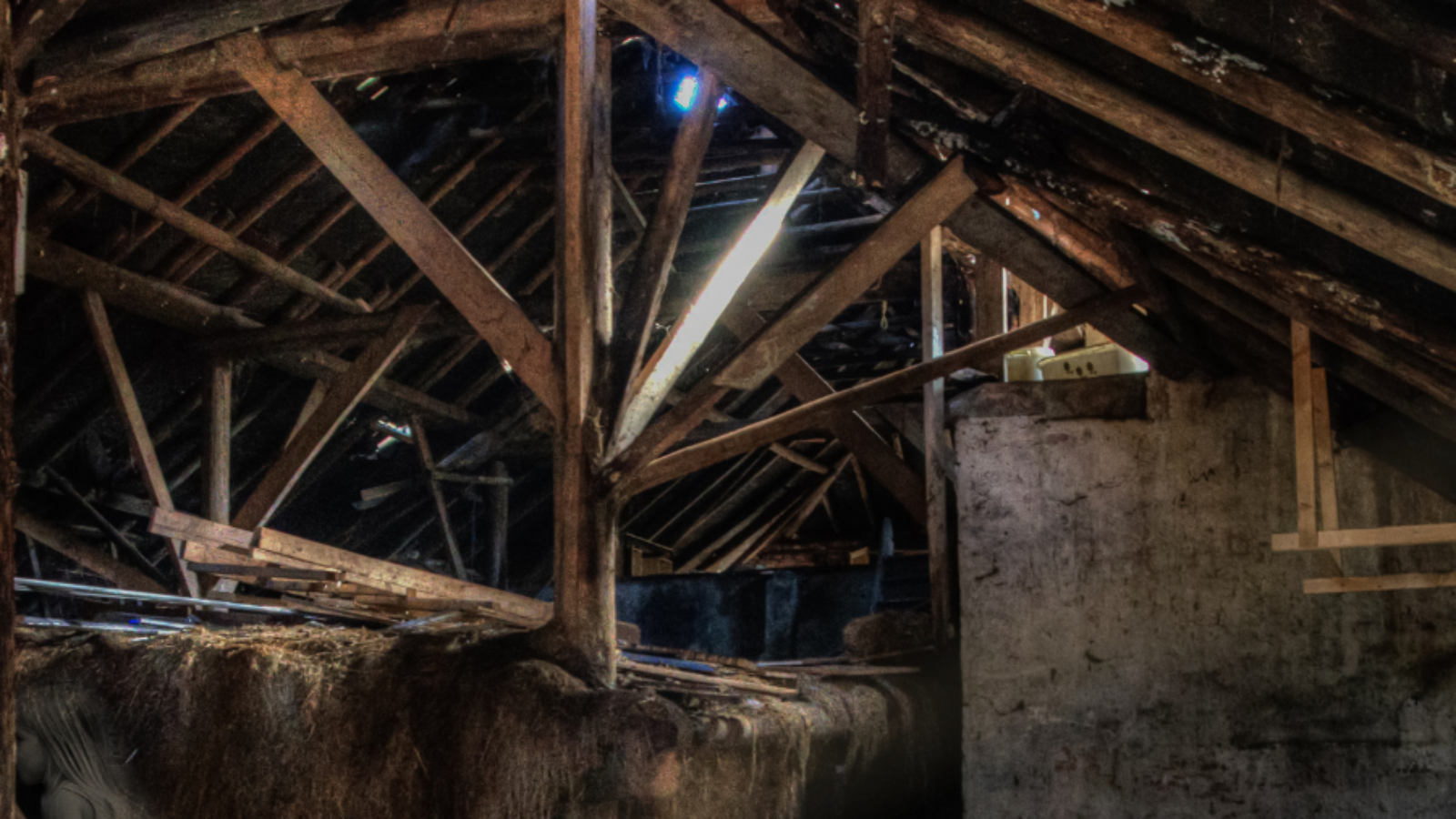
- Dark staining or fuzzy growth in the attic
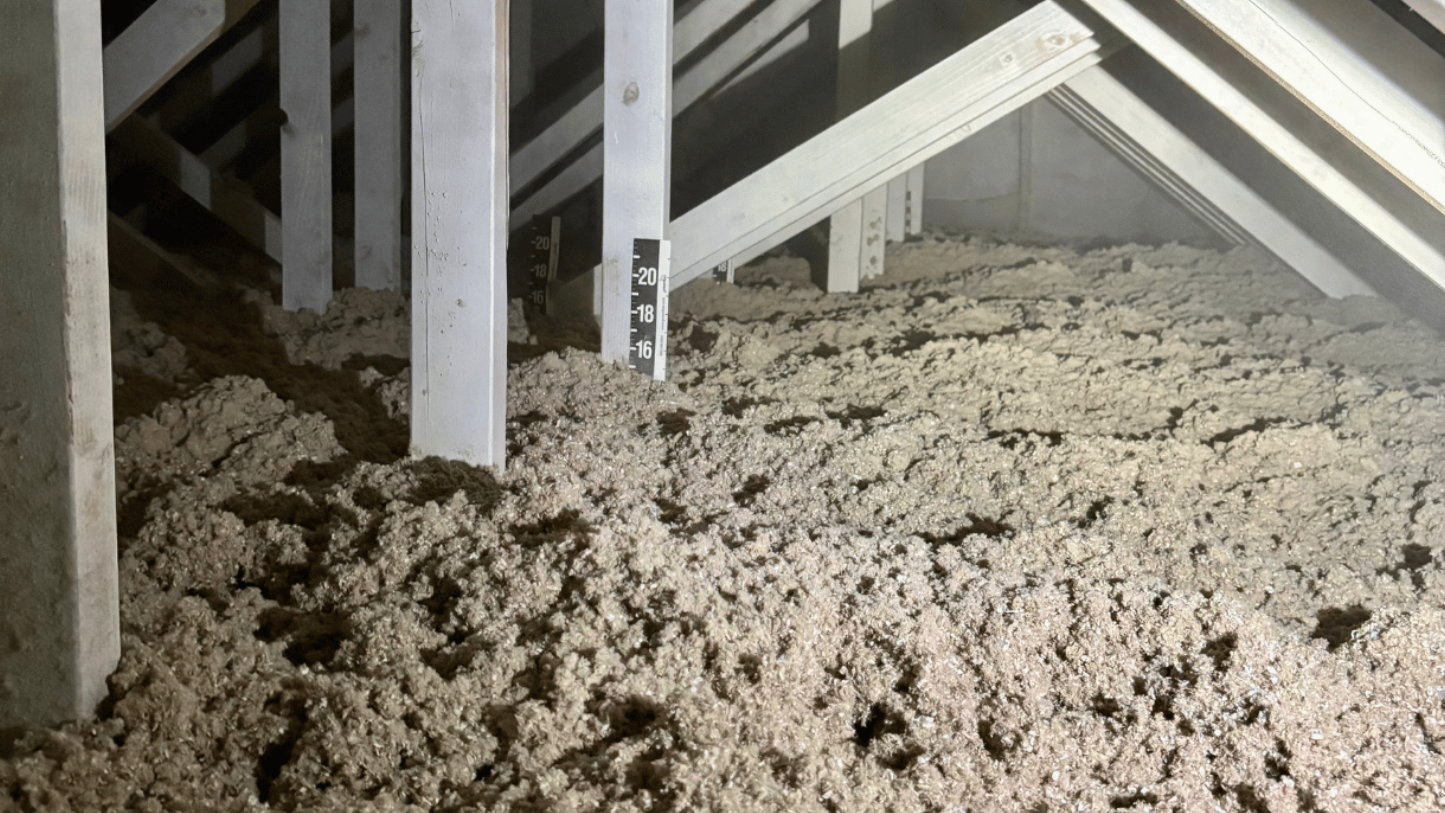
- Damp or compressed insulation
- Evidence of roof leaks or moisture intrusion
- Strong or lingering musty smells
Attic mold often goes unnoticed by homeowners because it’s out of sight. Inspectors, however, know exactly where to look—and once it’s documented, it becomes a material issue.
The Usual Suspects: What Causes Attic Mold?
1. Moisture from a Leaky Roof
A leaky roof is an obvious—but not always visible—cause of attic mold. Even minor roof leaks can drip slowly onto insulation or roof decking, creating just enough moisture to support mold growth.
The problem? Roof leaks don’t always leave water stains on ceilings. The attic takes the hit first.
2. Poor Ventilation and Trapped Moisture
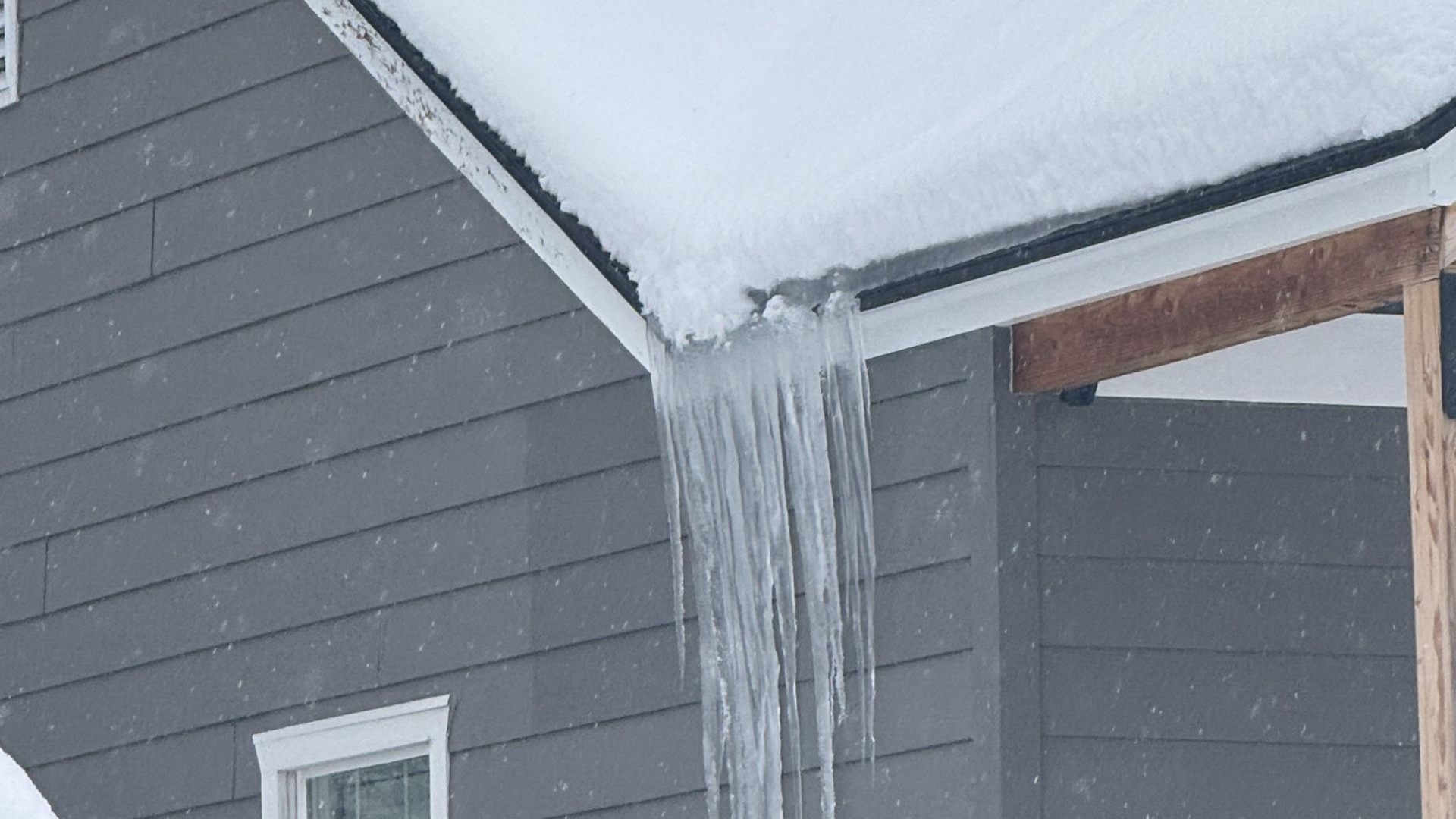
Many attics lack proper ventilation. When warm, moist air gets trapped—especially during winter—it condenses on cold surfaces, feeding mold growth.
Blocked soffit vents, underperforming roof vents, and poorly designed airflow are common contributors.
3. Air Leaks from the Living Space Below
Bathrooms, kitchens, attic hatches, recessed lights, and top plates all allow warm, moist air to escape into the attic. That moisture settles, and mold follows.
This is a big reason attic mold shows up even when there’s no roof leak at all.
4. Wet or Contaminated Insulation
Once insulation gets damp or moldy, it becomes a liability. Mold spores can spread, odors linger, and insulation performance drops.
In many cases, insulation removal is required—not optional—to properly address attic mold.
The Musty Smell: A Major Red Flag
A persistent musty smell during a home inspection almost always points to a moisture problem. Even if visible mold is limited, odors suggest:
- Hidden mold growth
- Damp insulation
- Long-term humidity issues
Buyers notice smells. Lenders notice inspection reports. Deals stall quickly when odors are involved.
What Happens After Mold Is Found During a Home Inspection?
Once attic mold is documented, the next steps usually include:
- Additional mold or moisture inspections
- Repair recommendations for roof leaks or ventilation issues
- Insulation removal and replacement
- Requests for professional mold remediation
For sellers, this often means renegotiation. For buyers, it’s about understanding whether the issue is cosmetic—or systemic.
Why Insulation Removal Is Often Necessary
Here’s the blunt truth:
You can’t fix attic mold while leaving contaminated insulation in place.
Mold spores settle into insulation fibers, especially fiberglass and cellulose. If insulation removal isn’t done properly:
- Odors persist
- Mold returns
- Inspection issues resurface later
Professional attic remediation typically includes removing affected insulation, correcting moisture sources, and reinstalling insulation correctly.
How Buyers Can Protect Themselves
If attic mold shows up during your home inspection:
- Don’t ignore it
- Don’t accept surface cleaning alone
- Ask for documentation of repairs and remediation
- Verify moisture sources were corrected—not just cleaned
A cheap fix today can turn into a major problem after closing.
How Sellers Can Keep Deals From Falling Apart
If you’re selling and attic mold is discovered:
- Address it quickly and professionally
- Fix the underlying cause (roof leak, ventilation, air leaks)
- Provide clear documentation
- Avoid temporary or cosmetic-only fixes
Handled correctly, attic mold doesn’t have to kill a sale. Ignored or minimized, it often does.
Final Word: Attic Mold Is a Symptom, Not the Problem
When attic mold is found during a home inspection, it’s rarely random. It’s a sign of moisture, airflow, or insulation failure.
Fix the cause, not just the appearance. That’s how inspections get cleared, homes stay healthy, and deals actually close.
And yes—the musty smell should disappear too. That’s how you know it was done right.
For more information visit https://www.insulationspokane.com/mold-remediation
Follow us