Attic Mold Keeps Coming Back? Here’s Why
Why Attic Mold Comes Back Every Winter in Spokane, Washington
If attic mold comes back every winter, it’s not bad luck—and it’s definitely not because your house is “old.” In Spokane, recurring attic mold almost always means the moisture source was never fixed.
You can scrub mold, fog it, paint over it, or spray it with something that smells “industrial.” None of that matters if the attic conditions stay the same.
And in Spokane, those conditions repeat like clockwork.
Why Attic Mold Comes Back Every Winter in Spokane, Washington
Spokane’s winters create the perfect environment for attic mold growth:
- Cold outdoor temperatures
- Warm indoor air
- Moisture from showers, cooking, and breathing
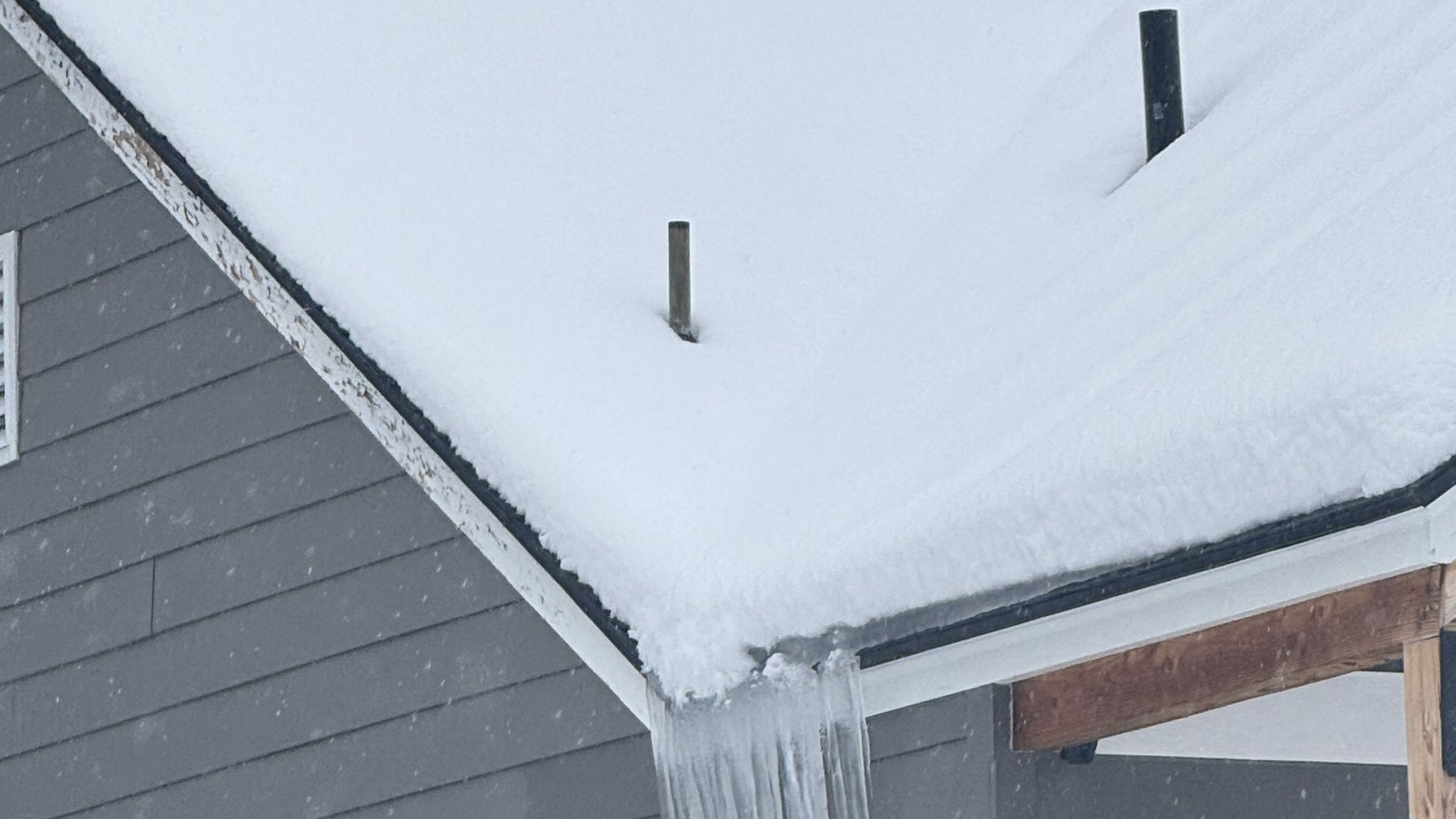
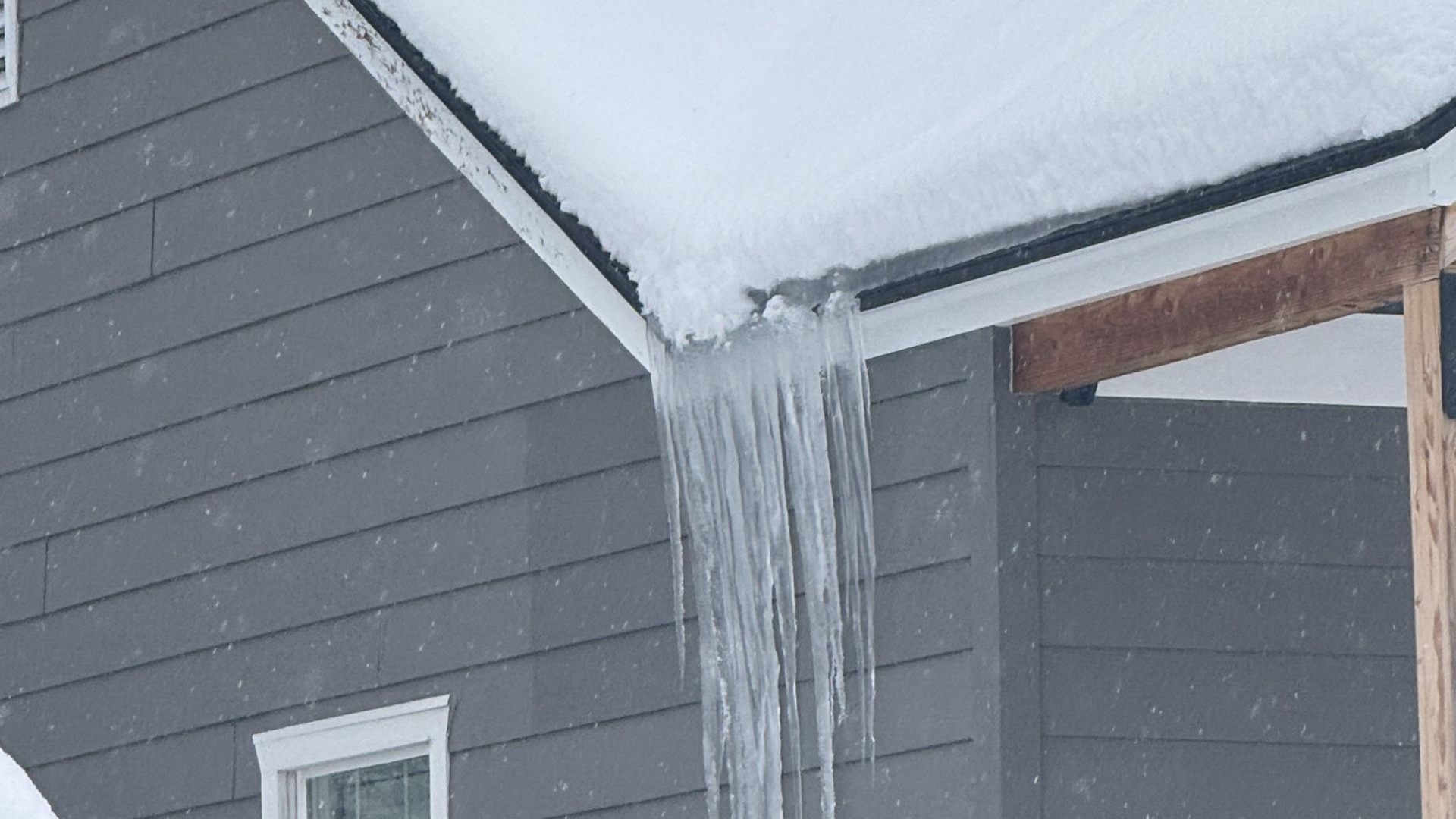
- Snow sitting on cold roof decking
Warm, moist air rises into the attic. When it hits cold roof sheathing, condensation forms. Mold doesn’t need a flood—just consistent moisture.
That’s why homeowners often say:
“We cleaned it last year… and now it’s back again.”
Cleaning Mold Isn’t Attic Mold Removal (Big Difference)
Here’s the uncomfortable truth:
Most attic mold jobs fail because they only clean the mold.
True attic mold removal in Spokane must address why mold grew in the first place. If the underlying moisture problem isn’t corrected, mold will return—usually the next winter.
The Real Reasons Attic Mold Returns in Spokane Homes
1. Inadequate or Missing Attic Insulation
Many Spokane homes—especially pre-2000 construction—have:
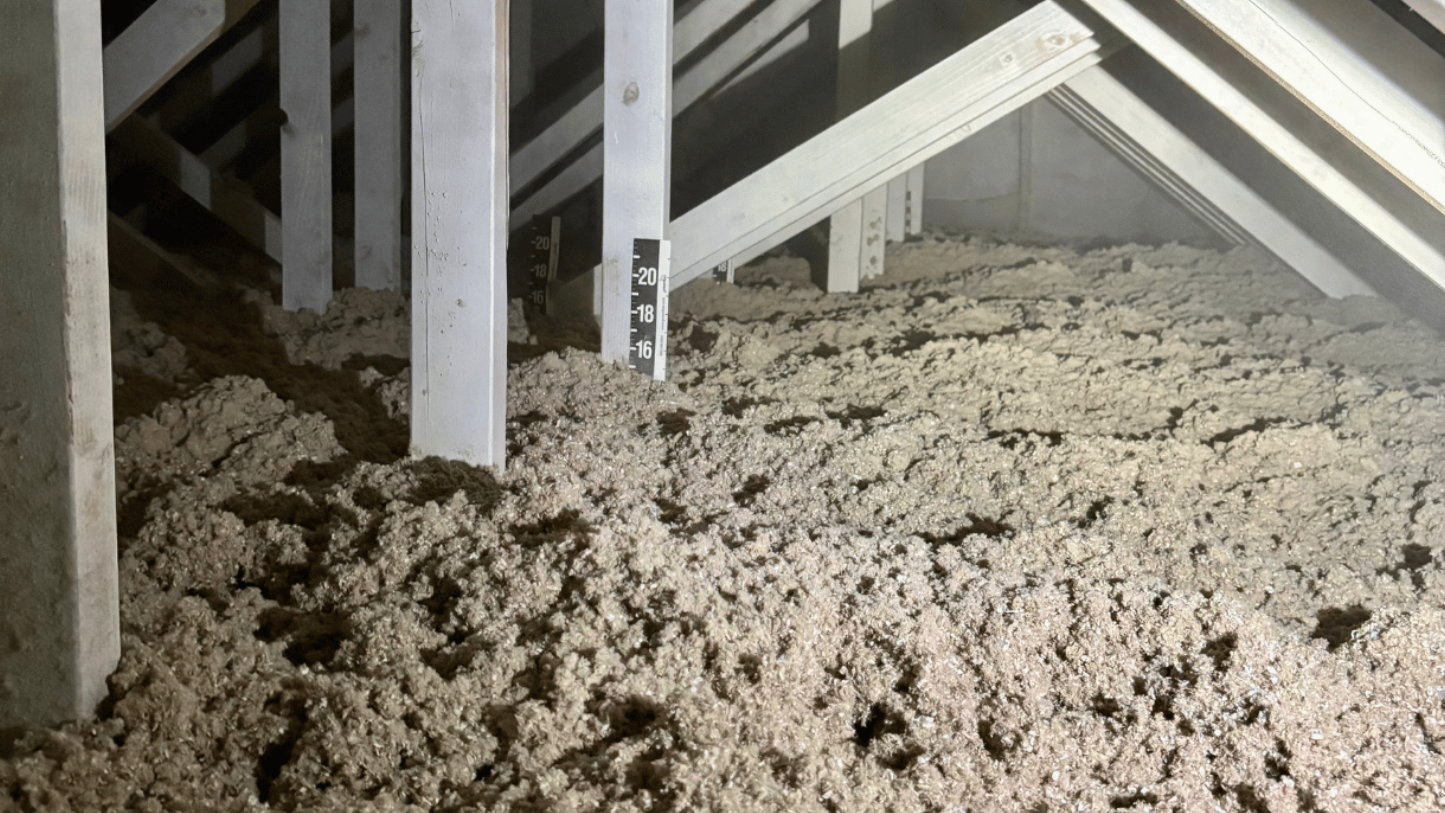
- Low R-value insulation
- Compressed or uneven insulation
- Insulation disturbed by prior work
Poor insulation allows heat to escape into the attic, warming roof decking and increasing condensation.
2. Air Leaks Feeding Moisture into the Attic
This is the biggest culprit we see in Spokane attics.
Common air leakage points include:
- Bathroom fans
- Attic access hatches
- Recessed lighting
- Top plates and wiring penetrations
Warm, moist air leaks upward nonstop. Mold doesn’t need an invitation—it just shows up.
3. Improper Attic Ventilation
Ventilation should remove moisture. In many Spokane homes, it doesn’t.
Common issues:
- Blocked soffit vents
- Inadequate ridge or roof vents
- Passive ventilation that fails in cold weather
Without proper airflow, moisture lingers—and mold thrives.
4. Mold-Contaminated Insulation Was Left Behind
If insulation wasn’t removed during previous mold work, spores remain.
That means:
- Odors persist
- Mold recolonizes quickly
- The problem never truly goes away
In many cases, insulation removal and replacement is necessary for long-term attic mold control.
What Proper Attic Mold Removal in Spokane Actually Includes
If attic mold keeps returning, a proper solution usually includes:
- Identifying moisture sources
- Sealing attic air leaks
- Removing contaminated insulation (when needed)
- Installing proper insulation levels
- Correcting attic ventilation
- Cleaning and treating affected wood surfaces
Anything less is temporary.
Why Spokane Homeowners Notice Mold More in Winter
Winter is when Spokane homes are sealed tight. Humidity builds indoors, ventilation is reduced, and attics stay cold.
That’s when mold conditions peak—and when problems that were “invisible” in summer become obvious.
If attic mold only appears in winter, that’s a huge diagnostic clue, not a coincidence.
Why Ignoring Recurring Attic Mold Gets Expensive
Left untreated, recurring attic mold can:
- Damage roof decking
- Create persistent musty odors
- Trigger failed home inspections
- Reduce resale value
- Disqualify homes from energy rebates
It’s cheaper to fix it correctly once than to clean it every year forever.
Final Word: If Attic Mold Keeps Coming Back, Something Was Missed
In Spokane, attic mold that returns every winter means the building envelope is still leaking heat and moisture.
Proper attic mold removal isn’t just about killing mold—it’s about fixing insulation, air sealing, and ventilation so mold can’t come back.
If the cause is corrected, mold doesn’t get a second chance.
Follow us