Uncover Hidden Energy Loss: The Value of Comprehensive Thermal Imaging Inspections for Home Insulation
Why Invest in a Thermal Imaging Inspection?
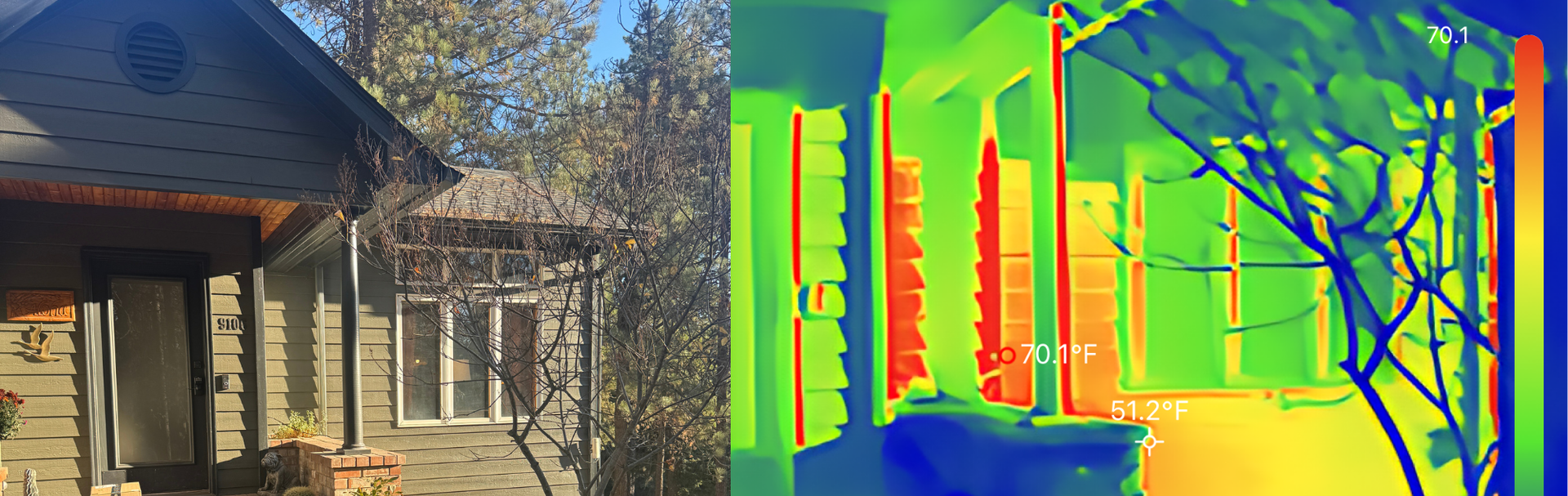
When it comes to home comfort and energy efficiency, insulation is the silent hero—or the sneaky culprit when it fails. That’s where thermal imaging inspections step in. Using advanced infrared cameras like the FLIR series, these inspections reveal what the naked eye can’t: where your home is losing heat, where moisture is sneaking in, and how your insulation is actually performing behind the drywall.
In an era where energy costs are climbing and homeowners are more eco-conscious than ever, thermal imaging for insulation has become one of the most sought-after services in home diagnostics. Whether you’re considering an attic insulation upgrade, diagnosing drafty walls, or verifying the results of an insulation project, a comprehensive thermal imaging report delivers the clarity you need to make confident, cost-effective decisions.
🔍 What Is a Thermal Imaging Inspection?
A thermal imaging home inspection uses infrared technology to visualize surface temperature differences throughout your home. These temperature variations help identify air leaks, moisture intrusion, and missing or poorly installed insulation.
During a thermal insulation inspection, an experienced technician scans key areas such as:
- Attics and crawl spaces
- Exterior walls and rim joists
- Windows, doors, and vent penetrations
- Ceiling junctions and electrical outlets
By analyzing the infrared imagery, professionals can detect energy loss long before it becomes a costly problem.
💡 Why It Matters for Insulation Efficiency
Your insulation’s performance depends on proper installation, adequate R-value, and complete coverage. Even small gaps can cause major temperature imbalances, leading to higher energy bills and uncomfortable rooms.
Thermal imaging insulation testing shows you exactly where insulation is thin or missing. It’s also the fastest way to identify air leaks and thermal bridging—spots where heat bypasses insulation due to poor sealing or structural components like studs or rafters.
A detailed thermal imaging report documents every issue visually, so homeowners can see proof of energy loss rather than relying on guesswork. When paired with a home energy audit, these reports form the backbone of an intelligent weatherization strategy.
🧾 The Value of Comprehensive Thermal Imaging Reports
A professional thermal imaging report for insulation doesn’t just show colorful pictures—it tells a story of how your home performs thermally. High-quality reports include:
- Annotated infrared images with exact temperature readings
- Side-by-side visible light comparisons
- Detailed analysis of insulation voids, air leaks, and moisture signatures
- Recommendations for insulation upgrades or air sealing
This information empowers homeowners to take targeted action, ensuring every dollar spent on insulation goes where it makes the most impact. For contractors, these reports provide documented proof of performance—essential for rebate programs, warranty claims, or post-upgrade validation.
⚡ Common Issues Found During Thermal Inspections
Thermal imaging frequently reveals problems that standard inspections miss:
- Gaps in attic insulation near eaves or around recessed lights
- Moisture infiltration hidden behind drywall or under roofing
- Poorly sealed ductwork leaking conditioned air
- Uninsulated crawl spaces or rim joists
- Settled cellulose or fiberglass batts leaving cold spots
Identifying these issues early prevents heat loss, mold growth, and high utility costs.
🌡️ The Smart Investment for Homeowners
While some see thermal imaging as an optional add-on, smart homeowners and energy auditors know it’s a diagnostic must-have. It’s the most efficient way to verify insulation performance before investing thousands in upgrades. Many energy rebate programs even recognize infrared insulation inspections as part of the qualification process.
With precise data in hand, you can strategically improve your home’s envelope—cutting waste, boosting comfort, and increasing resale value.
🏠 Final Thoughts
If you’ve ever wondered whether your insulation is doing its job, a comprehensive thermal imaging inspection answers that question definitively. It’s not just a cool camera trick—it’s a science-backed, cost-saving tool for homeowners and contractors alike. By revealing the invisible, you can seal your home, save money, and stay comfortable year-round.
Follow us