Essential Tips for a Successful Real Estate Inspection
Preparing for Your Inspection: House Inspection Checklist
Essential Tips for a Successful Real Estate Inspection
Navigating the world of real estate can be daunting. A real estate inspection is a crucial step in this journey. It helps identify potential issues before purchasing a property.
Understanding the property's condition is vital for making informed decisions. Inspections can reveal hidden problems that might affect the property's value.
A thorough inspection can save buyers from costly repairs down the line. It also provides peace of mind and confidence in the purchase decision.
Real estate inspections differ from appraisals, which focus on property value. Inspections assess the property's condition, offering a detailed report.
Whether buying or selling, knowing what to expect during an inspection is essential. It ensures a smoother transaction and a successful real estate experience.
What Is a Real Estate Inspection?
A real estate inspection evaluates the condition of a property. It is an essential step when buying or selling a home. The inspection covers various aspects of the property, providing vital information.
Inspectors conduct a thorough evaluation of several components. This usually includes the roof, foundation, plumbing, and electrical systems. The goal is to identify any existing or potential issues.
Here are key elements typically inspected:
- Structural components
- Roof and attic
- HVAC systems
- Electrical and plumbing
- Exterior and interior conditions
A professional inspector assesses the property comprehensively. They provide a detailed report with findings and recommendations. This can impact negotiation terms and future decisions, providing clarity and confidence.
Real Estate Inspection vs. Real Estate Appraisal
A real estate inspection focuses on evaluating the condition of a property. It identifies possible issues, from roof leaks to faulty wiring. Meanwhile, a real estate appraisal estimates the market value of the property.
Understanding the differences between inspection and appraisal is crucial. Inspections detail the physical state, while appraisals help determine value based on market factors. This is especially important for setting the right price and understanding value.
Key differences include:
- Purpose: Condition vs. Value
- Outcome: Detailed report vs. Valuation number
- Conducted by: Inspector vs. Appraiser
Both processes are essential but serve different roles in real estate transactions. Knowing what each provides helps buyers and sellers make informed decisions.
Why a Property Condition Assessment Matters
A property condition assessment is vital for uncovering hidden issues. It provides a detailed understanding of the property's state. This is crucial for avoiding unexpected repairs and expenses.
Homebuyers gain valuable insights from these assessments. By learning about potential problems early, they can negotiate more effectively. Understanding the property's condition can greatly impact the final price and terms of sale.
Essential elements of a property condition assessment include:
- Structural integrity
- Electrical and plumbing systems
- Evidence of mold or water damage
by Shayne Carpenter (https://unsplash.com/@arsmoriendi)
Conducting a thorough assessment ensures informed decisions. It helps both buyers and sellers feel confident and prepared in real estate transactions.
Preparing for Your Inspection: House Inspection Checklist
Getting ready for a real estate inspection involves more than just showing up. Preparation is key to ensuring a smooth process. A detailed house inspection checklist is an invaluable tool in this regard.
This checklist helps in covering all essential areas. It ensures nothing gets overlooked during the inspection. Here's a basic framework to guide you:
- Roof and gutters
- Foundation and basement
- Plumbing fixtures
- Electrical panels
- Heating and cooling systems
by Peter Wang (https://unsplash.com/@peterwang1996)
Before the inspector arrives, make accessible paths to crucial areas. Clear out clutter from basements, attics, and garages. This makes the inspection process easier and faster.
Being prepared not only saves time but also reduces stress. Knowing what inspectors will focus on can help you understand the report later. It also equips you to ask insightful questions, ensuring you get the most from the inspection.
Key Areas to Inspect in Every Property
Certain aspects of a property require meticulous attention during an inspection. These areas often reveal underlying issues that could impact the property's value.
The roof and foundation are top priorities. Any damage to these parts can lead to costly repairs. Inspectors will check for missing shingles and signs of structural damage.
Plumbing and electrical systems are other critical areas. Faulty plumbing can cause water damage, while electrical issues pose safety risks. Properly functioning systems are essential for a livable home.
by Fons Heijnsbroek (https://unsplash.com/@fonsheijnsbroek_amsterdam_photos)
Interior areas, such as walls and flooring, also need inspection. Signs of mold, pests, or water stains should be noted. These factors can indicate larger problems lurking beneath the surface.
Finally, heating, ventilation, and air conditioning systems are vital. They affect comfort and energy costs. Ensuring they operate efficiently is crucial for a well-maintained property.
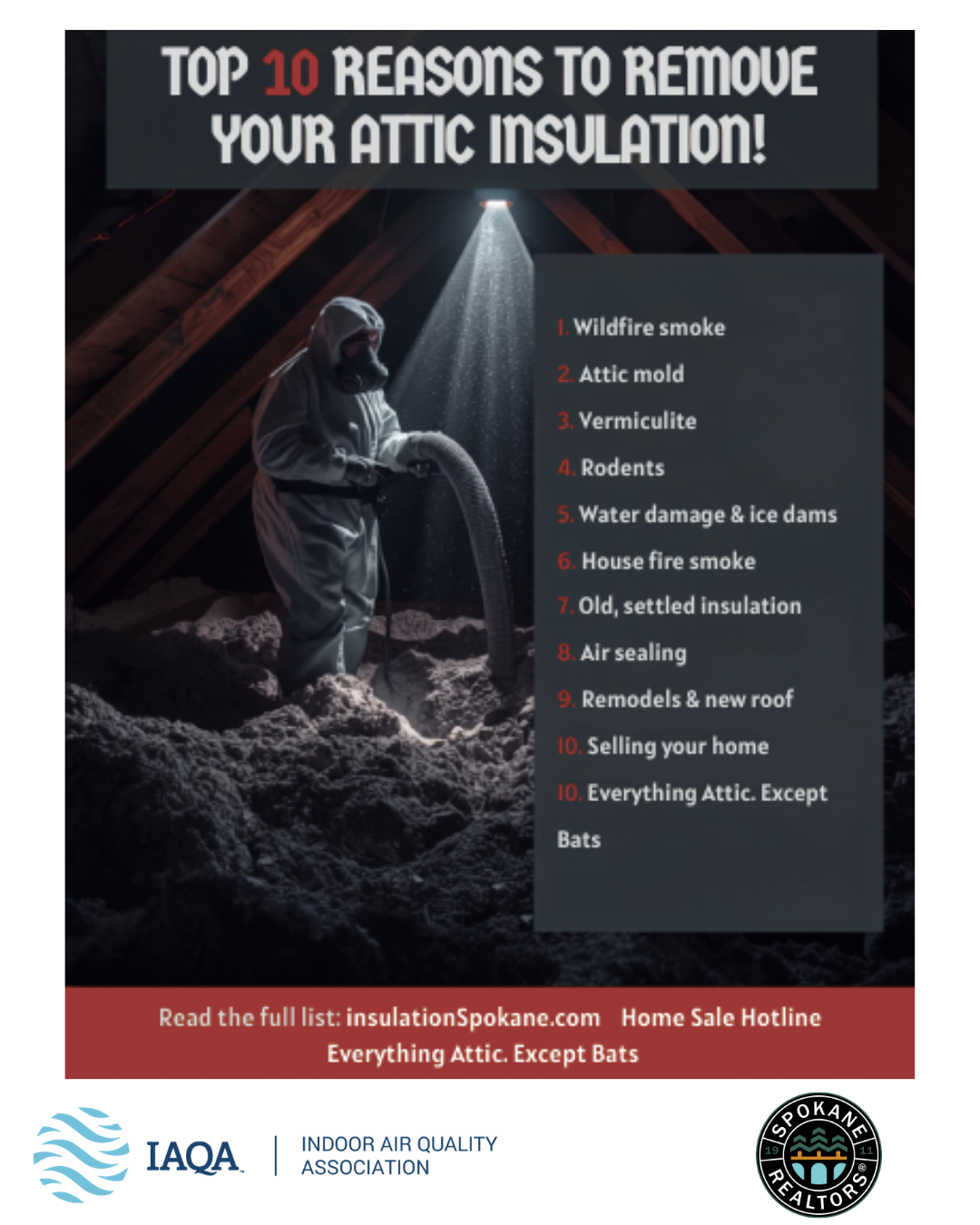
What to Do If You Find Suspected Asbestos or Vermiculite Attic Insulation
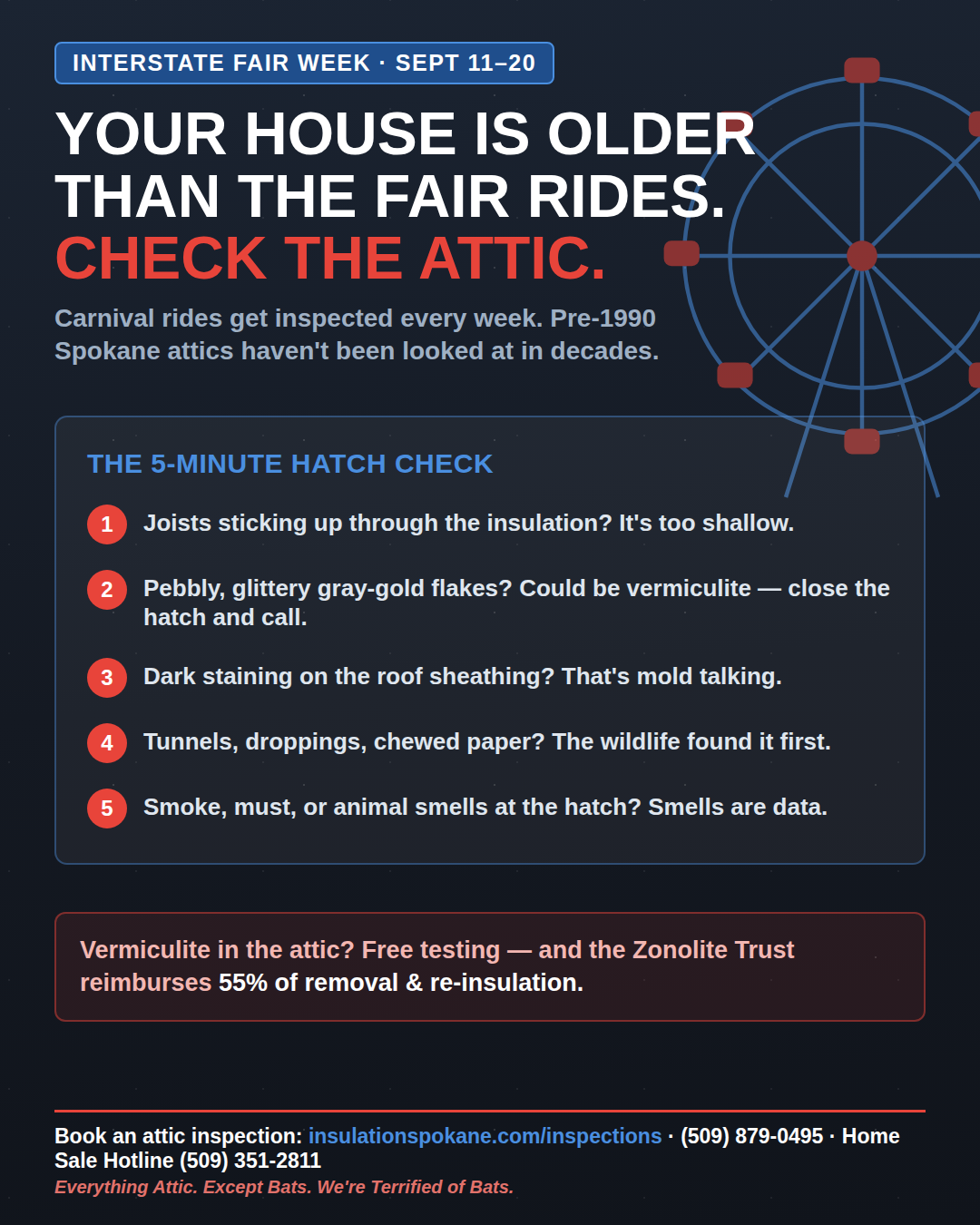
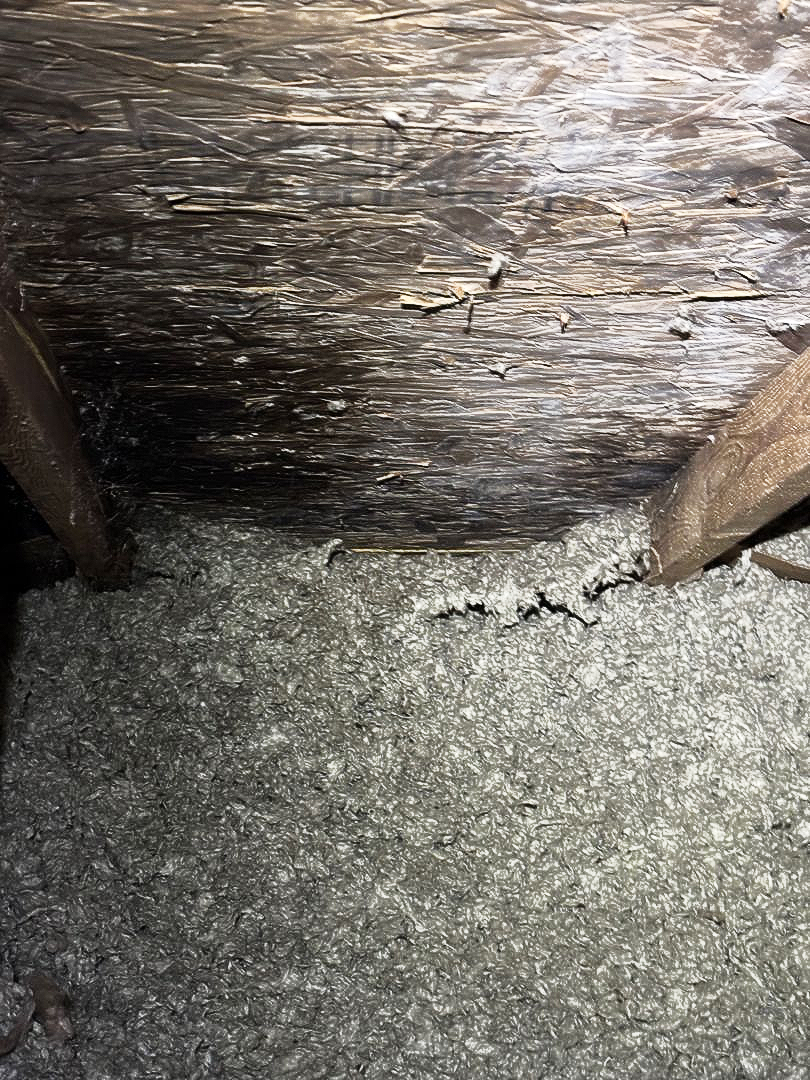
If an inspection turns up materials that may contain asbestos, the priority is to reduce disturbance and get qualified help. This is especially important with loose-fill vermiculite attic insulation, which is often treated as potentially asbestos-contaminated in real-world transactions.
- Stop and do not disturb the material. Avoid moving it, sweeping, vacuuming, or collecting “souvenir” samples. Limit entry into the attic and keep foot traffic to a minimum.
- Control dust and access. Do not run fans or equipment that could move fibers. If the area must be accessed, do so only with appropriate controls and personal protective equipment used by trained professionals.
- Document and report clearly. Photograph from a distance, note the location and extent, and state in the report that the material is suspected asbestos-containing material (ACM) and requires evaluation by a licensed professional.
- Order the right next step: a licensed asbestos evaluation. A qualified asbestos inspector or environmental professional can determine whether sampling is appropriate and, if so, arrange lab analysis using proper methods. Do not rely on visual identification alone for definitive conclusions.
- Treat vermiculite conservatively. Because contamination may be uneven, a “negative” test does not always eliminate risk. Many buyers and sellers proceed as if loose-fill vermiculite is ACM unless a robust, professionally designed sampling plan supports a different conclusion.
- Plan transaction options early. Use the finding to negotiate a seller credit, remediation prior to closing, price adjustments, or inspection contingencies tied to acceptable results and costs.
- Use licensed abatement contractors for removal or encapsulation. If abatement is needed, obtain written scopes and bids from licensed asbestos abatement contractors and confirm proper disposal procedures for Spokane County and Washington State requirements.
These steps reduce immediate risk and keep the inspection process aligned with health, disclosure, and regulatory expectations.
Tips for Buyers: Making the Most of Your Inspection
Buyers should attend the inspection to understand potential issues firsthand. This opportunity allows them to ask questions and gain valuable insights.
Engaging with the inspector during the process is beneficial. Their expertise helps clarify findings that might seem complex at first glance.
To make the most of the inspection, consider the following tips:
- Take notes on crucial findings to discuss later.
- Pay attention to safety hazards and costly repairs.
- Ask about maintenance tips for key systems.
By being proactive and involved, buyers can make informed decisions. The inspection phase is a chance to uncover hidden problems and gauge the property's true condition.
Tips for Sellers: How to Prepare for a Smooth Inspection
Sellers should address common issues before listing the property. A pre-listing inspection helps identify and fix problems early.
Consider the following tips for a smooth inspection process:
- Repair minor defects like leaky faucets.
- Clean gutters and trim overgrown plants.
- Ensure easy access to key areas like the attic and basement.
By taking these steps, sellers can present their home in the best light and reduce potential buyer concerns. A well-prepared property often translates to a more seamless inspection experience and can encourage confident offers.
Understanding and Using the Inspection Report
The inspection report provides detailed information about the property's condition. It includes photographs and explanations of the findings.
Use the report effectively by considering these steps:
- Identify critical repairs that need immediate attention.
- Discuss potential issues with your real estate agent.
- Prioritize repairs and negotiate with the seller if needed.
Understanding this document aids in making informed decisions. It helps potential buyers assess the true cost of homeownership. Additionally, it provides leverage during price negotiations, ensuring a fair purchase.
Final Thoughts: Ensuring a Successful Real Estate Inspection
A well-conducted real estate inspection is vital to confident purchasing decisions. It uncovers hidden issues and provides valuable insights into the property's condition.
Armed with this knowledge, you can negotiate effectively and plan future maintenance efficiently. Whether buying or selling, understanding the inspection process enhances satisfaction and peace of mind. Prioritize thorough inspections to mitigate risks and secure your investment.
For More Information: Click Here
Follow us