Vermiculite vs Fiberglass: How to Tell the Difference
When to Schedule an Asbestos Inspection in Spokane
If you own a home in Spokane County — especially one built before 1990 — knowing when to schedule an asbestos inspection can protect your health, your finances, and your renovation plans.
Many homeowners only think about asbestos after it becomes a problem. The smarter move is understanding when inspection is required, when it’s recommended, and when it’s simply the safest next step.
This guide explains:
- When Spokane homeowners should schedule an asbestos inspection
- What triggers inspection requirements
- What an AHERA inspection includes
- How Spokane Clean Air regulations affect you
- How inspections protect home value and renovation timelines
If your home has older insulation, flooring, siding, or attic materials, this is essential reading.
Why Asbestos Inspections Matter in Spokane
Asbestos was widely used in building materials throughout much of the 20th century. In Spokane, many homes built before 1990 may contain asbestos in:
- Vermiculite attic insulation
- Popcorn ceilings
- Vinyl floor tile
- Roofing materials
- Siding
- Pipe insulation
- HVAC duct insulation
- Drywall joint compound
Asbestos is dangerous when disturbed. Once fibers become airborne and are inhaled, they can remain in the lungs for decades.
That’s why identifying asbestos before renovation or demolition is critical.
1. Schedule an Asbestos Inspection Before Any Renovation
This is the most common trigger.
If you are planning to:
- Remodel a kitchen or bathroom
- Remove flooring
- Tear out drywall
- Upgrade attic insulation
- Install recessed lighting
- Replace roofing
- Run new electrical wiring
You should schedule an asbestos inspection first.
In Spokane County, renovation projects that disturb building materials may fall under Spokane Regional Clean Air Agency (SRCAA) regulations.
An asbestos survey — often called a “good faith inspection” — is typically required before renovation or demolition work begins.
Skipping this step can delay projects and expose you to fines.
2. Schedule an Inspection If Your Home Was Built Before 1990
Homes constructed or insulated before 1990 have a higher likelihood of containing asbestos materials.
The most common asbestos-containing materials (ACMs) in Spokane homes include:
- Vermiculite insulation (especially from Libby, Montana source)
- 9x9 vinyl floor tile
- Textured ceilings
- Old linoleum backing
- Cement board siding
- Pipe wrap insulation
Even if you’re not renovating today, knowing what’s in your home provides clarity and planning flexibility.
If your home falls into this age range and you’re unsure about materials, scheduling an inspection is a proactive step.
3. Schedule an Inspection If Vermiculite Insulation Is Present
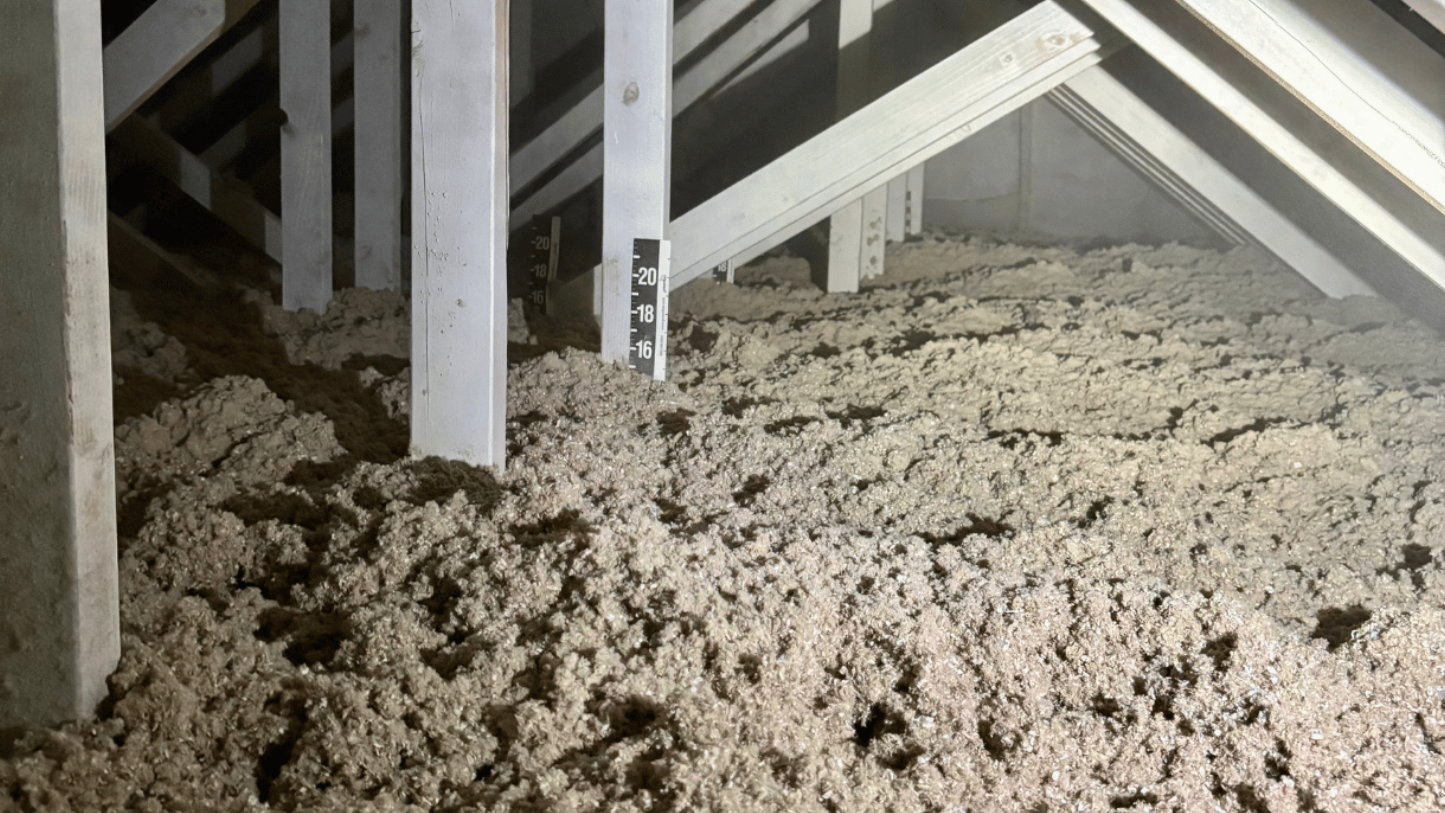
If you see loose, pebble-like insulation in your attic, there is a strong possibility it is vermiculite.
Much of the vermiculite distributed nationwide between the 1920s and 1990 originated from a contaminated mine in Libby, Montana.
Because asbestos contamination was common in that supply, federal agencies recommend treating vermiculite attic insulation as if it may contain asbestos.
An asbestos inspection can:
- Confirm presence
- Document findings
- Support regulatory compliance
- Help determine removal scope
If vermiculite is discovered during a home inspection or energy audit, schedule a certified asbestos inspection immediately.
4. Schedule an Inspection Before Selling Your Home
In Spokane’s real estate market, vermiculite or suspected asbestos often appears during buyer inspections.
If you already know older materials are present, scheduling an inspection before listing your home can:
- Avoid surprises
- Strengthen negotiating position
- Provide documentation
- Speed up closing
- Prevent last-minute price reductions
Buyers often request asbestos testing if vermiculite or older materials are visible.
Being prepared gives you leverage.
5. Schedule an Inspection If You Accidentally Disturb Suspected Asbestos
If you:
- Cut into old flooring
- Tear into textured ceilings
- Disturb attic insulation
- Remove drywall in an older home
Stop work immediately and schedule an asbestos inspection.
Disturbance increases risk because fibers can become airborne.
An inspection at this stage helps determine:
- If contamination occurred
- Whether remediation is necessary
- What containment steps are required
The faster you address it, the lower the risk of spreading fibers throughout the home.
6. Schedule an Inspection Before Demolition Projects
In Spokane County, demolition projects require an asbestos survey prior to permit issuance.
Even small structural demolition — such as removing a detached garage — may trigger inspection requirements.
The Spokane Regional Clean Air Agency requires proper documentation before demolition to prevent airborne asbestos exposure.
If you’re planning:
- Full home demolition
- Partial structural tear-out
- Garage removal
- Commercial building demolition
An asbestos inspection is mandatory.
7. Schedule an Inspection Before Upgrading Attic Insulation
Many Spokane homeowners pursue energy efficiency upgrades.
However, adding new insulation over vermiculite without inspection can create complications.
Before:
- Air sealing
- Blowing in cellulose
- Installing fiberglass
- Performing attic conversions
You should confirm whether vermiculite is present.
If it is, removal may be required before proceeding.
Insulation contractors cannot legally or safely disturb asbestos-containing material without proper certification.
What Is an AHERA Asbestos Inspection?
AHERA stands for the Asbestos Hazard Emergency Response Act.
An AHERA-certified inspector is trained to:
- Identify suspect materials
- Collect samples safely
- Follow chain-of-custody procedures
- Submit samples to accredited labs
- Provide written reports
In Washington State, asbestos inspectors must meet certification standards set by Labor & Industries (L&I).
An AHERA inspection provides official documentation that protects homeowners and contractors alike.
What Happens During an Asbestos Inspection?
A professional asbestos inspection in Spokane typically includes:
- Visual survey of suspect materials
- Identification of potential asbestos-containing materials
- Safe sample collection
- Laboratory analysis
- Written report with findings
The report will identify:
- Material type
- Location
- Condition
- Whether asbestos is present
- Recommendations
This document becomes critical for regulatory filings and renovation planning.
What Agencies Oversee Asbestos in Spokane?
Several agencies regulate asbestos-related activities:
- Spokane Regional Clean Air Agency (SRCAA)
- Washington State Department of Labor & Industries (L&I)
- U.S. Environmental Protection Agency (EPA)
- Washington Department of Ecology
Each agency plays a role in protecting:
- Air quality
- Worker safety
- Public health
- Proper disposal practices
Scheduling inspection early ensures compliance with all regulatory bodies.
What Happens If You Skip an Asbestos Inspection?
Skipping inspection can lead to:
- Project shutdowns
- SRCAA fines
- Contamination cleanup costs
- Increased renovation expenses
- Real estate complications
- Health exposure
If asbestos is discovered mid-project, everything stops.
Containment must be installed retroactively — which is significantly more expensive.
Planning ahead saves time and money.
How Long Does an Asbestos Inspection Take?
Most residential asbestos inspections in Spokane can be completed within:
- 1–2 hours onsite
- Lab results in 2–5 business days
Rush services may be available if your renovation timeline is tight.
It’s best to schedule inspection early in project planning to avoid delays.
Cost of an Asbestos Inspection in Spokane
Inspection costs vary based on:
- Size of home
- Number of samples required
- Accessibility of materials
While prices vary, the cost of inspection is small compared to the potential expense of non-compliant removal or contamination cleanup.
Consider inspection an investment in certainty.
Who Needs an Asbestos Inspection in Spokane?
You likely need one if:
- Your home was built before 1990
- You are planning renovation or demolition
- Vermiculite insulation is present
- You’re preparing to sell
- You disturbed suspect material
- A contractor requests documentation
If you’re unsure, it’s better to ask before proceeding.
When Is an Inspection NOT Necessary?
If:
- Your home was built recently (post-1990)
- You are not disturbing building materials
- There are no suspect materials present
Inspection may not be necessary.
However, when in doubt — verify.
The cost of clarity is minimal compared to the cost of mistakes.
Final Thoughts: When to Schedule an Asbestos Inspection in Spokane
Schedule an asbestos inspection in Spokane:
- Before renovations
- Before demolition
- Before attic insulation upgrades
- If vermiculite is discovered
- Before listing older homes
- After accidental disturbance
Asbestos isn’t something to guess about.
Proper inspection provides:
- Documentation
- Regulatory compliance
- Health protection
- Project clarity
- Financial security
If your Spokane home was built before 1990 and you’re planning any construction activity, the safest next step is scheduling an asbestos inspection.
Better to know before you tear into walls.
Click Here: to schedule an inspection.
Follow us