Is Vermiculite in Spokane Homes Dangerous?
Does Vermiculite Insulation Contain Asbestos in Spokane Homes?
If you’ve discovered loose, pebble-like insulation in your attic, you’re probably asking the most important question first:
Does vermiculite insulation contain asbestos in Spokane homes?
The short answer:
It might — and it should be treated as if it does until proven otherwise.
In Spokane County, many homes built before 1990 contain vermiculite attic insulation. A large portion of that material originated from a mine in Libby, Montana that was later found to be contaminated with asbestos.
Understanding the risk, the history, and the regulatory requirements can help you make the right decision for your home and your family.
What Is Vermiculite Insulation?
Vermiculite is a naturally occurring mineral that expands when heated. When processed, it becomes lightweight, fire-resistant, and absorbent — which made it popular as attic insulation throughout much of the 20th century.
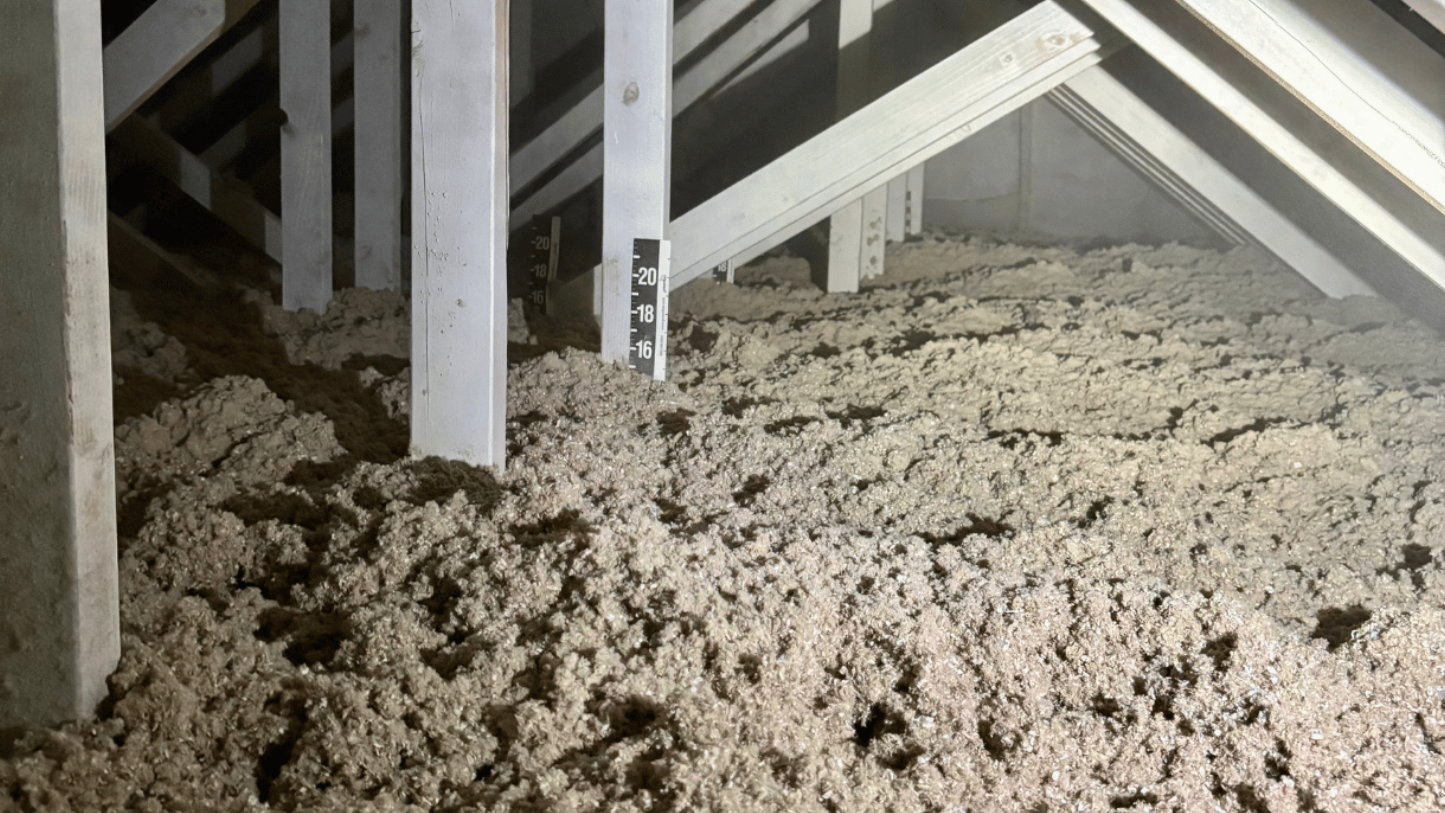
In homes, vermiculite insulation typically appears as:
- Small pebble-like granules
- Gray, brown, or gold in color
- Lightweight and flaky
- Poured loosely between attic joists
Unlike fiberglass batts or blown cellulose, vermiculite insulation is usually loose-fill and unevenly distributed.
Why Vermiculite and Asbestos Are Connected
The concern stems from one primary source:
The Libby, Montana vermiculite mine.
From the 1920s until 1990, a large percentage of vermiculite sold in the United States came from that single mine. Unfortunately, the ore deposit there was naturally contaminated with a type of amphibole asbestos.
As a result, vermiculite insulation distributed nationwide during those decades may contain asbestos fibers.
That includes insulation installed in Spokane homes.
Spokane Homes Most Likely to Contain Vermiculite
If your home was built or insulated between:
1920 and 1990
There is a reasonable chance vermiculite may be present.
In Spokane County, we frequently see vermiculite in:
- North Spokane mid-century homes
- Spokane Valley properties built in the 1950s–1970s
- Older South Hill homes
- Rural homes insulated decades ago
Because Spokane experienced significant residential growth during those years, vermiculite insulation is not uncommon.
Does All Vermiculite Contain Asbestos?
No — but enough of it does that federal agencies recommend assuming it may be contaminated.
Testing vermiculite is complicated because asbestos fibers may not be evenly distributed throughout the material. A sample could test negative even if asbestos is present elsewhere in the attic.
For that reason, many professionals treat vermiculite attic insulation as asbestos-containing material (ACM) for safety and compliance purposes.
Why Asbestos in Vermiculite Is Dangerous
Asbestos becomes hazardous when fibers become airborne and are inhaled.
Disturbing vermiculite insulation — even by walking through it — can release microscopic fibers into the air.
Health risks associated with asbestos exposure include:
- Mesothelioma
- Lung cancer
- Asbestosis
- Pleural disease
The danger increases when:
- Renovating attics
- Installing new HVAC systems
- Running electrical wiring
- Removing insulation improperly
- Shop-vacuuming or sweeping material
It’s not the presence alone that creates risk.
It’s the disturbance.
Is It Safe to Live in a Home With Vermiculite?
If the vermiculite insulation:
- Is undisturbed
- Is contained within the attic
- Is not being accessed or renovated
The immediate risk may be low.
However, any future remodeling or attic work will trigger concerns.
Many Spokane homeowners discover vermiculite during:
- Home inspections
- Energy audits
- Real estate transactions
- Insulation upgrades
Once discovered, it becomes part of the home’s documented condition.
What Spokane Clean Air Requires
In Spokane County, asbestos-related work falls under the authority of the Spokane Regional Clean Air Agency (SRCAA).
When vermiculite is treated as asbestos-containing material, removal typically requires:
- A certified asbestos inspection (AHERA inspection)
- Filing a Notice of Intent (NOI)
- Following regulated work practices
- Proper containment procedures
- Approved disposal at authorized landfill
Failure to comply can result in penalties.
This is why professional vermiculite removal differs significantly from standard insulation removal.
What Is an AHERA Asbestos Inspection?
AHERA stands for Asbestos Hazard Emergency Response Act.
An AHERA-certified inspector is trained to identify asbestos-containing building materials and conduct proper sampling procedures.
In Spokane, an asbestos survey is often required before renovation or demolition projects.
If vermiculite is present, documentation becomes critical before proceeding.
How Vermiculite Becomes a Problem During Renovation
Many Spokane homeowners don’t think about vermiculite until they:
- Upgrade attic insulation
- Install recessed lighting
- Replace roofing
- Add ventilation
- Remodel upstairs rooms
Any of these activities can disturb vermiculite and release fibers.
Once fibers enter living spaces or HVAC systems, cleanup becomes significantly more complicated and costly.
Preventing contamination is far easier than correcting it.
Can You Remove Vermiculite Yourself in Spokane?
Technically, homeowners can remove insulation from their own property.
However, when asbestos may be involved, DIY removal introduces serious risks:
- Health exposure
- Cross-contamination
- Improper disposal
- Real estate disclosure issues
- Potential regulatory penalties
Improper removal can also increase long-term liability if contamination spreads.
Professional removal includes:
- Containment barriers
- Negative air machines
- HEPA filtration
- Proper bagging and labeling
- Approved landfill disposal
- Documentation trail
Those safeguards exist for a reason.
Does Vermiculite Affect Home Value in Spokane?
It can.
When vermiculite is identified during a home inspection:
- Buyers may request removal
- Lenders may raise concerns
- Negotiations may shift
Some homeowners choose removal before listing to simplify the transaction process.
Others negotiate price adjustments.
Either way, vermiculite becomes part of the conversation once discovered.
Encapsulation vs Removal
Some homeowners ask whether encapsulating vermiculite is sufficient.
Encapsulation may reduce disturbance risk temporarily, but:
- It does not eliminate asbestos liability
- It complicates future renovations
- It may not satisfy buyers or lenders
Removal permanently resolves the issue.
In many Spokane homes, removal is the long-term solution.
What Does Vermiculite Removal Involve?
When treated as asbestos-containing material, removal generally includes:
- Inspection and documentation
- Filing Notice of Intent with Spokane Clean Air
- Setting up containment with 6-mil poly
- Establishing negative air pressure
- Controlled removal procedures
- Sealed waste packaging
- Transport to approved landfill
- Final HEPA cleaning
The attic can then be safely re-insulated.
How Much Does Vermiculite Removal Cost in Spokane?
Costs vary depending on:
- Attic size
- Depth of material
- Accessibility
- Containment complexity
Typical projects range widely, but professional removal reflects regulatory compliance and safety standards.
If cost is a concern, the best step is obtaining a detailed inspection and written estimate.
Should You Test Vermiculite for Asbestos?
Testing can be useful for documentation purposes.
However, because asbestos may not be evenly distributed, a negative test does not guarantee the entire attic is asbestos-free.
Many professionals recommend assuming vermiculite contains asbestos and proceeding accordingly.
That conservative approach prioritizes safety.
Signs You Should Call a Professional
Contact a qualified contractor if:
- You see loose pebble-like insulation in attic
- Your home was built before 1990
- You are planning attic renovations
- An inspector identified vermiculite
- You accidentally disturbed attic insulation
Avoid disturbing the material while waiting for inspection.
Final Answer: Does Vermiculite Insulation Contain Asbestos in Spokane Homes?
It can.
Because much of the vermiculite used across the United States originated from a contaminated source, Spokane homes built before 1990 may contain asbestos within vermiculite insulation.
Not all vermiculite contains asbestos.
But enough does that caution is necessary.
The real risk comes from disturbance — not from untouched material.
If you suspect vermiculite in your attic, the safest approach is:
- Do not disturb it
- Schedule proper inspection
- Follow Spokane Clean Air guidelines
- Use certified professionals if removal is required
Addressing vermiculite correctly protects:
- Your health
- Your home value
- Your renovation plans
- Your future buyers
In Spokane County, understanding vermiculite insulation isn’t about panic.
It’s about informed action.
Follow us