Spokane Areas Commonly Finding Vermiculite
Where are homes containing Vermiculite commonly found?
The most important factor in identifying homes likely to contain vermiculite is construction date.
Homes built or insulated between:
1920 and 1990
are most likely to contain vermiculite attic insulation.
This includes:
- Post-war housing developments
- Mid-century suburban homes
- Rural farmhouses updated mid-century
- Early Spokane neighborhood expansions
If your home falls within this timeframe and still has original insulation, vermiculite is possible.
2. Mid-Century Homes in Established Spokane Neighborhoods
In Spokane County, vermiculite is commonly found in:
- North Spokane neighborhoods developed in the 1940s–1960s
- Spokane Valley homes built during suburban growth
- South Hill properties constructed mid-century
- Older homes near downtown Spokane
These areas experienced significant residential expansion during the decades when vermiculite insulation was widely available and affordable.
Because Spokane winters are cold, attic insulation was a priority. Vermiculite was marketed as fire-resistant and effective — which increased its popularity.
3. Homes That Had Insulation Upgrades in the 1950s–1970s
Even if your home was built before 1920, vermiculite may have been added later.
Many older Spokane homes received insulation upgrades during:
- The post-war housing boom
- The 1960s energy awareness movement
- The 1970s energy crisis
Contractors often used loose-fill vermiculite during retrofits because it could be poured into existing attic spaces without major structural changes.
That means pre-1920 homes aren’t automatically exempt.
4. Rural Homes and Farm Properties
Vermiculite is not limited to city neighborhoods.
In Spokane County, rural homes in areas such as:
- Mead
- Deer Park
- Cheney
- Medical Lake
- Airway Heights
- Unincorporated Spokane County
may also contain vermiculite insulation.
Because rural homes often used whatever materials were widely distributed and affordable at the time, vermiculite was a common choice.
Additionally, rural homes that haven’t undergone major renovations are more likely to still have original attic insulation intact.
5. Homes With Loose-Fill Attic Insulation
The easiest way to identify potential vermiculite presence is visual.
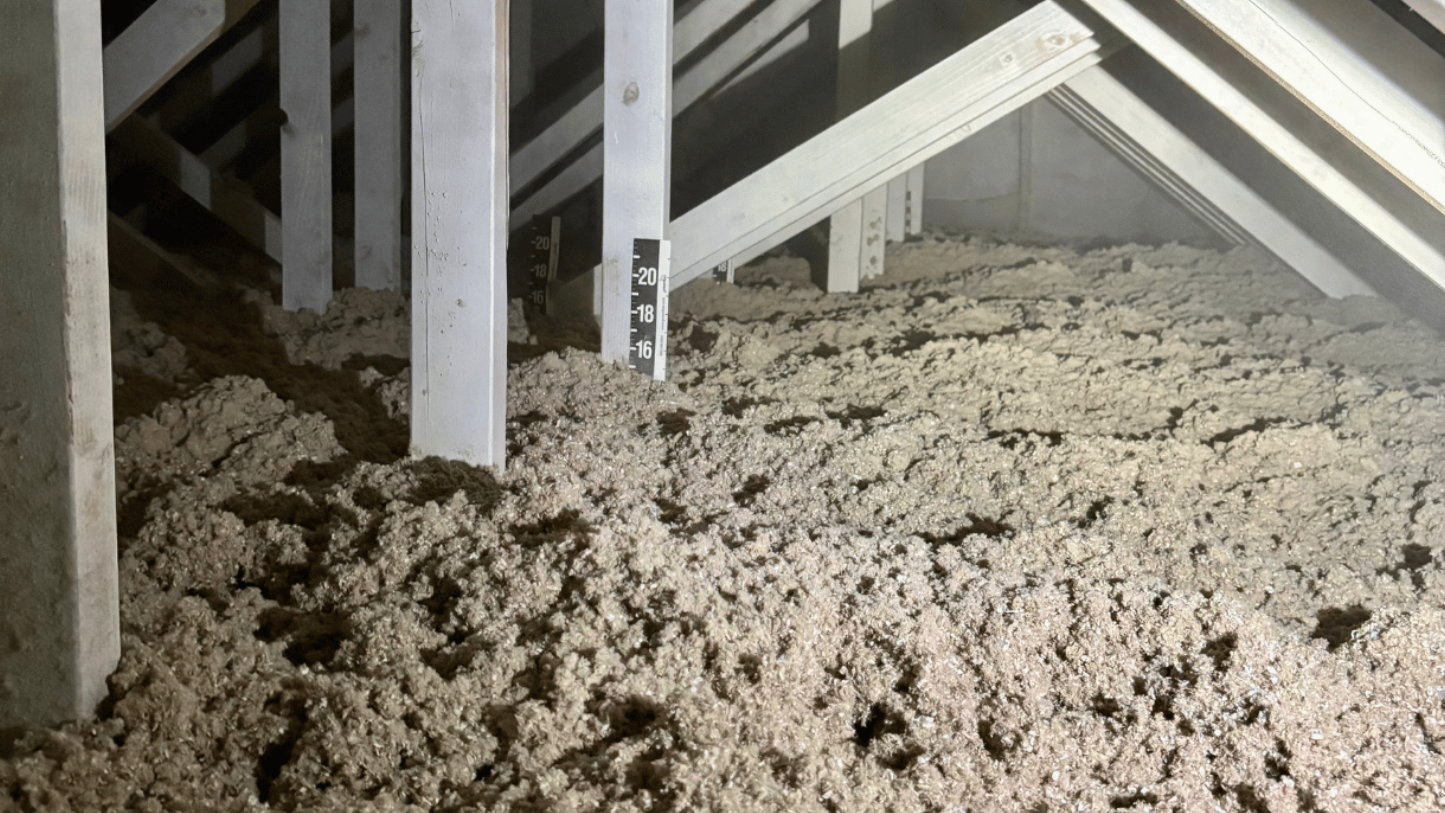
Vermiculite is almost always found in attics as loose-fill insulation.
It is rarely found:
- Inside wall cavities (unless migrated)
- Under floors
- In basements
If you open your attic and see small pebble-like granules rather than pink fiberglass batts or dense cellulose, vermiculite may be present.
6. Homes With Zonolite Brand Insulation
Zonolite was one of the most widely distributed vermiculite products in the United States.
If you find:
- Old paper bags labeled Zonolite
- Insulation packaging in attic storage
- Documentation from previous homeowners
There is a strong likelihood the insulation originated from the Libby, Montana supply.
Because much of Zonolite came from that source, it is often assumed to contain asbestos unless proven otherwise.
7. Homes That Have Never Had Attic Insulation Removed
Many Spokane homes still contain original insulation simply because:
- It hasn’t caused visible issues
- It hasn’t been disturbed
- It’s hidden in attic spaces
If no attic insulation removal or major renovation has occurred in decades, vermiculite may still be present.
Homes that have undergone full attic cleanouts and modern re-insulation are less likely to contain it — but visual inspection is the only way to confirm.
8. Properties Discovered During Real Estate Transactions
In Spokane’s housing market, vermiculite is often discovered during:
- Pre-listing inspections
- Buyer home inspections
- Energy efficiency assessments
- VA or FHA loan inspections
Many homeowners don’t know vermiculite is present until a buyer’s inspector flags it.
If you’re preparing to sell a home built before 1990, checking for vermiculite beforehand can prevent surprises.
9. Homes With Partial Insulation Mixes
Some Spokane attics contain mixed insulation layers.
For example:
- Vermiculite on bottom
- Fiberglass blown over top
- Cellulose added later
This can happen when insulation upgrades were performed without removing original material.
Mixed insulation does not eliminate vermiculite risk. In fact, it can make identification more difficult.
If you see layered insulation, professional evaluation may be necessary.
Why Vermiculite Matters Today
The reason homeowners ask where vermiculite is commonly found is because of its association with asbestos contamination.
Asbestos becomes dangerous when fibers become airborne.
Disturbing vermiculite during:
- Attic renovations
- Electrical upgrades
- Roofing replacements
- HVAC installations
can release fibers into living spaces.
The material itself isn’t automatically dangerous while undisturbed — but once work begins, risk increases.
Should Spokane Homeowners Be Concerned?
Concern doesn’t mean panic.
If vermiculite is:
- Undisturbed
- Contained within attic
- Not being accessed
Immediate risk may be low.
However, before:
- Renovating
- Demolishing
- Upgrading insulation
- Selling
you should understand whether vermiculite is present.
Knowledge allows you to plan safely.
How to Confirm Whether Your Home Contains Vermiculite
If your home was built before 1990 and you suspect vermiculite:
- Visually inspect attic without disturbing material
- Avoid walking directly through insulation
- Do not sweep or vacuum
- Schedule a certified asbestos inspection if needed
Testing vermiculite can be complex because asbestos fibers may not be evenly distributed.
Many professionals treat vermiculite as potentially asbestos-containing material for safety.
What to Do If You Discover Vermiculite
If vermiculite is confirmed:
- Avoid disturbing it
- Do not attempt DIY removal
- Consult a licensed asbestos professional
- Follow Spokane Regional Clean Air guidelines
Removal typically involves:
- Containment
- Negative air pressure
- HEPA filtration
- Proper disposal at approved landfill
Compliance protects both health and property value.
Common Spokane Areas Where Vermiculite Is Found
Based on housing age and development trends, vermiculite is commonly found in:
- North Spokane mid-century neighborhoods
- Spokane Valley 1950s–1970s homes
- South Hill older properties
- Rural Spokane County homes insulated decades ago
It is less common in homes built after 1990, though exceptions exist.
Final Thoughts: Where Are Homes Containing Vermiculite Commonly Found?
Homes most likely to contain vermiculite insulation:
- Built or insulated between 1920–1990
- Located in established Spokane neighborhoods
- Rural properties with original attic insulation
- Homes with loose-fill attic insulation
- Houses with no major attic renovations
If your Spokane home fits these characteristics, a simple attic check can provide clarity.
Vermiculite isn’t rare in older homes — but it’s manageable when handled properly.
The key is awareness before renovation, resale, or insulation upgrades.
Follow us