Vermiculite Removal Process in Spokane County (Step-by-Step)
What does the vermiculite removal process look like in Spokane County?
Because vermiculite is commonly associated with asbestos contamination, removal is not the same as standard insulation removal. In Spokane County, vermiculite removal intersects with local clean air regulations, Washington State labor rules, and federal asbestos handling standards.
This step-by-step guide explains:
- What happens before removal begins
- Required inspections and regulatory filings
- Containment procedures
- How vermiculite is safely removed
- Disposal requirements
- What happens after the attic is cleared
If you’re planning renovations, selling your home, or upgrading insulation, understanding the process will help you plan correctly.
Step 1: Identify Vermiculite Insulation
The process begins with identification.
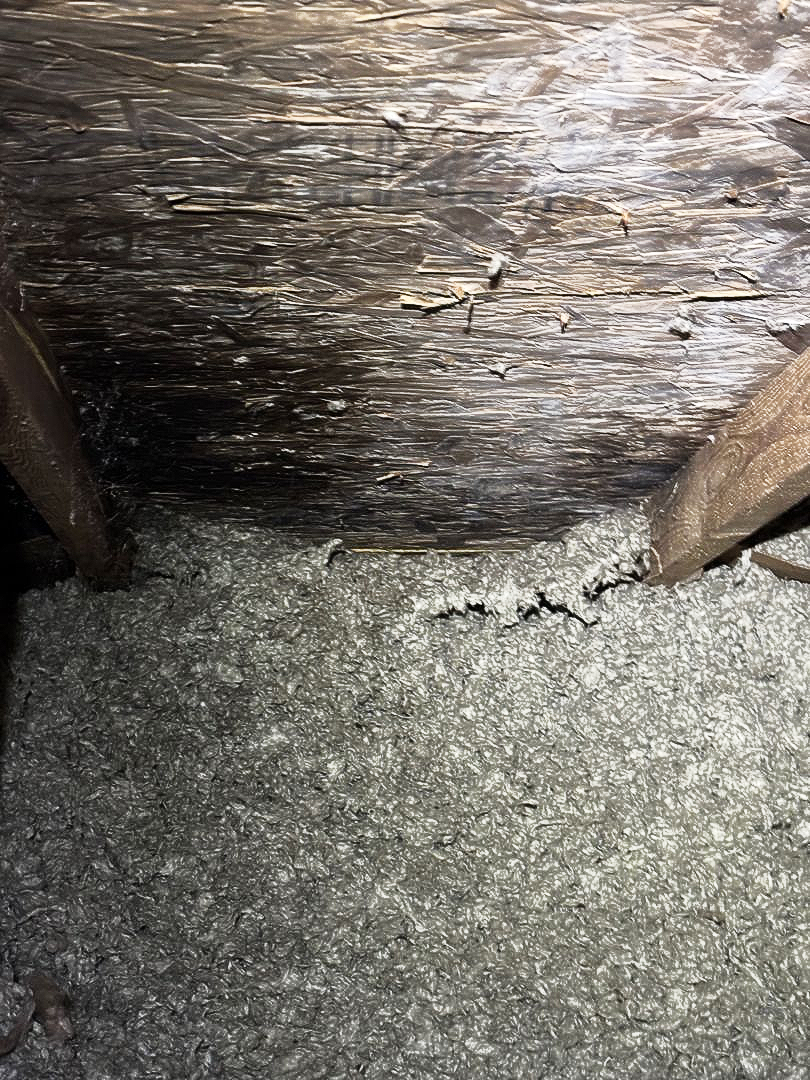
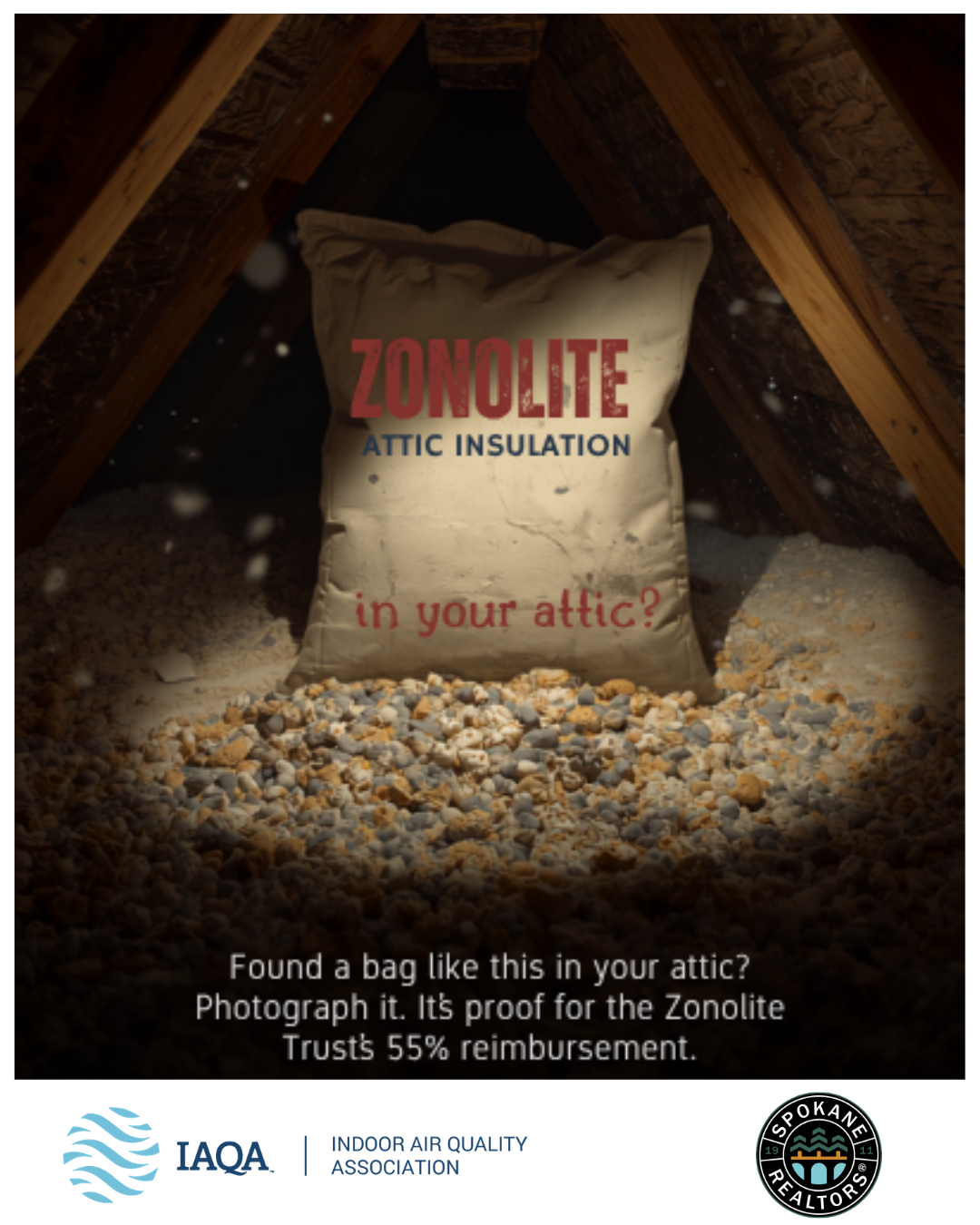
Vermiculite insulation typically appears as:
- Loose, pebble-like granules
- Gray, silver, brown, or gold in color
- Lightweight and flaky
- Poured between attic joists
It was commonly installed in homes built or insulated between 1920 and 1990.
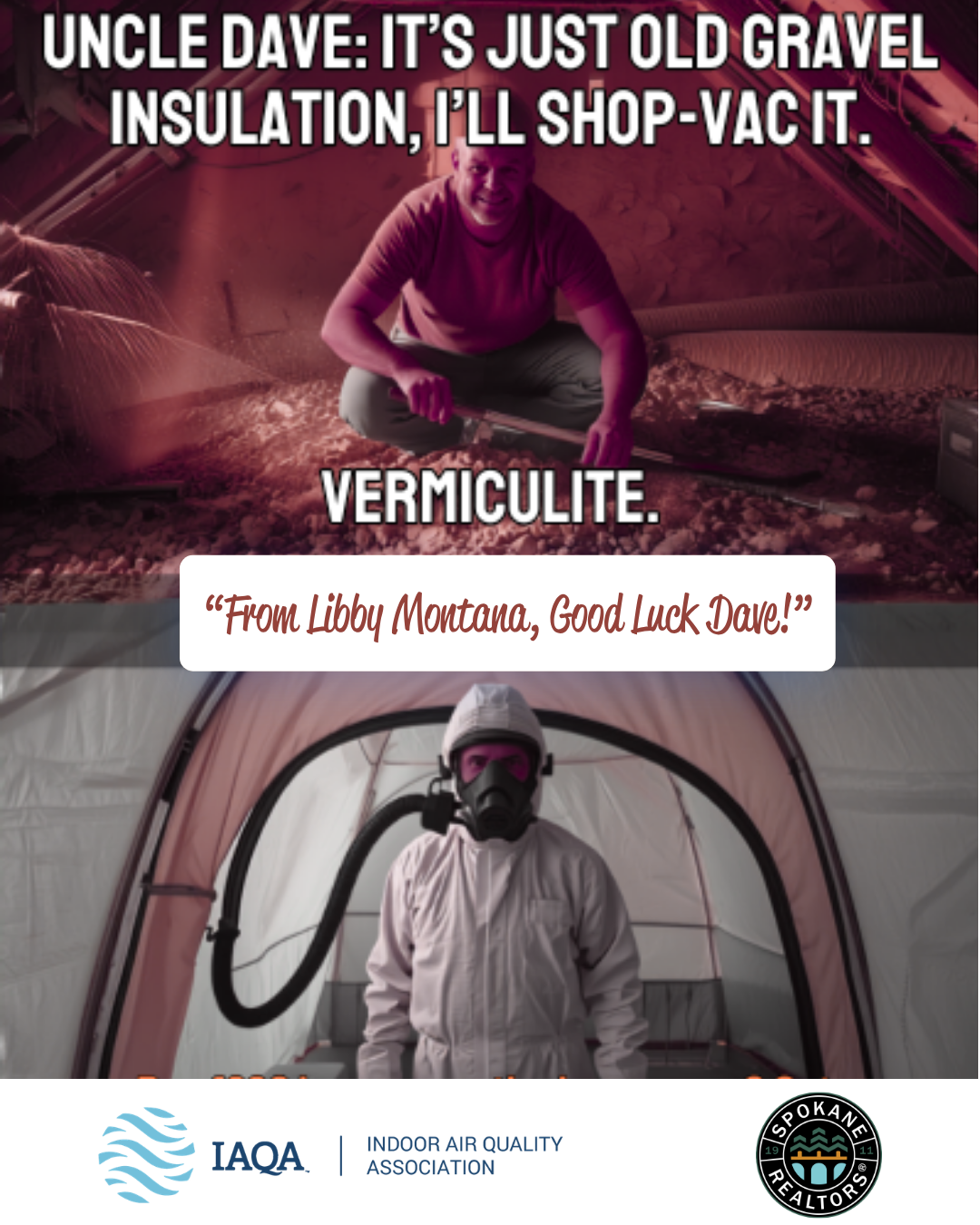
If vermiculite is suspected, do not disturb it. Walking through it, sweeping it, or vacuuming it can release fibers if asbestos is present.
The safest first step is documentation.
Step 2: Schedule an AHERA Asbestos Inspection
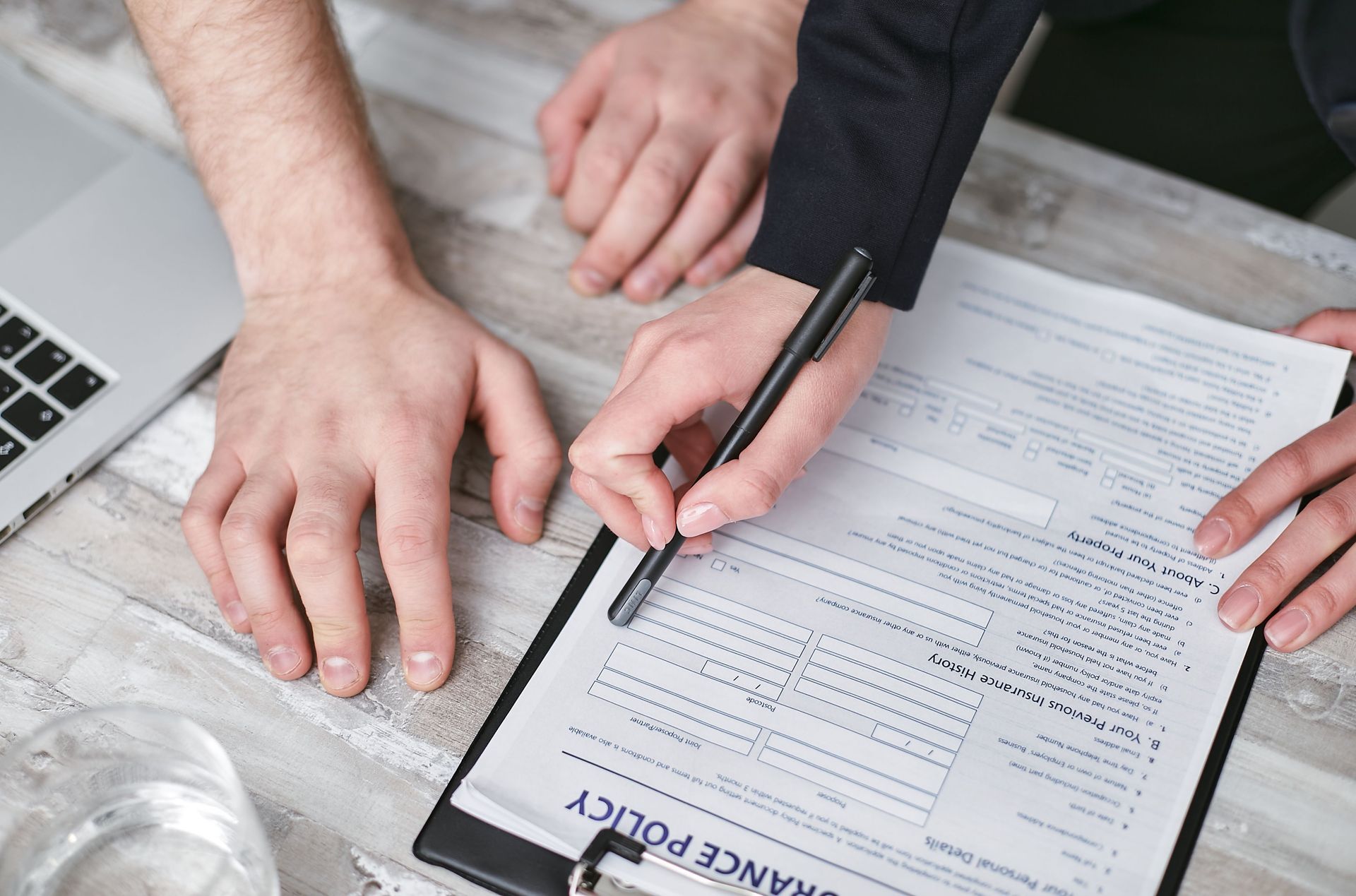
In Spokane County, an asbestos inspection is often required before renovation or demolition work.
An AHERA-certified inspector will:
- Visually inspect attic materials
- Collect samples (if necessary)
- Send samples to accredited laboratory
- Provide written documentation
Because asbestos contamination may not be evenly distributed in vermiculite, some professionals recommend treating vermiculite as asbestos-containing material (ACM) regardless of testing.
Inspection documentation protects:
- Homeowners
- Contractors
- Real estate transactions
- Renovation permits
Skipping this step can delay projects later.
Step 3: File a Notice of Intent (NOI) with Spokane Clean Air
If vermiculite removal is treated as asbestos removal, a Notice of Intent (NOI) must be filed with the Spokane Regional Clean Air Agency (SRCAA).
This filing typically includes:
- Project location
- Description of materials
- Estimated quantity
- Scheduled start date
- Contractor certification information
In many cases, a waiting period applies before work can begin.
This regulatory step ensures:
- Public safety
- Proper oversight
- Compliance with local clean air standards
Failure to file properly can result in fines or project shutdown.
Step 4: Develop a Containment Plan
Before any material is removed, a containment strategy must be established.
Containment protects:
- Occupants
- Workers
- Adjacent rooms
- HVAC systems
- Air quality
Containment planning considers:
- Attic access location
- Ceiling penetrations
- Ductwork openings
- Structural gaps
Every attic layout is different, so containment must be customized.
Step 5: Install Containment Barriers
On removal day, containment is constructed.
This usually includes:
- 6-mil polyethylene sheeting
- Sealing attic access hatch
- Isolating work area
- Sealing vents and penetrations
- Creating controlled entry and exit points
In many projects, a negative air pressure system is installed using HEPA-filtered air machines.
Negative air machines ensure airflow moves inward toward the work area rather than outward into living space.
This is a critical safety component.
Step 6: Worker Safety Protocol
Certified asbestos workers must follow strict safety procedures.
These typically include:
- Protective suits
- Respirators
- Gloves and boot covers
- Decontamination procedures
Worker certification is regulated under Washington State Labor & Industries (L&I).
Using trained personnel reduces:
- Fiber release
- Cross-contamination
- Regulatory risk
This is not standard insulation labor. It requires specialized training.
Step 7: Controlled Removal of Vermiculite
Once containment and safety measures are in place, removal begins.
Key elements of controlled removal include:
- Wet methods to minimize airborne fibers
- Careful handling to avoid disturbance
- Controlled transfer into sealed containers
- Avoiding aggressive sweeping or blowing
Vermiculite is typically removed using specialized equipment designed for containment environments.
Material is transferred directly into approved disposal bags or wrapping.
The goal is minimizing fiber release at every step.
Step 8: Proper Bagging and Labeling
Asbestos-containing waste must be:
- Adequately wetted
- Placed in leak-tight containers
- Double-bagged or wrapped
- Clearly labeled
Improper packaging can result in disposal refusal at landfill facilities.
Each bag must meet federal and state requirements.
Documentation often includes:
- Waste shipment records
- Project identification
- Disposal site confirmation
This paperwork becomes part of your compliance trail.
Step 9: Transport to Approved Disposal Facility
Asbestos-containing vermiculite must be transported to an approved landfill.
Disposal requirements include:
- Secured load during transport
- Approved receiving facility
- Proper documentation submission
In Spokane County, disposal must comply with both federal NESHAP standards and local regulations.
Improper dumping or unapproved landfill use can result in severe penalties.
Professional contractors handle this logistics process.
Step 10: HEPA Cleaning of Attic Space
After bulk material removal, the attic is thoroughly cleaned.
This includes:
- HEPA vacuuming
- Surface wiping
- Removal of debris
- Inspection of joists and decking
HEPA filtration is critical because standard shop vacuums cannot capture microscopic asbestos fibers.
The goal is leaving the attic free of residual contamination before containment is removed.
Step 11: Visual Inspection and Clearance
Depending on project scope, additional inspection may occur.
This can include:
- Visual clearance inspection
- Optional air monitoring
- Documentation of completion
Clear documentation is particularly important if:
- The home is being sold
- Renovation permits are involved
- Lender documentation is required
Proof of proper removal protects long-term property value.
Step 12: Remove Containment
Once the area passes inspection, containment barriers are carefully removed.
Containment removal must be controlled to avoid releasing any residual particles.
Final cleaning is often performed before reopening attic access.
At this stage, the attic is ready for upgrades.
Step 13: Re-Insulate the Attic
After vermiculite removal, most Spokane homeowners proceed with modern insulation installation.
Common replacement options include:
- Blown-in fiberglass
- Dense-pack cellulose
- Hybrid systems
Many homeowners also choose to:
- Air seal attic penetrations
- Improve ventilation
- Upgrade energy performance
Removing vermiculite creates an opportunity to modernize insulation for long-term efficiency.
How Long Does Vermiculite Removal Take?
Typical project timeline:
- Inspection scheduling: 1–5 days
- NOI waiting period (if required): often up to 10 days
- Removal work: 2–5 days depending on attic size
- Disposal documentation: concurrent with removal
Every project differs based on attic complexity and regulatory timing.
Planning ahead prevents delays.
Why Professional Removal Matters
DIY vermiculite removal may seem tempting.
However, improper removal can lead to:
- Contamination of living space
- HVAC fiber spread
- Regulatory fines
- Real estate complications
- Increased remediation costs
Professional removal ensures:
- Regulatory compliance
- Worker certification
- Proper containment
- Safe disposal
- Documentation
This protects both health and financial investment.
Common Questions About Vermiculite Removal in Spokane
Do all vermiculite projects require filing with Spokane Clean Air?
If treated as asbestos-containing material, filing is typically required. Always verify before beginning work.
Is vermiculite dangerous if left alone?
Undisturbed vermiculite may present low immediate risk, but renovation increases exposure potential.
Does removal increase home value?
Removal often simplifies resale and increases buyer confidence.
Final Thoughts: Vermiculite Removal Process in Spokane County
The vermiculite removal process in Spokane County is structured, regulated, and safety-focused.
It includes:
- Inspection
- Regulatory filing
- Containment
- Certified removal
- Proper disposal
- Final cleaning and documentation
It is not a simple insulation project.
It is a compliance-driven safety procedure designed to protect:
- Occupants
- Workers
- Air quality
- Property value
If vermiculite insulation is present in your Spokane attic, the smartest approach is to plan carefully, follow regulatory guidelines, and use certified professionals.
Addressed correctly, vermiculite removal clears the way for safe renovations, improved energy efficiency, and smoother real estate transactions.
Follow us