Your Insurance Offer Doesn't Cover the Insulation Replacement. Now What?
Insurance Lowball Estimate

Since the Old Trails, Autumn Lane, and Fairview fires, we've been handing a lot of Spokane homeowners a written estimate for smoke-damaged insulation removal and replacement. A week or two later, a good number of them call back with the same question: "The adjuster came back with about half of that. Is that normal, and do I have to take it?"
It's common. And no, you usually don't have to take it.
This post walks through why insurance offers on contaminated insulation come in low, what's actually in your policy, and the steps that move the number. This is practical advice from a contractor who deals with adjusters every week, not legal advice. For anything beyond a negotiation, talk to a Washington-licensed public adjuster or attorney.
Why the offer comes in low
Most low offers on attic insulation aren't the adjuster being difficult. They come from a handful of predictable places.
They priced it as an insulation job, not a contamination job. A desk adjuster's software (usually Xactimate) has a line item for "blown-in insulation, remove and replace." That line assumes clean material going into a dumpster. It doesn't include containment, negative air, HEPA vacuuming, supplied-air respirators, odor sealing, or disposal of contaminated material. Smoke, mold, and rodent-contaminated insulation are a remediation job that happens to involve insulation, and the pricing has to reflect that.
They scoped it from the ground. If nobody actually went into the attic, the square footage, depth, and contamination extent are guesses. Guesses go low.
They paid Actual Cash Value, not Replacement Cost. This is the big one, and it's covered below.
They missed the vermiculite. If your attic has vermiculite, it's handled as asbestos-containing, and the cost roughly doubles. Many adjusters don't recognize it or don't know it changes the protocol.
They excluded the cause. Some policies limit or exclude mold, rodent, or "gradual" damage. Smoke from a wildfire is almost always a covered peril, but mold that grew because of a slow roof leak may not be. Read the denial reason carefully; a low offer and a partial exclusion are different problems.
ACV vs. Replacement Cost: read this before you cash the check
Most Washington homeowner policies pay replacement cost (RCV), but they pay it in two pieces.
The first check is Actual Cash Value: the replacement cost minus depreciation. For 20-year-old insulation, depreciation can be steep, so the first check might be 40–60% of the estimate.
The second piece, the "recoverable depreciation" or "holdback," is paid after you actually complete the work and submit the invoice. There's usually a deadline to do this, often 180 days to a year from the date of loss, and it's in your policy.
So before you assume you've been lowballed, check the adjuster's worksheet for these three numbers: RCV, depreciation, and ACV. If the RCV matches your contractor's estimate and you were simply paid ACV up front, you're not being shorted. You just need to get the work done and send in the final invoice to collect the rest.
If the RCV itself is less than what it costs to do the job right, keep reading.
Step 1: Get the adjuster's estimate in writing, line by line
You're entitled to it. Ask for the full Xactimate (or equivalent) printout, not the summary page. You're looking for what was left out: containment, air scrubbers, HEPA cleaning of the attic floor and framing, odor encapsulant, asbestos protocol, disposal fees, air sealing, and the reinstall to the R-value the current code calls for.
Put their line items next to your contractor's line items. The gap is almost always specific and nameable, and naming it is most of the negotiation.
Step 2: Get a contractor estimate that's built for an adjuster
A one-line "remove and replace attic insulation, $X" estimate won't move an adjuster. A good remediation estimate includes:
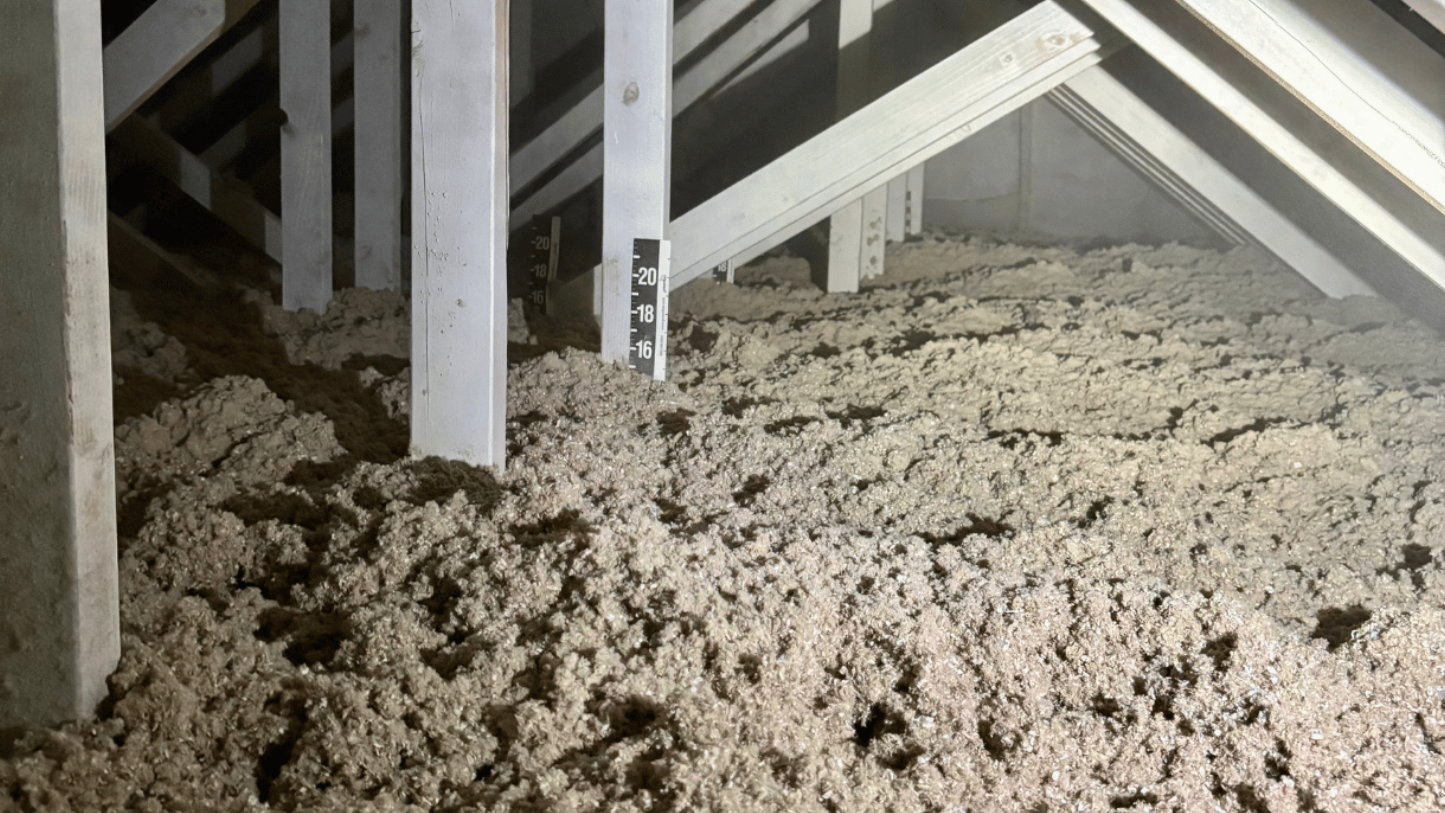
- Attic square footage and current insulation depth and type, measured in the attic
- Photos of the contamination (ash film, soot on framing, mold, droppings)
- An inspection report stating the cause and extent
- Separate line items for containment, removal, disposal, HEPA cleaning, sealing, air sealing, and reinstallation
- The protocol (asbestos abatement for vermiculite, IICRC-style procedures for mold and smoke)
- Lab results if applicable (asbestos bulk sample, mold air or surface sample)
When we write insurance estimates, we write them in this format specifically because the adjuster can match it against their own software. Most of the time, the revised offer shows up within a couple of weeks once they can see what they missed.
Step 3: Ask for a re-inspection, and be there
Request that an adjuster physically inspect the attic, and have your contractor meet them. Nearly every low offer we've seen corrected got corrected on a re-inspect, when someone pointed a flashlight at the ash layer and said "that's why there's a HEPA line item."
If the first adjuster was a desk adjuster or an independent adjuster working a catastrophe event (very common after the August fires), asking for a field adjuster or a supervisor review is normal and not adversarial.
Step 4: Put your disagreement in writing
A short, calm letter or email does more than ten phone calls. Include:
- Your claim number and date of loss
- The specific line items you believe are missing or underpriced
- Your contractor's estimate and inspection report
- A request for a revised estimate and a written explanation of any items they still won't cover
Washington insurers are required to respond to claim correspondence within set timeframes and to explain the basis for what they pay and don't pay. Keep a log of every call: date, who you spoke with, and what they said.
Step 5: Use the appraisal clause
Most homeowner policies have an appraisal provision for disputes about the amount of loss (not whether it's covered, only how much). You hire an appraiser, the insurer hires one, and the two pick an umpire. Their decision is binding on the dollar amount.
It costs money (your appraiser's fee plus half the umpire), so it makes sense when the gap is several thousand dollars, not a few hundred. For a full-attic smoke or asbestos job on a larger house, it often pencils out.
Step 6: Bring in a public adjuster
A public adjuster works for you, not the insurance company, and handles the whole claim for a percentage of the recovery. Washington caps public adjuster fees and licenses them through the Office of the Insurance Commissioner. After a major event like the Spokane fires, reputable public adjusters are busy but available. They're especially worth it if the insulation is one piece of a bigger smoke claim covering contents, ducts, and finishes.
Step 7: File a complaint with the Washington OIC
If you think the insurer is stonewalling, not responding, or refusing to explain a decision, the Washington State Office of the Insurance Commissioner takes consumer complaints and will contact the insurer on your behalf. It's free, and it's at insurance.wa.gov. It doesn't decide your claim, but insurers respond to OIC inquiries, and a lot of stalled claims start moving once one is filed.
What not to do
Don't sign a release or "full and final" settlement until you're sure the number covers the work. Cashing the ACV check is fine; signing a release is not the same thing.
Don't let the contaminated insulation sit while you argue. Smoke and mold odor in the attic keeps getting into the house, and many policies require you to mitigate further damage. Document everything, then get moving; the holdback gets paid on the invoice.
Don't take the lowest bid just to fit the insurance number. If a contractor will do a "smoke remediation" for the adjuster's insulation-only price, they're not doing containment or cleaning, and the smell will be back.
Don't miss the deadline for recoverable depreciation. Put it on the calendar the day you get the worksheet.
How we help with the claim
We do this a lot, especially right now. Every Pacific Insulation & Mold insurance estimate comes with an attic inspection report, photo documentation, and line-item pricing in the format adjusters use. We'll meet the adjuster at the house for the re-inspect, and we'll provide whatever lab results the claim needs.
If you've already got an offer in hand and want a second set of eyes on it, send it over. We'll tell you whether it's fair, whether it's just ACV, or whether something's been left out.
Book an attic inspection at insulationspokane.com/inspections or call (509) 879-0495. Selling a home with an open claim? Home Sale Hotline: (509) 351-2811.
Everything Attic. Except Bats. We're Terrified of Bats.
Click Here to schedule an inspection
Follow us