Spray Foam vs Fiberglass: What One Inch Actually Buys You
Is spray foam insulation better than fiberglass? Every homeowner and builder asks us, and the honest answer takes a few articles. This is the first, and it starts with the one number everybody has heard of: R-value.
R-value per inch, side by side
R-value measures how well a material resists heat flow. The higher the number, the slower heat moves through it. What the label doesn't say is how much depth it took to get there.
- Closed cell spray foam: about R-7 per inch (the HFO products we spray, like Huntsman Heatlok, test at R-7.4 aged)
- Open cell spray foam: about R-3.7 per inch
- Fiberglass batt: about R-3.5 per inch, and only when it's installed without compression
- Blown-in cellulose: about R-3.7 per inch
So in a standard 2×6 wall with 5.5 inches of cavity, closed cell foam lands near R-38. A fiberglass batt in the same wall is R-21. Same stud bay, nearly double the R-value.
Where the gap matters
In a wide-open attic you can add depth for free: blow in another foot of cellulose and you're at R-60. The R-per-inch number doesn't matter much there.
It matters everywhere you can't go thicker:
- Rim joists. The band of framing where the floor meets the foundation. There's about 9 inches of space and it's exposed to outside air on one side. Two inches of foam does what a batt never will.
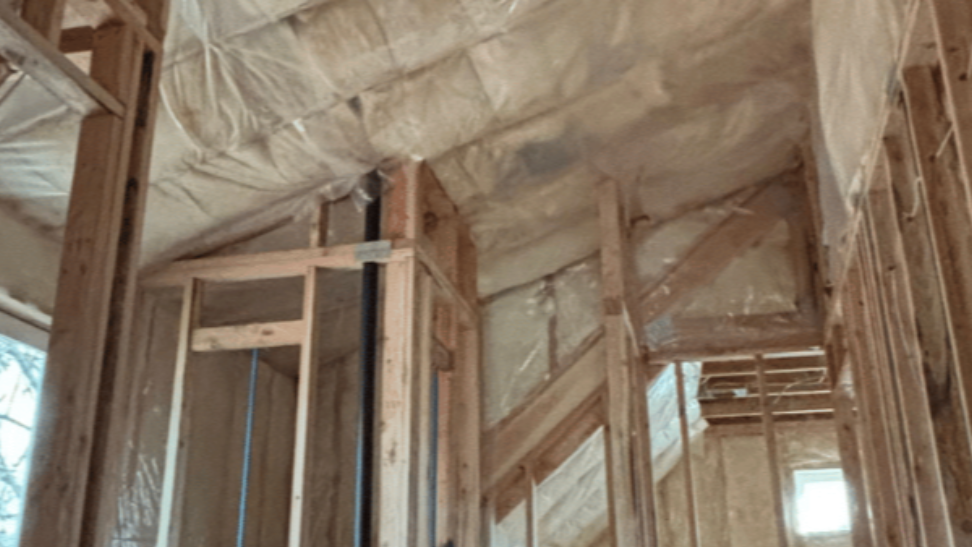
- Cathedral and vaulted ceilings. Rafter depth is fixed. A 2×10 rafter with batts tops out around R-30; the same rafter with foam against the sheathing and a batt below clears R-38 or better and still leaves the assembly unvented and dry.
- Bonus rooms over garages. The floor is exposed below and the knee walls are exposed behind. Thin spaces, big heat loss.
- Shops, pole barns and metal buildings. Purlins and girts leave 2 to 4 inches. Foam is the only thing that gets a usable R-value in there.
What R-value doesn't tell you
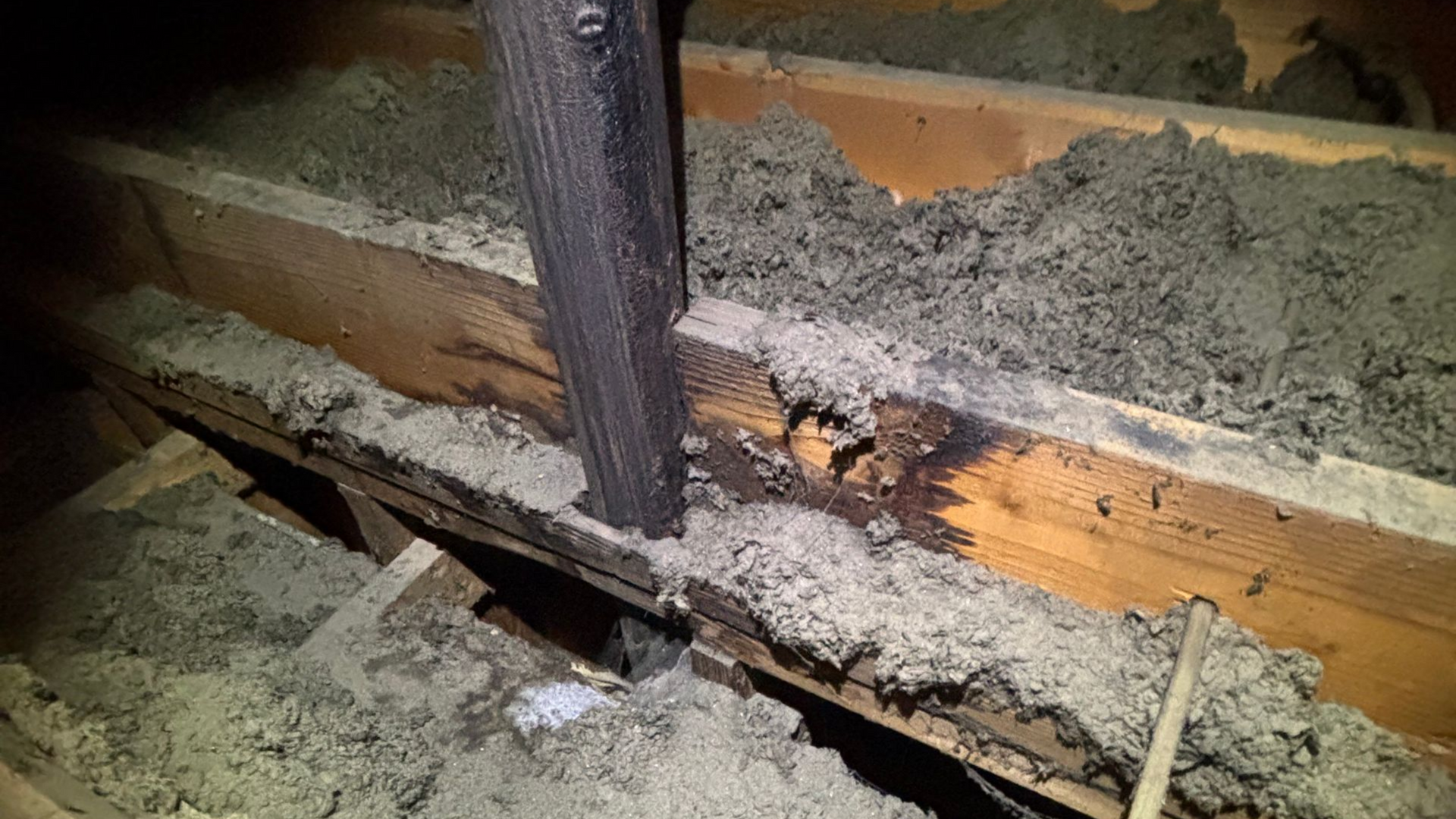
Here's the catch. R-value is measured in a lab, on a sample, with no air moving through it. Your house has air moving through it all winter. A batt that tests at R-21 on the bench performs well below that in a wall with gaps at the top plate and holes around the wiring, because air carries heat straight past the fiberglass.
Spray foam vs fiberglass isn't just about which has the higher number. It's about which one keeps its number once it's in the wall. That's the subject of the next article: air sealing.
Which one for your project
Foam insulation vs batt insulation comes down to where it's going. For tight assemblies the R-per-inch advantage is decisive. For a vented attic or a dry interior wall, fiberglass or cellulose is the better dollar. On most new homes in Spokane we use both, often in the same wall.
Send us your plans and we'll bid foam, fiberglass and a hybrid side by side: plans@pacificinsulationandmold.com, or call Gus at (509) 879-0495. He picks up.
Part 1 of our spray foam insulation vs fiberglass series. Next: Fiberglass Insulates. Spray Foam Air-Seals.
Follow us


Frost in the Attic: The Science of Attic Condensation in Spokane (And Why It Looks Like a Roof Leak)