Fiberglass Insulates. Spray Foam Air-Seals.
Fiberglass Insulates. Spray Foam Air-Seals. Why That Matters Under Washington's Energy Code
In the last article we compared spray foam vs batt insulation on R-value per inch. This one is about the thing R-value doesn't measure at all, and it's the reason most of the cold rooms we get called about exist.
Heat moves two ways
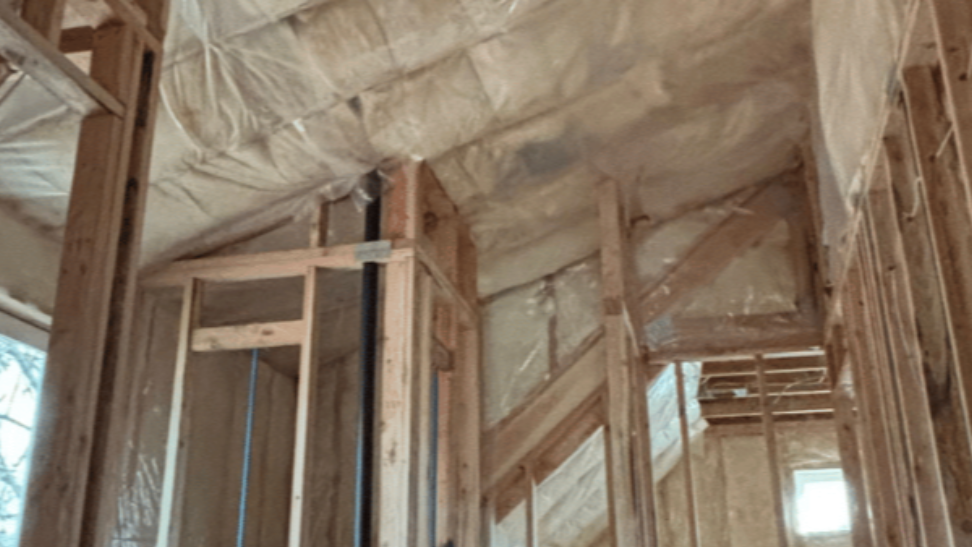
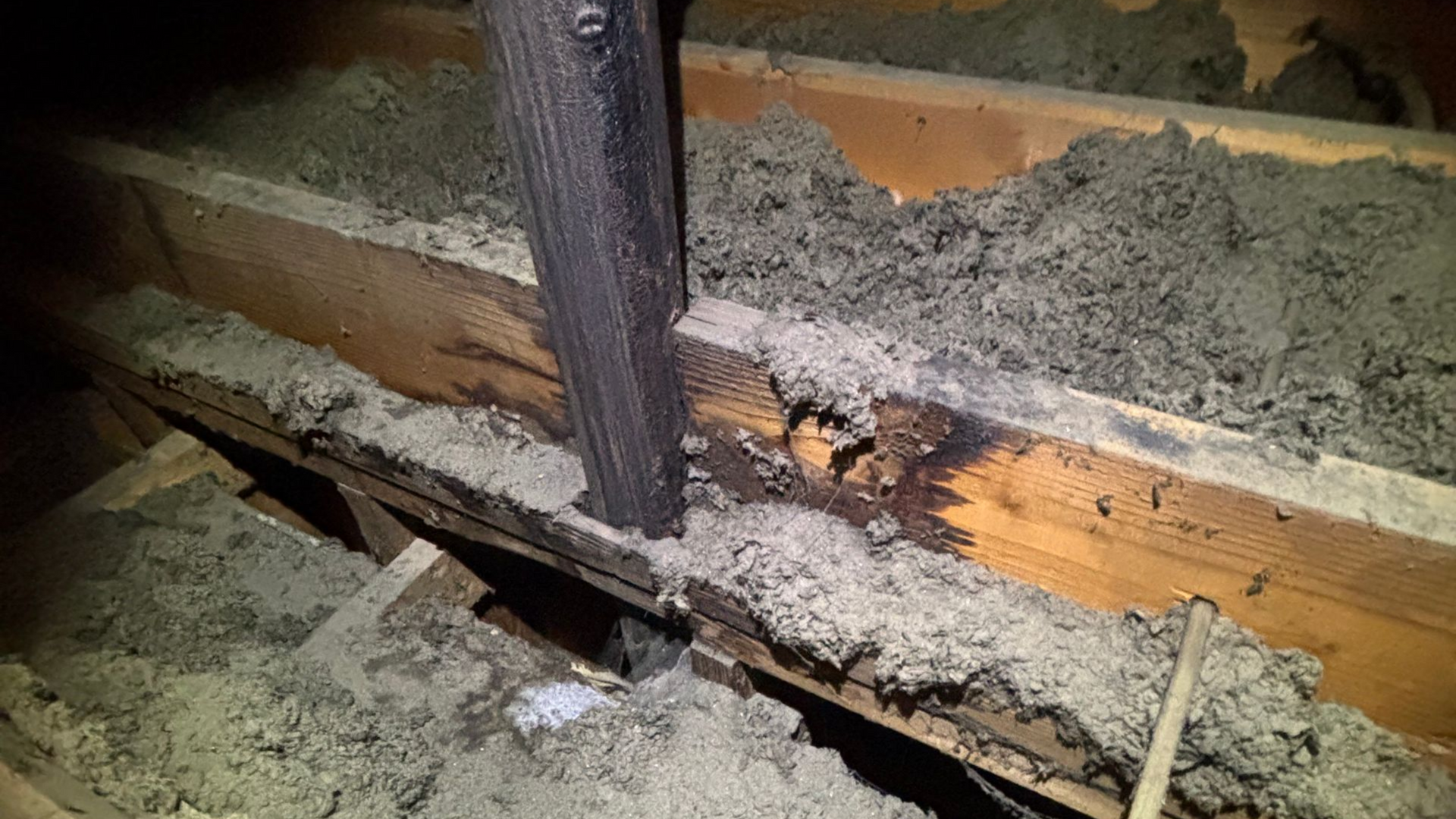
Heat leaves a house by conduction, moving through materials, and by air leakage, moving with the air itself. Insulation R-value only addresses the first. A fiberglass batt is a fluffy filter: it slows heat passing through it, but air passes around and through it freely. Every gap at the top plate, every hole drilled for wiring, every electrical box in an exterior wall is a path for warm air out and cold air in. In a Spokane winter that's a 60-degree difference pushing through hundreds of small openings.
Spray foam is different in kind, not degree. It's applied as a liquid, expands into every gap and cures solid. The insulation layer and the air barrier are the same layer. Is foam insulation better at stopping drafts? It isn't a contest.
The blower door test
This isn't theory anymore. Under the 2021 Washington State Energy Code, in effect since March 2024, every new home has to pass a blower door test: a fan depressurizes the house and measures how much air leaks in. The limit is 5.0 air changes per hour at 50 pascals (5 ACH50). Builders can earn energy credits for tighter results: 2.0 ACH50 earns a full credit, 1.5 earns more.
The 2024 code, scheduled to take effect May 3, 2027, is expected to drop the base limit to 3.0 ACH50 and require sealed electrical boxes in the envelope. Spray foam vs regular insulation is going to be a bigger question every year, because a batt house needs a separate air-sealing pass to get there and a foamed house usually passes on the first try.
Where the leaks actually are
After fourteen years of blower door results, the same spots show up every time:
- Top plates where drywall meets framing
- Rim joists, where the floor system meets the foundation
- Wiring and plumbing penetrations through plates
- Electrical boxes in exterior walls
- Around windows and doors, between the frame and the rough opening
- Can lights and the attic hatch
These are the exact places a flash coat of closed cell foam fixes. You don't need to foam the whole house to pass; you need foam where the air moves. That's the idea behind the hybrid wall we'll cover in Post 4.
What this means for a homeowner
If an upstairs bedroom is always cold, the fix usually isn't more R-value in the attic. It's the air sealing nobody did at the top plates and the rim. Spray insulation vs regular insulation isn't about which material is warmer on paper; it's about which one keeps the warm air in the house.
Is spray insulation better? Where air moves, yes. We air-seal and insulate new homes and remodels across Spokane County and North Idaho. Call Gus at (509) 879-0495, or send plans to plans@pacificinsulationandmold.com.
Part 2 of our spray foam insulation vs fiberglass series. Previous: What One Inch Actually Buys You. Next: What Happens When It Gets Wet.
Follow us

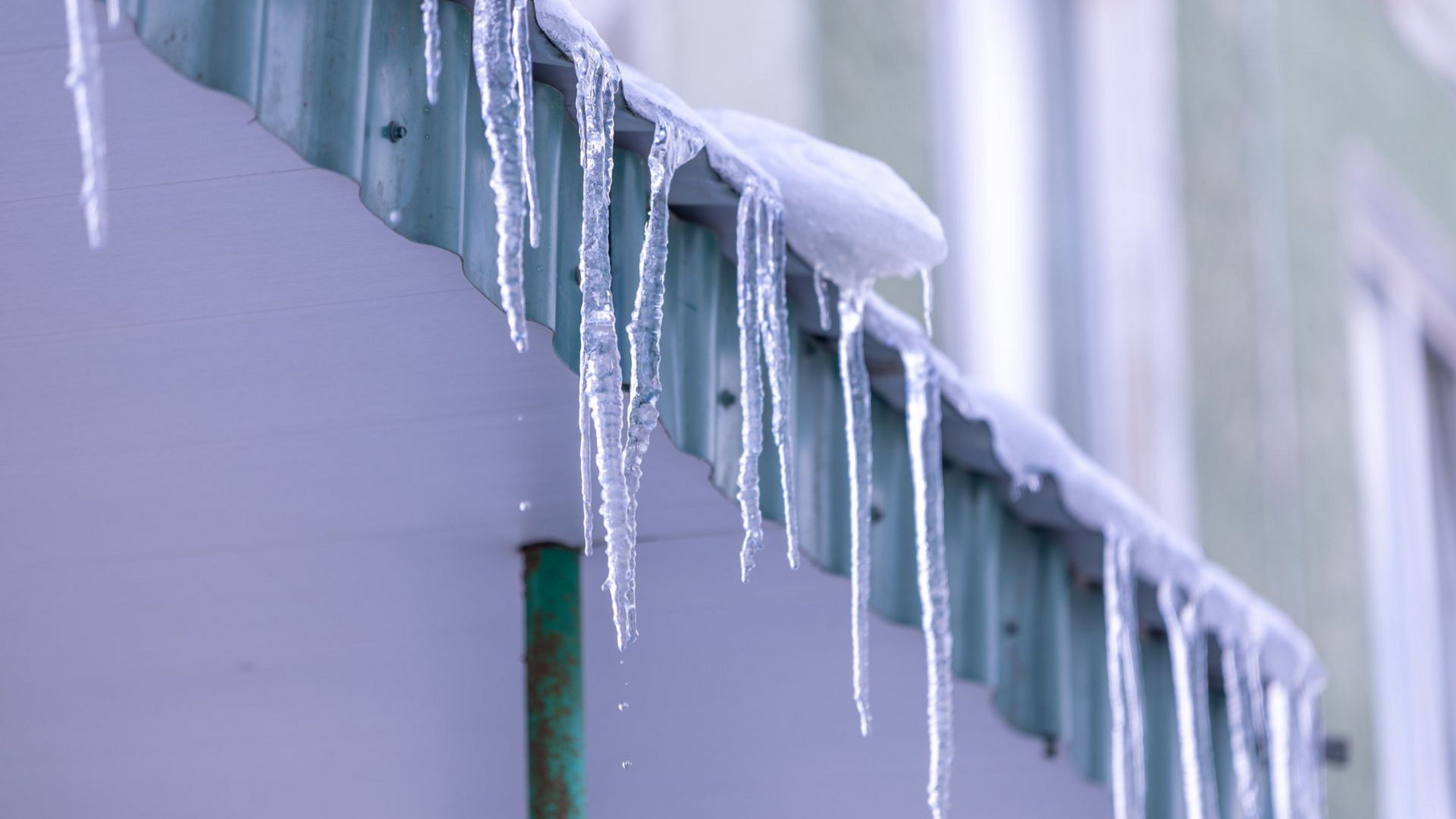

Frost in the Attic: The Science of Attic Condensation in Spokane (And Why It Looks Like a Roof Leak)