How to File an Insurance Claim After Fire Damage: A Step-by-Step Guide for Spokane Homeowners
How to File a Fire Damage Insurance Claim | Spokane WA
If you're reading this after a fire — whether your home burned, your neighborhood filled with smoke, or you're somewhere in between — take a breath. The claim process ahead of you is manageable, but it rewards people who understand how it works and punishes people who rush. This guide walks you through the whole thing, start to finish, including the parts insurance companies don't explain well. We've walked this road with Spokane homeowners many times, most recently after the August fires, and this is everything we wish every fire survivor knew on day one.
First 24–48 Hours: Before You Even Call the Insurance Company
Make sure the property is safe and secured. Don't re-enter until the fire department says it's safe. Once you can, your policy actually requires you to take reasonable steps to prevent further damage — called "mitigation." That means boarding broken windows, tarping roof openings, and shutting off water to broken lines. Keep every receipt for tarps, plywood, and emergency work; it's reimbursable.
Photograph everything before anyone touches anything. This is the single most valuable hour you will spend on your entire claim. Walk every room, slowly, with your phone: wide shots of each room, close-ups of damage, the exterior from all sides, and video with narration. You cannot over-document. What you can do is under-document — and every item that gets cleaned up or hauled away before it's photographed becomes a negotiation instead of a fact.
Don't start cleaning. This feels backwards, but scrubbing soot sets stains permanently, destroys evidence your adjuster needs to see, and can grind acidic residue deeper into surfaces. Touch as little as possible until the damage has been documented and professionally assessed.
Start a claim diary today. A simple notebook or notes app: every phone call, who you spoke to, what was said, and the date. Every email saved. Every receipt kept. Months from now, when you're asking why a payment hasn't arrived, "I spoke with Sarah on October 3rd and she said the supplement was approved" is leverage. "I think I called sometime last month" is not.
Step 1: Report the Claim
Call your insurance company or agent as soon as you reasonably can — most policies require "prompt" notice. You'll get a claim number; write it down and put it in your claim diary, because every conversation for the next year references it. Ask three questions on this first call: What does my policy cover (dwelling, contents, additional living expenses, code upgrades)? What's my deductible and when is it collected? And what's the timeline for the adjuster's inspection?
If you've been displaced, ask specifically about Additional Living Expenses (ALE) coverage. Your policy almost certainly pays for a hotel, meals above your normal costs, and other displacement expenses — starting now, not after the claim settles. Get the ALE process explained, keep every receipt, and don't be shy about using this coverage. It's what it's for.
Step 2: Understand Who the Adjuster Is — and Isn't
Within days, an adjuster will contact you. Here's the thing nobody says plainly: the adjuster works for the insurance company. Most are decent professionals, and being courteous and organized with your adjuster genuinely helps your claim. But their job is to settle your claim, and your job is to get your home actually restored. Those goals overlap — they are not identical.
The adjuster settles the claim; they don't manage your project. Choosing the contractor, approving the scope of work, deciding what gets rebuilt — those decisions are yours. If the insurer suggests a "preferred vendor," you're free to use them, but Washington law is clear that you choose your own contractor. A preferred vendor's customer, structurally, is the insurance company that sends them work all year. Your contractor's customer should be you.
Step 3: The Inspection — Be There, and Bring Backup
Walk the property with the adjuster. Point out everything, including damage that seems minor. This is also the right moment to have your own restoration contractor present or lined up, because of the single most important fact about fire claims:
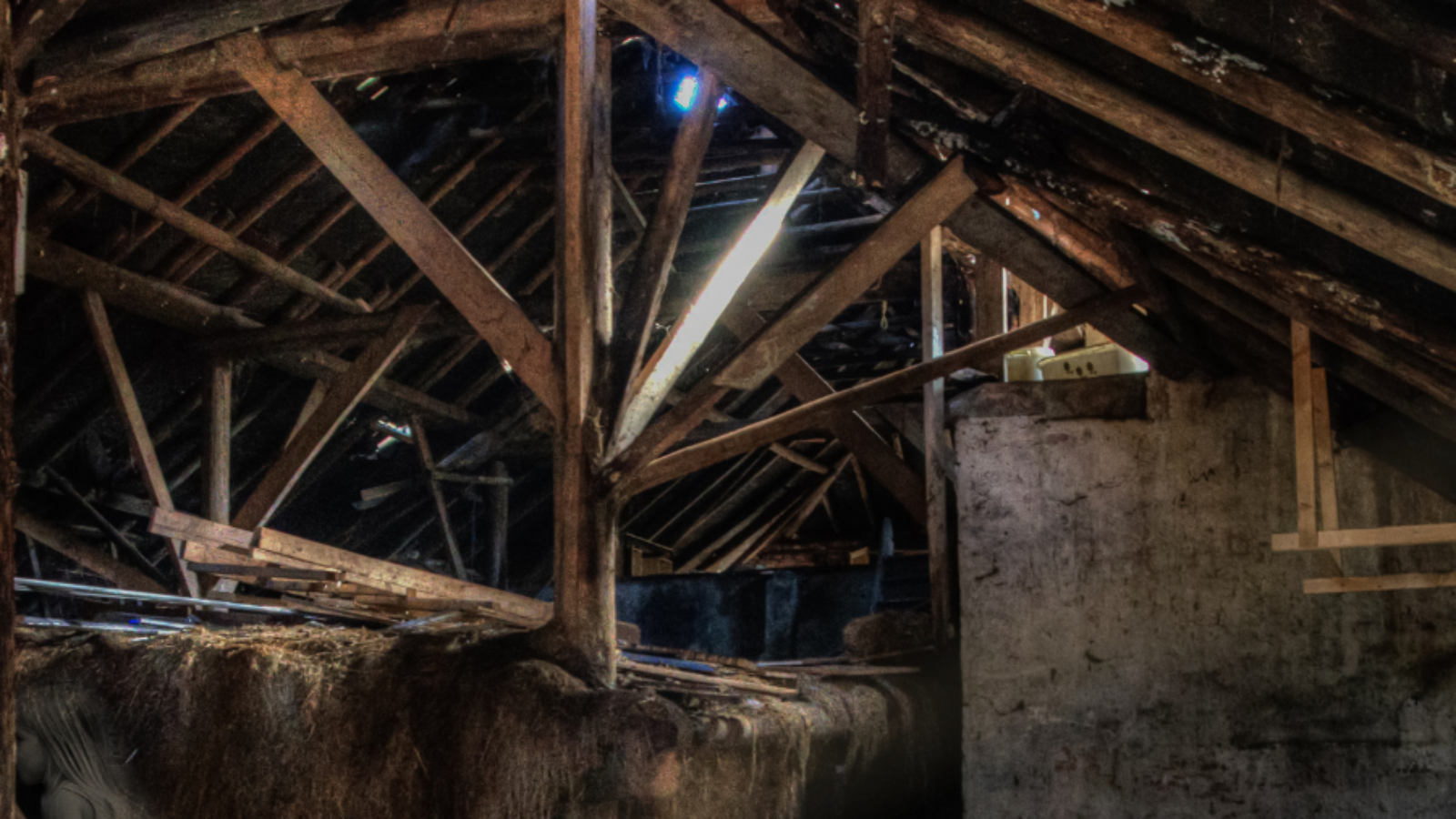
The first estimate will be lower than the real cost. Almost always. Not necessarily because anyone is cheating — because the first estimate only covers what's visible on day one. Fire damage hides: soot drawn into wall cavities, smoke odor saturated into attic insulation, heat damage to wiring, water damage from firefighting soaked into framing. None of that is visible in a walkthrough, and adjusters don't climb into attics.
This hidden damage gets added to your claim later through supplements — additional payment requests documented during the actual work. Supplements are routine; insurers process them on large losses every single day. But they only get approved when someone documents the hidden damage properly: photos before and during demolition, moisture readings, contamination reports, and a written scope. This is exactly why a contractor who documents thoroughly is worth more than the difference in any bid.
Step 4: Smoke Damage — the Part of the Claim Everyone Underestimates
If your home didn't burn but sat in heavy wildfire smoke, you may still have a legitimate claim — smoke and ash damage is generally covered under homeowners policies. And if your home did burn, smoke damage extends far beyond the fire-damaged rooms.
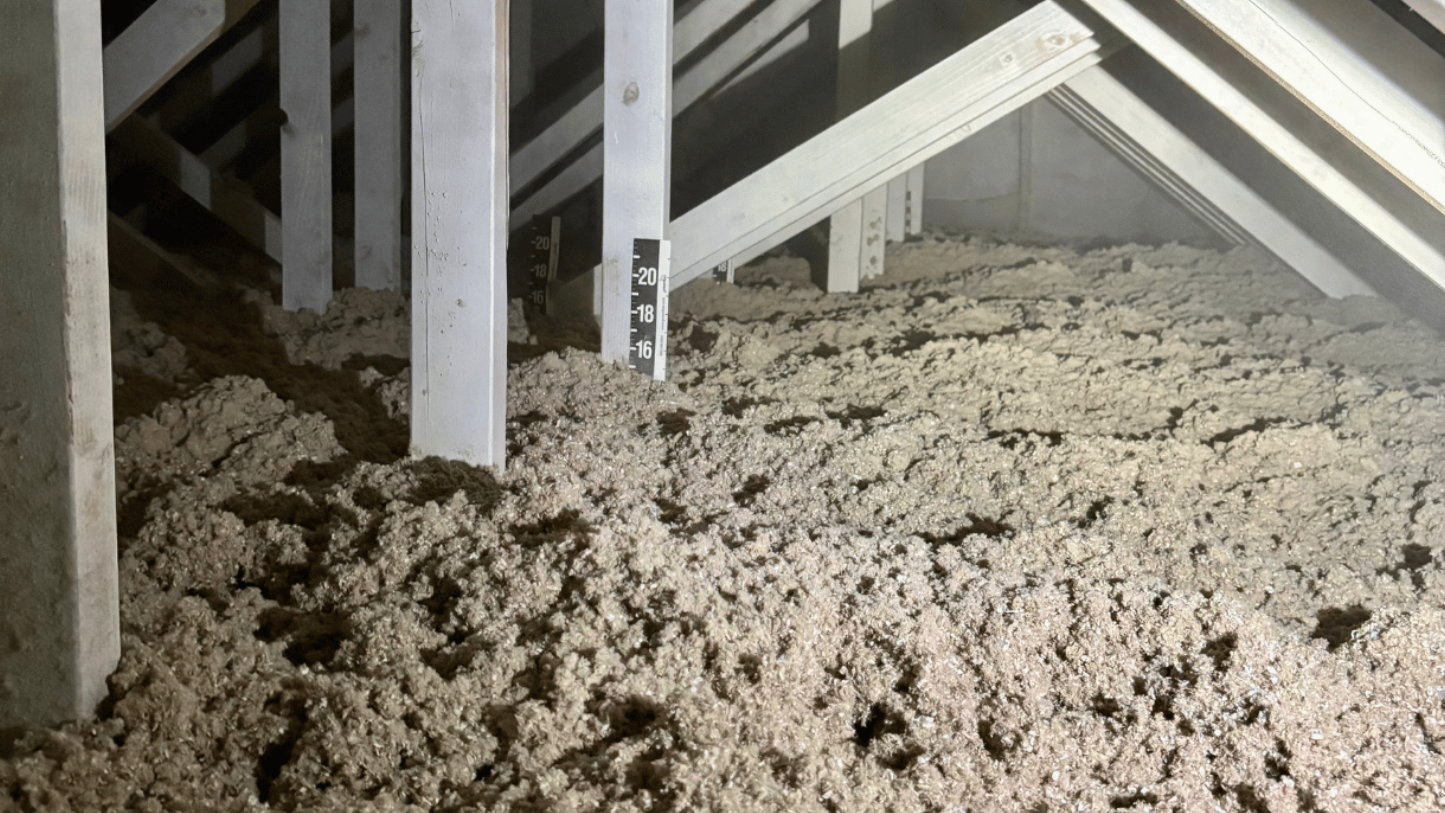
The most commonly missed item in Spokane fire claims, in our experience: smoke-contaminated attic insulation. Insulation traps soot and odor like a sponge and cannot be cleaned — only removed and replaced. It's why homes "professionally cleaned" after a fire still smell like smoke every hot afternoon a year later. It's covered, it's expensive enough to matter, and it appears in almost no first estimates because nobody from the insurance side ever looks in the attic. Get the attic inspected and documented before you accept any settlement as final. The same goes for ductwork, which carries smoke through the whole house, and for older homes, insist that suspect materials be tested for asbestos before demolition — testing is normally covered as part of the loss, and pre-1985 Spokane homes frequently contain asbestos in exactly the materials fire restoration disturbs.
Step 5: Understand How the Money Actually Arrives
Fire claims don't pay out in one check. Expect stages:
First payment: usually "actual cash value" (ACV) — the depreciated value of what was damaged. This funds the start of work and is not the final number.
Recoverable depreciation: if you have replacement-cost coverage (most Spokane homeowners do), the difference between depreciated value and full replacement cost is released after you complete the repairs and submit proof. Ask your adjuster exactly what proof they'll want — typically invoices and photos of completed work. Homeowners who never claim their recoverable depreciation leave real money on the table, and it happens constantly.
Supplements: paid as hidden damage is documented during the work.
One wrinkle: if you have a mortgage, checks may be made out to you and your lender. The bank endorses and may hold funds in escrow, releasing them as work progresses. Build that processing time into your expectations, and call your lender's loss draft department early to learn their process.
Step 6: Protect Yourself — Three Rules
Don't sign a final release until the work is done. Hidden damage found during demolition can't be claimed after you've signed everything away. There is no reason to sign a full release early, and you should be suspicious of any pressure to do so.
Never let anyone rush you on the day of the loss. Disaster-chasing contractors follow fires and pressure shocked homeowners into signing contracts and assignments of benefits on the spot. A legitimate contractor secures your property first and lets you decide with a clear head. Get multiple bids. Verify any contractor's license at LNI.WA.GOV — every legitimate Washington contractor is registered there, and checking takes two minutes.
Know the studies. Research on major fire losses found roughly three out of four homeowners were underinsured — their coverage capped below the true rebuild cost. And nationally, a large share of claims are underpaid simply because hidden damage never made it into the file. The homeowners who come out whole are the ones with documentation. You can't control your policy limits after the fact, but documentation is entirely in your control, starting the day of the fire.
Step 7: If the Claim Stalls or the Offer Is Short
Push back in writing, with evidence — a contractor's documented scope beats a phone argument every time. Ask the adjuster specifically what documentation would change the number, then provide it. If you hit a wall, you have escalation paths: request a different adjuster, invoke the appraisal clause in your policy (a formal process for resolving valuation disputes), file a complaint with the Washington State Office of the Insurance Commissioner (insurance.wa.gov — they take consumer complaints seriously and insurers know it), or hire a licensed public adjuster, who represents you rather than the insurer, typically for a percentage of the settlement. A Florida state audit famously found represented claims settled for several times more than unrepresented ones. Most claims never need this — but knowing the exits exist changes how the conversation goes.
Step 8: Rebuild in the Right Order
Restoration has a sequence, and skipping steps is how houses end up smelling like smoke forever: document everything first; test suspect materials in older homes; remove what can't be saved, including contaminated insulation; clean and treat what stays — soot removal and odor neutralization at the source, not masking; seal surfaces where odor has locked into wood grain; address the ductwork; then re-insulate, air-seal, and rebuild. Ask any contractor you're considering to walk you through their sequence. If "get the attic right" isn't in it, keep looking.
The Short Version
Document everything before touching anything. Report promptly and use your ALE coverage. Be at the inspection. Expect the first estimate to be low and treat supplements as normal. Get the attic and ductwork inspected — that's where fire claims get underpaid. Take the money in stages, claim your recoverable depreciation, and never sign a final release until the work is done. Choose your own local, licensed contractor, and make them prove they document like your claim depends on it. Because it does.
Pacific Insulation & Restoration is a veteran-owned restoration and insulation company based in Spokane Valley, serving Spokane County since 2012 — fire, smoke, and water damage restoration from the roof to the crawlspace, including removal and replacement of smoke-contaminated insulation. We document every stage of the damage so your claim reflects your real loss. Free inspections: (509) 351-2811 · pacificinsulationandrestoration.com · Licensed & insured: WA #PACIFIL886KH, ID #RCE-47538. Verify any contractor at LNI.WA.GOV.
This article is general information, not legal or insurance advice. Your policy's terms control your claim — read them, and direct coverage questions to your agent or the Washington State Office of the Insurance Commissioner.
Follow us