The Zonolite Trust Will Pay for Over Half of Your Vermiculite Removal. Here's How to Claim It.
Zonolite Attic Insulation Trust Rebate: Testing & Claim Process for Spokane Homeowners

Most Spokane homeowners who find vermiculite in the attic assume the removal bill is theirs alone. It usually isn't. There's a court-established trust fund, paid for by the company that sold the stuff, that reimburses more than half the cost of getting it out, including the new insulation that goes back in.
Almost nobody knows about it. We've had homeowners in Spokane Valley and Deer Park pay full price for abatement years ago and never file. So here's the whole thing, start to finish.
What the Zonolite Attic Insulation Trust is
W.R. Grace sold vermiculite attic insulation under the brand name Zonolite from the 1940s into the 1980s. Most of it was mined in Libby, Montana, about three hours from Spokane, and the Libby ore was contaminated with asbestos. When Grace went through bankruptcy, the settlement created the Zonolite Attic Insulation Trust (the ZAI Trust) specifically to help property owners pay for removal.
The Trust is real, it's funded, and it's still paying claims. There's no filing deadline currently in effect, though the Trust can't pay forever, so there's no reason to sit on a claim.
What the Trust pays
The Trust reimburses 55% of your eligible costs, up to an annual cap. The cap started at $4,125 and is adjusted each year for cost of living; it's currently just under $5,000. Check zonoliteatticinsulation.com for this year's exact figure.
Eligible costs include:
- Removal of the vermiculite
- Containment work (sealing, encapsulation, or covering in place)
- Re-insulation that's reasonably related to the abatement
So on a typical Spokane attic, where vermiculite removal plus fresh blown-in cellulose might run $7,000 to $9,000, the Trust is sending you a check for $4,000-plus. That's the difference between "I'll deal with it someday" and "let's do it this month."
What doesn't qualify: upgrades beyond the abatement (a new roof, new drywall, added ventilation you wanted anyway), general construction, and your own labor if you do it yourself. Which you shouldn't.
Who can file
Anyone who owns or rents a building with Zonolite in it and paid for removal, containment, or re-insulation. Houses, rentals, commercial buildings, and farm outbuildings all qualify. Current owners and former owners both qualify, as long as you're the one who paid.
You can file before the work is done or after. The Trust actually encourages filing early so the product identification step is finished by the time you're ready to pay the contractor.
Step 1: Confirm it's vermiculite
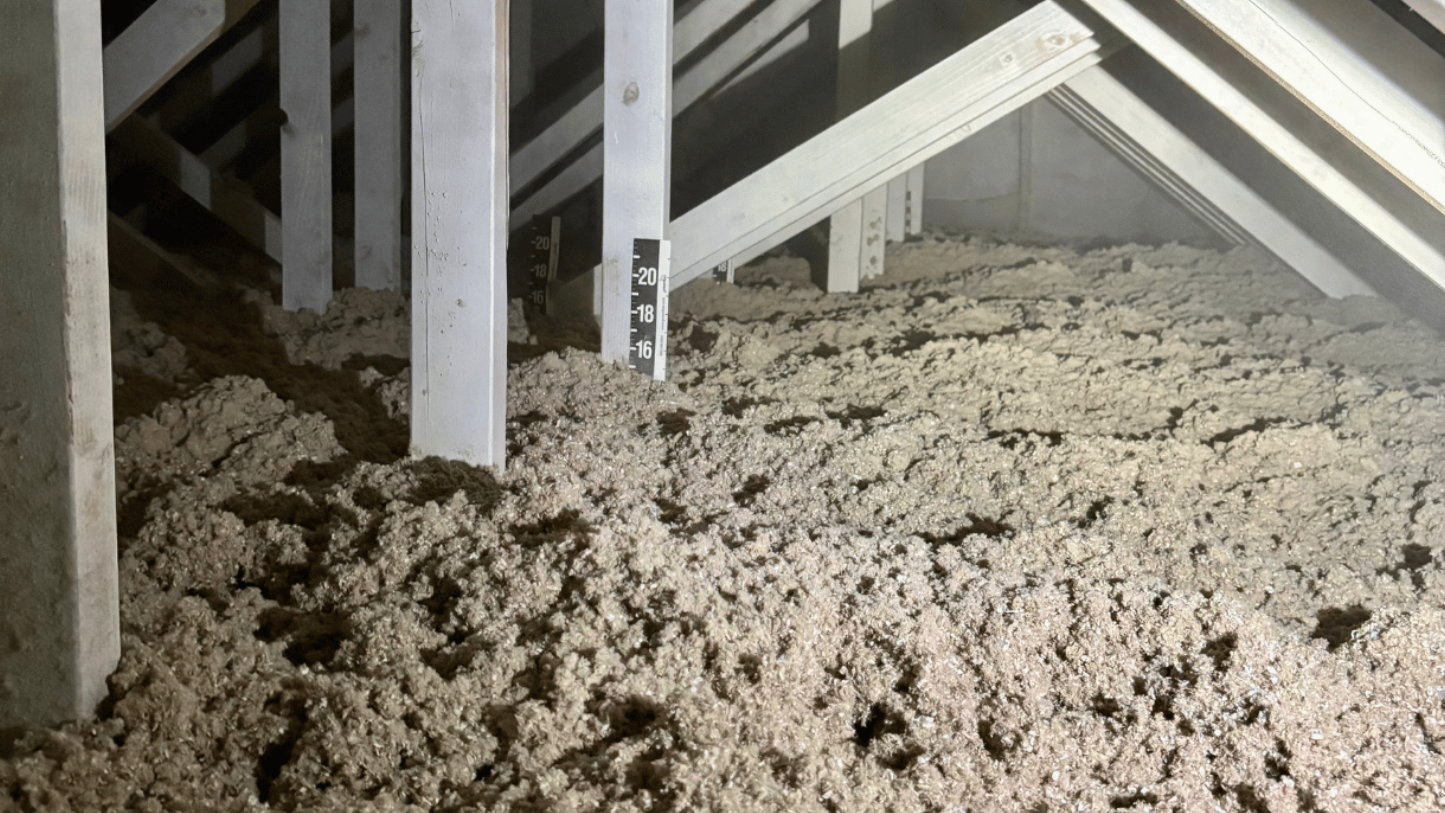
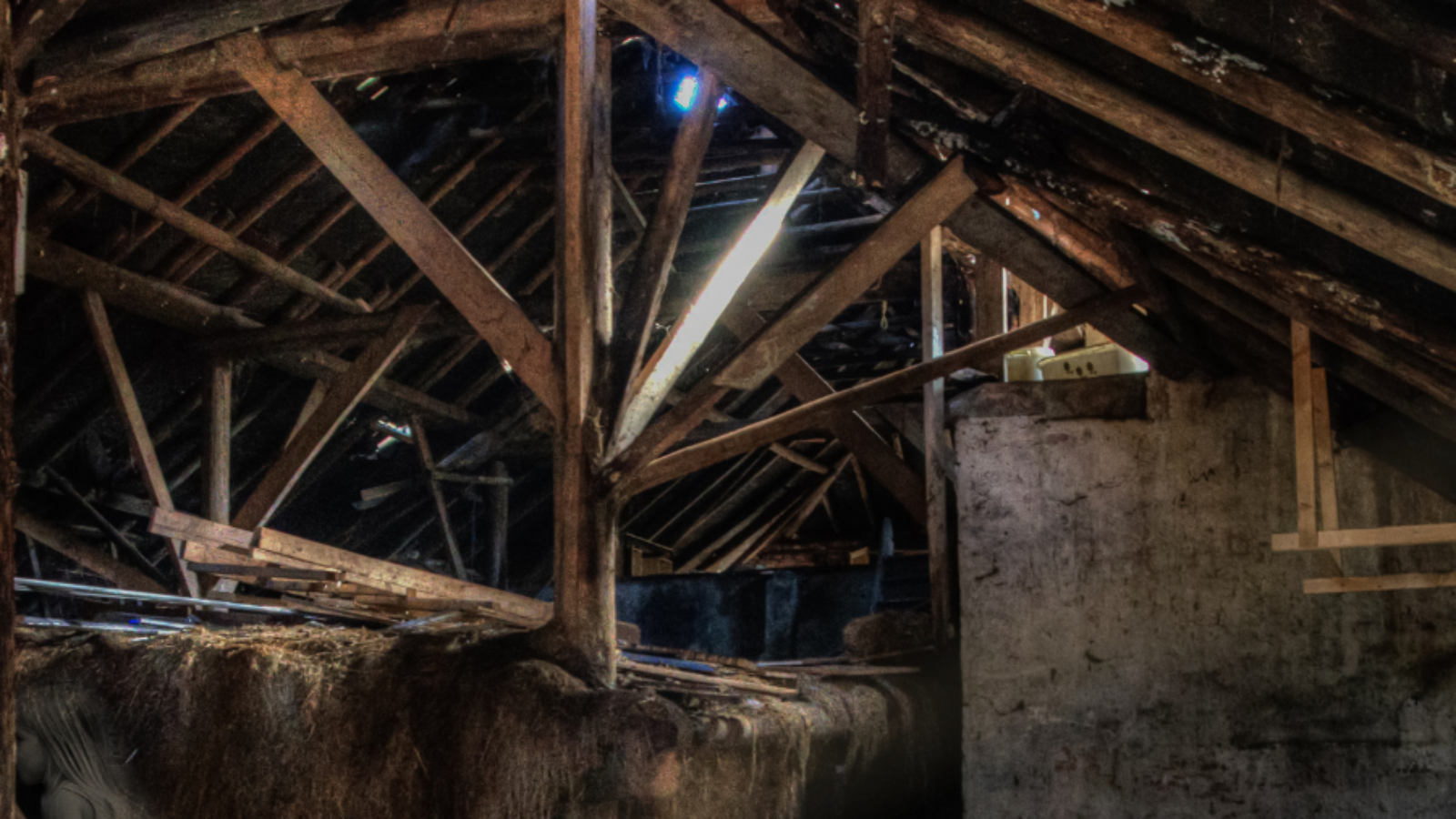
Vermiculite is loose, pebbly, and lightweight, with silver-gold, gray-brown, or tan flakes that look like kitty litter or popcorn. It's often buried under a layer of newer blown-in insulation, so you may not see it from the hatch. If your home was built before 1990, and especially in the 1940s–1970s, it's worth looking. Older neighborhoods on the South Hill, in Hillyard, Millwood, Medical Lake, Cheney, and Deer Park, and farmhouses from Rockford to Tekoa, are full of it.
We'll check for you as part of an attic inspection. If we find it, we photograph it and note the location, which you'll need later.
Step 2: Prove it's Zonolite (free testing)
The Trust needs evidence that the insulation is Zonolite brand, not just generic vermiculite. There are three ways:
A free lab test from the Trust. This is the route most people use. You request a sampling kit, collect up to three small samples following their instructions, label each with the date, the location in the attic, the property address, your name, and the name of the person who collected it, fill out the chain-of-custody form, and mail them in. Regular mail is fine. The Trust tests them at no charge and sends you a letter confirming whether it's ZAI.
Photos of original Zonolite bags. Installers sometimes left empty bags in the attic. If you find one, photograph it. That's accepted as proof on its own.
Old receipts or invoices showing Zonolite was purchased or installed at the property. Rare, but valid.
Safety note: vermiculite is an asbestos material, and collecting a sample disturbs it. If you'd rather not go up there, we collect samples under proper precautions as part of the inspection and package them for the Trust.
Step 3: Get a written estimate and do the work right
The Trust doesn't require a licensed contractor, but it strongly encourages one, and for good reason. Vermiculite removal is a licensed asbestos abatement: full containment, negative air, supplied-air respirators, HEPA-filtered removal equipment, and disposal at an approved facility. A shop vac and a dumpster will contaminate your whole house.
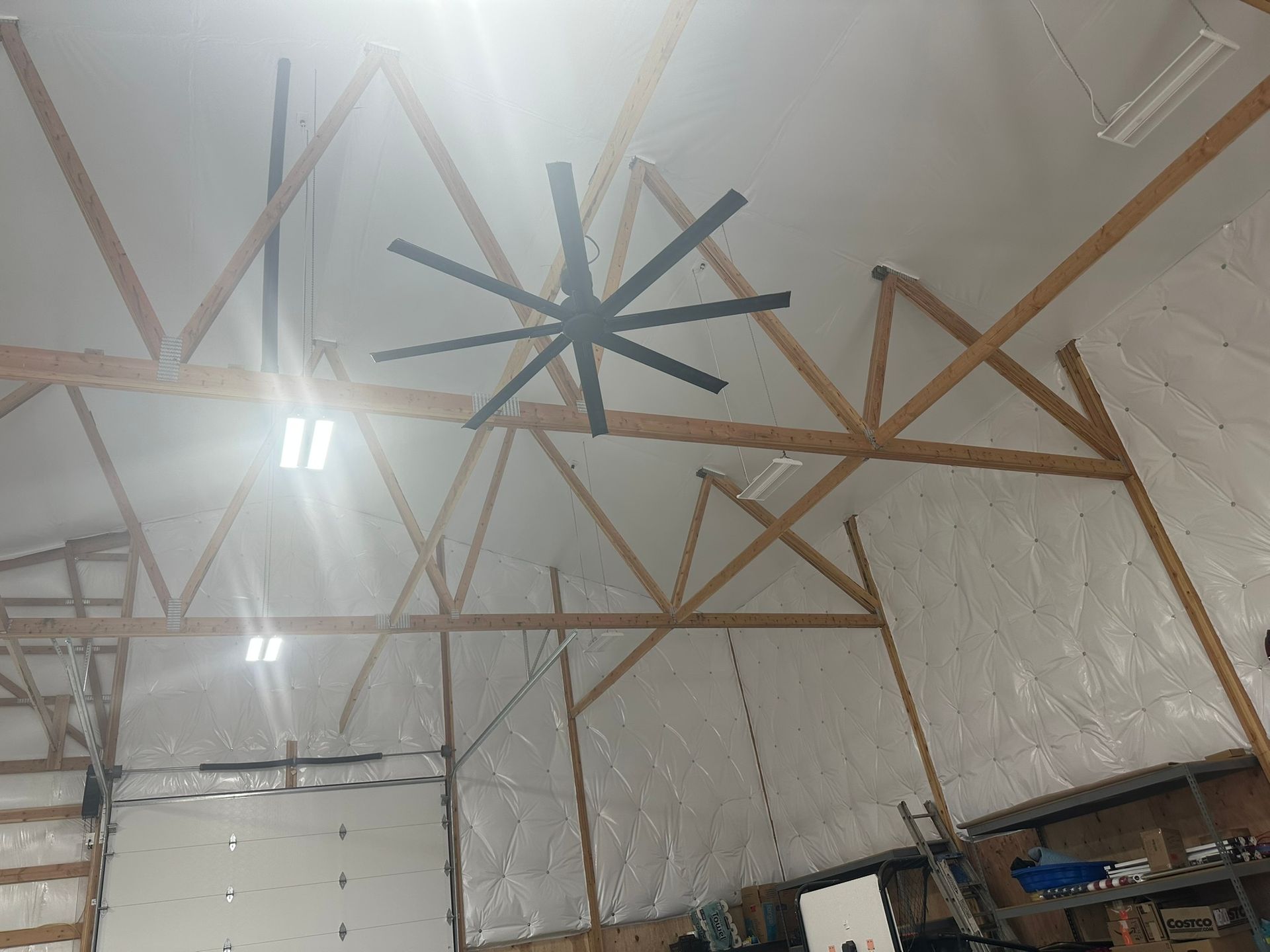
Our estimates are written with the ZAI claim in mind. The removal, containment, and re-insulation lines are itemized separately so the Trust can see exactly what's reimbursable, and we give you before-and-after photos from the attic.
Step 4: Pay the contractor and gather your paperwork
After the job, you'll need:
- The Trust's claim form (current-year version, from their website)
- Your product identification: the lab letter, bag photos, or receipts
- Proof of ownership or tenancy (deed, tax statement, or lease)
- The contractor's proposal and final invoice
- Proof of payment (cancelled check, bank or card statement, or paid receipt)
- Before-and-after photos of the attic
One option worth knowing: the Trust can pay the contractor directly for the reimbursable portion if you show proof that you paid the rest. Ask us about it if cash flow is tight.
Step 5: Submit and wait for the check
File online at zonoliteatticinsulation.com or mail everything to the ZAI Trust (317 Wingo Way, Suite 303, Mount Pleasant, SC 29464). Questions go to (844) 924-2255 or info@zaitrust.com. Once a claim is approved, reimbursement typically arrives within about 45 days.
Where this gets urgent: the wildfire homes
If your home survived the Old Trails, Autumn Lane, or Fairview fire but took smoke, the insulation is coming out anyway. If that insulation is vermiculite, two things are true: the job is an asbestos abatement (which your insurance adjuster needs to know, because it changes the number), and the Zonolite Trust can reimburse 55% of the portion your insurance doesn't cover. Homes in Nine Mile Falls, Suncrest, Mead, Colbert, and Airway Heights that date from the 1950s–70s should be tested before any cleanup crew disturbs the attic.
If your home was destroyed, the Trust still covers containment and disposal expenses tied to the vermiculite in the debris. Talk to your adjuster and keep every receipt.
We handle the paperwork with you
We've filed enough of these to know what gets a claim approved on the first pass. When we do a vermiculite job, we collect and package the samples, write the estimate in the Trust's format, photograph everything, and hand you a complete packet ready to submit.
Book an attic inspection at insulationspokane.com/inspections or call (509) 879-0495. Selling or buying a pre-1990 home? Same-day inspections through the Home Sale Hotline, (509) 351-2811.
Figures and requirements are from the ZAI Trust's published claim materials and are subject to change. Confirm current terms at zonoliteatticinsulation.com before filing.
Everything Attic. Except Bats. We're Terrified of Bats.
Follow us