Why Waiting on an Attic Mold Inspection Is the Most Expensive Thing a Spokane Homeowner Can Do
Attic Mold Inspection Spokane: The Hidden Cost of Waiting
Most attic mold in Spokane gets discovered one of three ways: a home inspector finds it during a sale, a roofer finds it while bidding a new roof, or a homeowner finally climbs up there to figure out why the upstairs smells musty. In all three cases the mold has usually been growing for years.
And in almost every case, the homeowner says the same thing: "I had a feeling something was up there, but it didn't seem urgent."
Here's the problem. Attic mold is never urgent until the day it is, and by then it's a roof-sheathing replacement, a full insulation removal, a failed real estate inspection, or a kid with a cough that won't go away. This post is about what actually happens in the attic while you wait, and why an attic mold inspection is the cheapest thing on the list.
Why Spokane attics grow mold in the first place
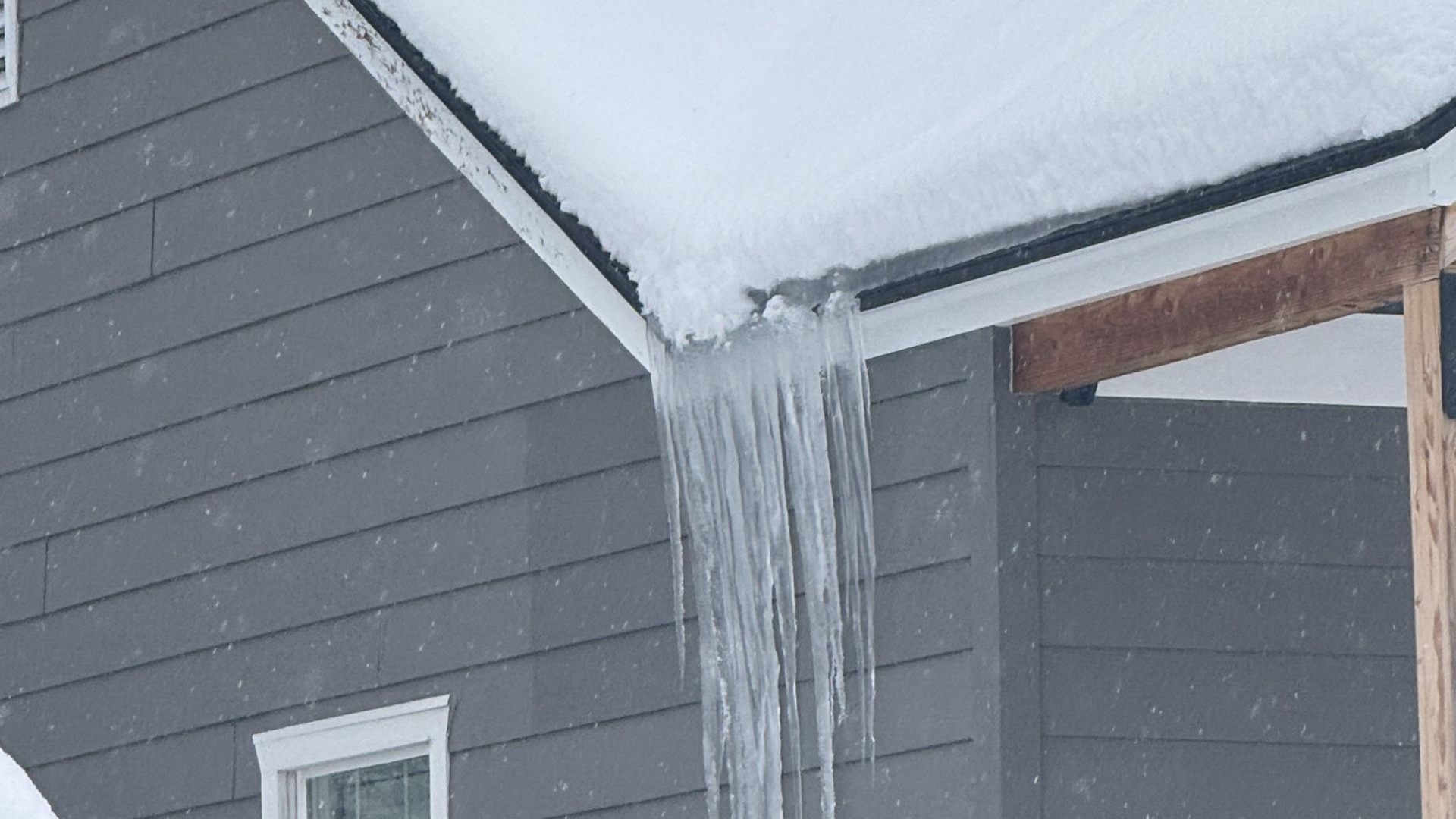
Our climate is hard on attics. Cold, long winters from November through March mean warm, moist indoor air is constantly pushing up into a freezing attic. When that air hits cold roof sheathing, it condenses. Add a bathroom fan venting into the attic instead of outside (extremely common in homes built before the 1990s across Spokane, Spokane Valley, and the North Side), blocked soffit vents, or ice dams from a heavy snow year, and you have a wet attic for five months straight.
Then summer hits and the attic bakes at 140°F, which doesn't kill mold, it just dries it out and sends the spores airborne. Fall brings the moisture back. Repeat for ten years.
Homes in Mead, Colbert, and Nine Mile Falls with older vented roofs, South Hill and Browne's Addition homes with original sheathing, 1970s split-levels in Spokane Valley and Liberty Lake, and manufactured homes around Airway Heights, Medical Lake, and Cheney all have their own version of this pattern. We see it in Deer Park, Chattaroy, and Colbert on the north end and in Rockford, Spangle, and Tekoa to the south. It isn't a neighborhood problem. It's a climate problem.
What happens while you wait
Month 1–6: it spreads. Mold on attic sheathing grows along the moisture. It starts at the eaves and the north-facing slope, near the bathroom fan, and around the chimney. Left alone it tracks across the entire underside of the roof deck. A small cleanup becomes a whole-attic remediation.
Month 6–18: it gets into the insulation. Spores settle into blown-in cellulose and fiberglass, which hold moisture and feed growth. Once insulation is colonized it can't be cleaned; it has to be removed. Insulation removal and replacement is usually the single largest line on an attic mold job, and it's entirely avoidable if the problem is caught while it's still on the wood.
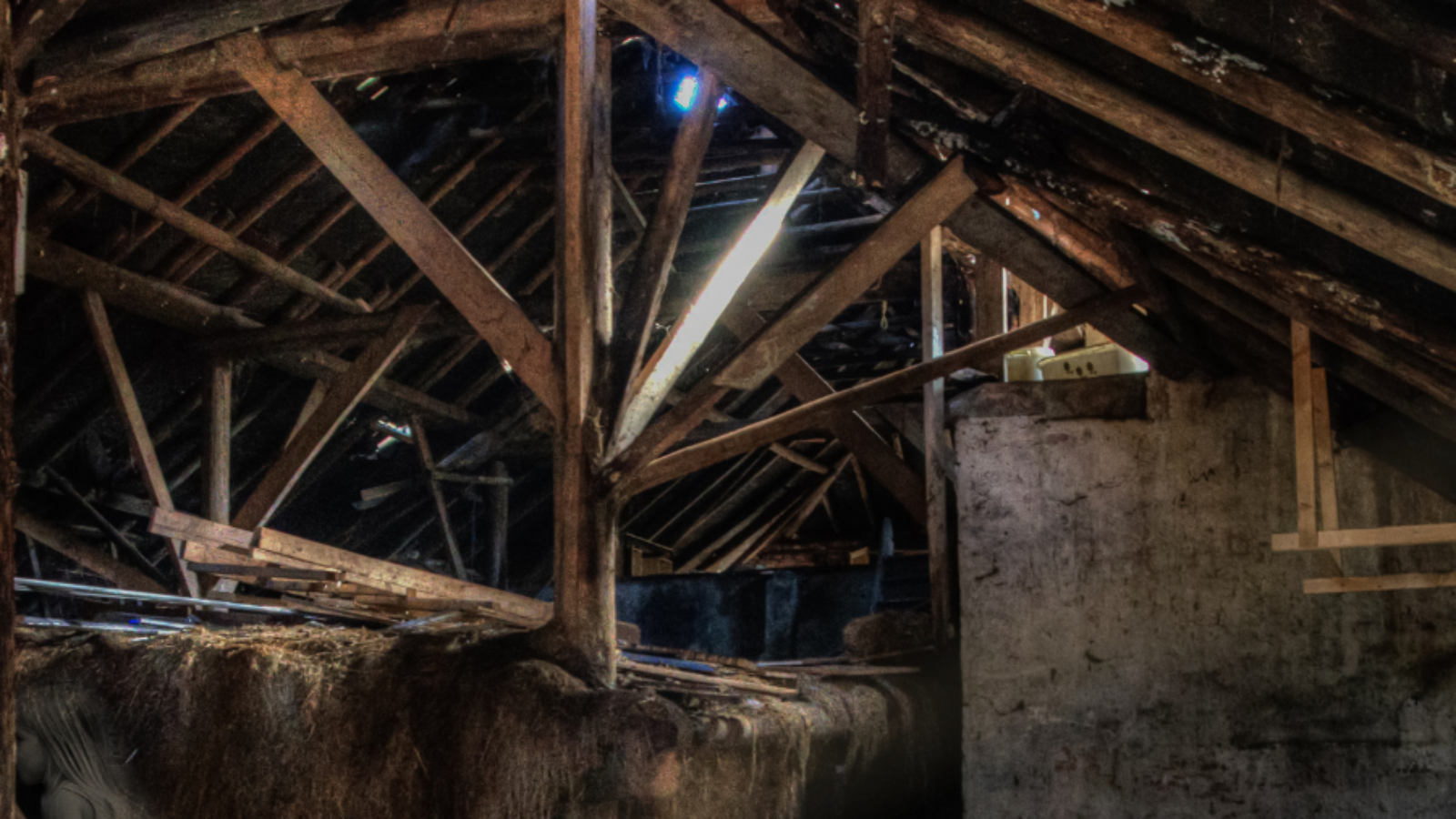
Month 18–36: the wood starts to go. Mold doesn't rot wood by itself, but the conditions that grow mold are the same conditions that grow wood-decay fungi. Delaminated OSB, soft plywood, and stained rafters follow. Now your roofer is quoting sheathing replacement along with the shingles, and that's a roof-off job.
The whole time: it's in your air. Attics aren't sealed from the house. Every time the furnace kicks on, attic air gets pulled down through can lights, the attic hatch, and ceiling penetrations. If your ducts run through the attic, leaky joints pull it straight into the system. Musty smell upstairs, allergy symptoms that don't track with the season, and headaches in the bedrooms under the attic are the usual signs. The CDC and EPA are clear that mold exposure can cause respiratory symptoms, and people with asthma, young kids, and older adults are the most affected.
And then you try to sell. Attic mold is one of the most common inspection findings in Spokane County real estate right now. Inspectors photograph it, buyers' agents ask for remediation credits, and it shows up on the seller's disclosure forever after. A $400 inspection and a one-day remediation in March becomes a $10,000 concession in August, or a deal that falls apart.
"But I don't see anything"
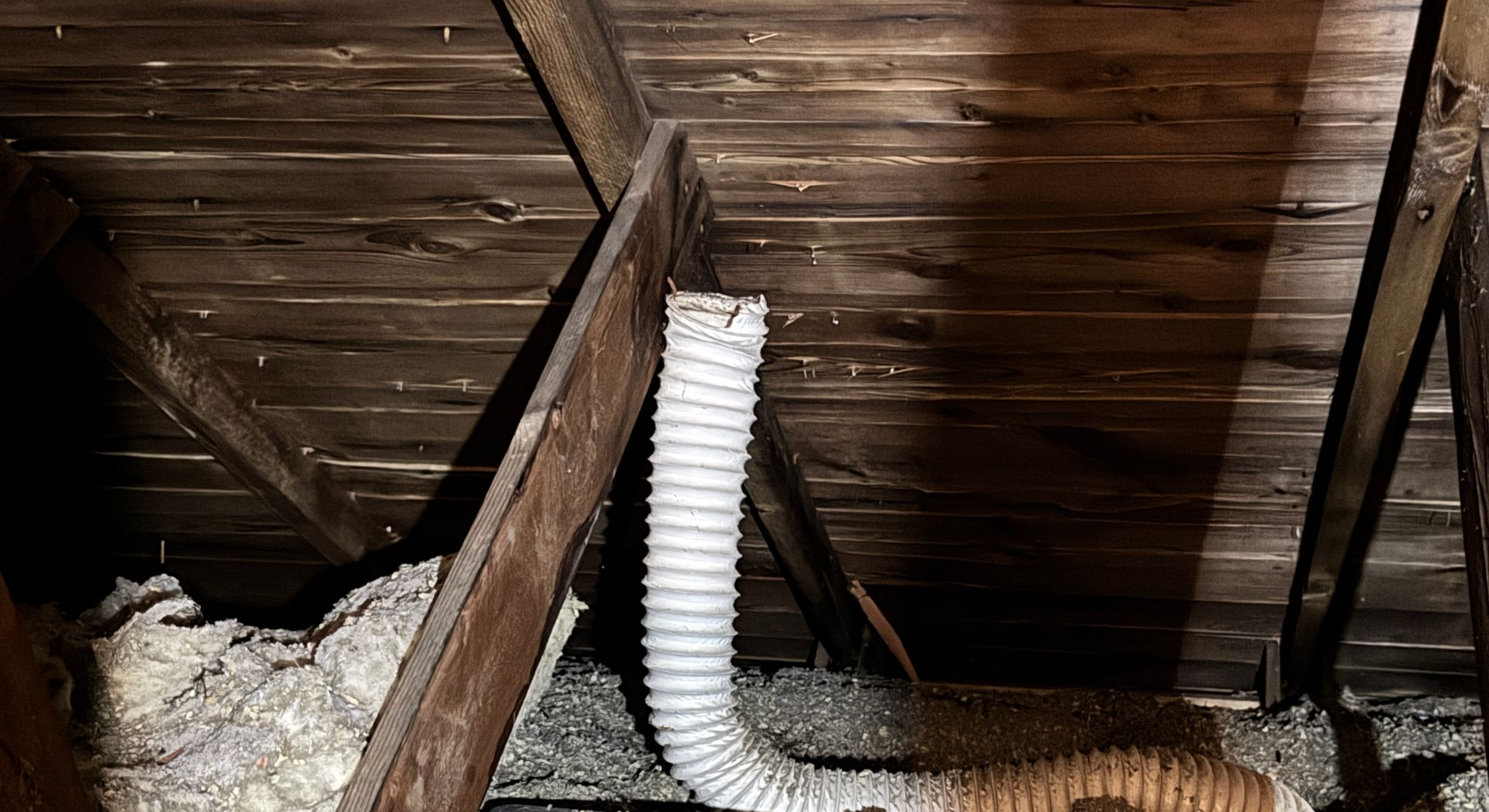
You usually won't. Attic mold hides on the underside of the sheathing, behind the insulation at the eaves, and on the back of the roof deck where the flashlight from the hatch doesn't reach. Dark staining that looks like water marks, white or gray fuzz on rafters, and frost on the nail tips in winter are all signs that an inspection is overdue.
If you've had any of the following, get the attic looked at:
- A bathroom fan you've never verified vents outside
- Ice dams or icicles along the eaves in winter
- A roof leak, even a small one that "fixed itself"
- A musty smell upstairs, especially in the morning
- Insulation that looks matted, discolored, or crusty near the edges
- A home built before 1995 that's never had the attic inspected
- Smoke intrusion from the August wildfires (smoke-damaged insulation and mold go together more often than you'd think, because both come from an attic that isn't breathing right)
What an attic mold inspection actually involves
A proper attic mold inspection isn't a flashlight from the hatch. We go in. We check the sheathing on every slope, trace the bathroom and kitchen exhaust fans, check soffit and ridge ventilation, measure moisture in the framing, look at the insulation depth and condition, and identify the cause, not just the growth. You get photos, a written report, and an honest read on whether this is a small treatment, a full remediation, or a "you're fine, fix the bath fan" conversation.
We do it same day for real estate transactions. For everyone else, it's usually within a few days.
What the fix looks like
If the mold is on the wood only: HEPA vacuum, antimicrobial treatment, and encapsulation of the sheathing, plus fixing the moisture source. Often a one-day job.
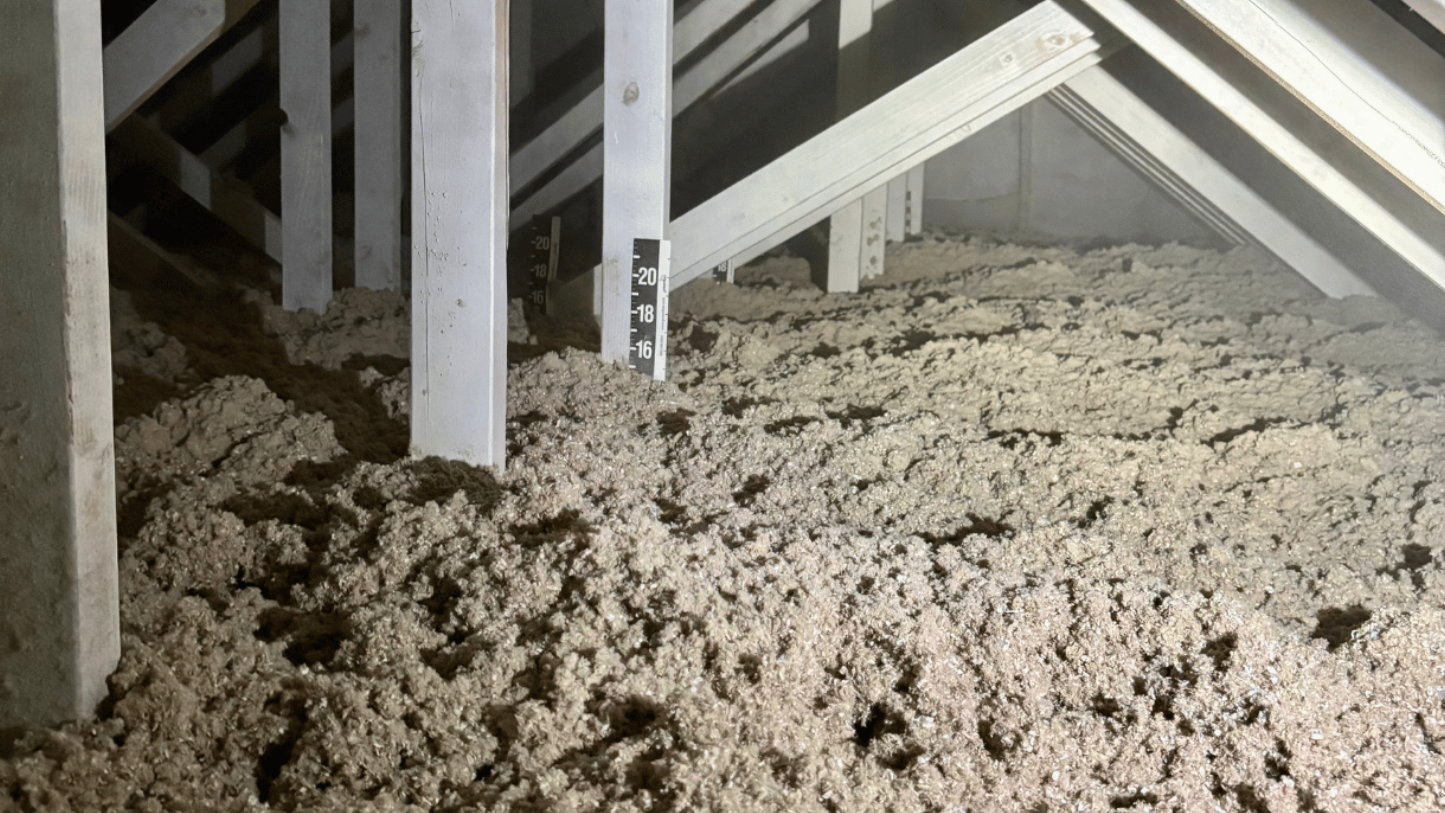
If it's in the insulation: remove the contaminated insulation, treat and seal the attic, fix the ventilation and air leaks, and blow in fresh cellulose to R-49 or R-60. Still usually one day, and you end up with a better attic than you started with.
If the sheathing is soft: we coordinate with your roofer so the remediation and the roof happen in the right order.
Either way, the earlier we catch it, the shorter the list.
Serving every corner of Spokane County and beyond
We inspect and remediate attic mold in Spokane, Spokane Valley, Liberty Lake, Cheney, Airway Heights, Medical Lake, Mead, Colbert, Deer Park, Nine Mile Falls, Suncrest, Chattaroy, Otis Orchards, Newman Lake, Millwood, Fairfield, Rockford, Spangle, and Tekoa, plus Post Falls, Coeur d'Alene, and Hayden across the state line, and Colfax and Pullman on the Palouse.
Don't wait for the inspector to find it for you
If you've been meaning to get the attic checked, this is the reminder. Book an attic mold inspection online at insulationspokane.com/inspections or call (509) 879-0495. Selling or buying? Same-day inspections through the Home Sale Hotline: (509) 351-2811.
Everything Attic. Except Bats. We're Terrified of Bats.
To schedule an Inspection Click Here
Follow us