Identifying Mold Growth in Your Attic
Your attic is a space that often goes unnoticed. Yet, it can harbor a silent intruder that poses a threat to your health and home.
This intruder is mold.
Mold in the attic can be a serious issue. It can damage your property, affect your health, and even lower your home's value.
But how do you know if you have mold in your attic?
This article will guide you through the signs of mold in the attic, the health risks it poses, and how to deal with it. We'll also discuss how to prevent future mold growth.
By the end, you'll be equipped to identify and address mold issues in your attic, ensuring a safer and healthier home environment.
Recognizing the Signs of Mold in Your Attic
Mold in the attic can often remain hidden due to its isolated location. Knowing the indicators of mold presence can help you tackle the problem early.
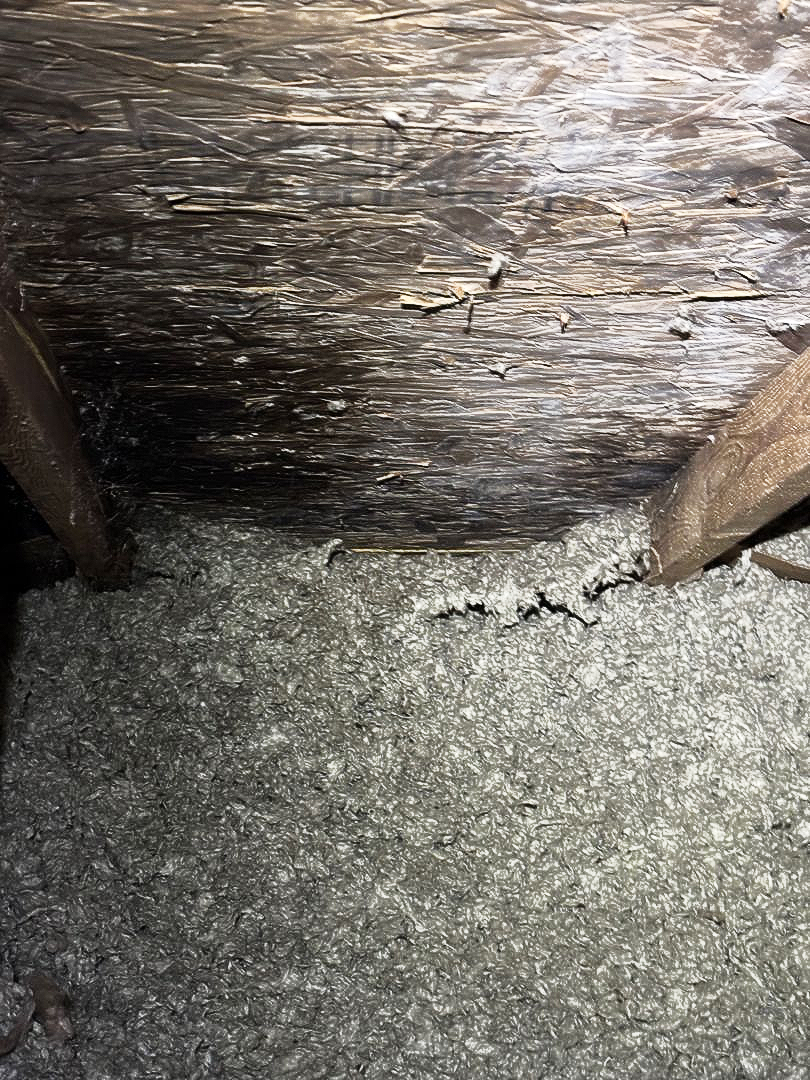
Visible signs are the easiest to spot. Look for irregular spots or discolorations on surfaces. Mold can appear in various colors like black, white, green, or brown.
Another common sign is a persistent musty odor. This is often a clear indication of mold, even if it is not yet visible.
Mold thrives in damp environments, so check for water stains or damage. These can lead to mold development over time.
Examine insulation for any discoloration or dampness. Insulation can absorb moisture, creating a perfect environment for mold to grow.
Ventilation systems can also harbor mold. Check for any blockages that may be causing damp air to stagnate.
Look for signs of condensation on attic windows or around HVAC equipment. This moisture can encourage mold growth.
Inspect wood sheathing and rafters for mold growth. These areas are prone to mold if not ventilated properly.
Visible Mold Growth
Visible mold is perhaps the most straightforward sign. It usually appears as spots or fuzzy growths on surfaces like wood or insulation.
Mold can be easily mistaken for dirt, so investigate any suspicious areas thoroughly.
Different colors of mold do not necessarily indicate toxicity. Focus on the extent of the growth instead.
Visible mold is often found near water sources or areas with high humidity.
Keep an eye out for any sudden or unusual growth patterns, as these can indicate a larger problem.
Musty Odors and Stains
A musty odor often signals the presence of mold. Even if you can't see mold, a persistent smell should not be ignored.
Odors can be more noticeable after periods of rain or high humidity.
Stains on wood or fabric in the attic can be indicative of mold or moisture issues.
Any discoloration should be looked at closely, as it could signify underlying mold problems.
If you detect these odors or stains, further inspection is crucial.
Water Damage and Moisture Issues
Water damage is a precursor to mold growth. Keep an eye out for water stains on walls or ceilings.
Areas around roof leaks are especially vulnerable. Address these issues promptly to prevent mold.
Inadequate insulation can lead to moisture retention. This creates a breeding ground for mold.
Blocked soffit vents restrict airflow, causing moisture to accumulate. Regular vent checks are essential for prevention.
Unaddressed water issues can quickly escalate into significant mold problems. Regular inspections can save time and money in the long run.
Health Risks of Attic Mold
Attic mold is more than a mere inconvenience. It poses significant health risks for those exposed to it regularly.
Mold spores can easily circulate throughout your home, affecting indoor air quality. This is a serious concern for anyone, but especially for those with pre-existing conditions.
Exposure to mold often leads to respiratory problems. Symptoms may include coughing, sneezing, and a sore throat.
by Boston Public Library (https://unsplash.com/@bostonpubliclibrary)
Irritation of the eyes and skin can also occur when exposed to mold. This is particularly common in sensitive individuals.
Prolonged exposure can exacerbate allergies and asthma symptoms. Those with asthma might experience more frequent or severe attacks.
Infants, the elderly, and individuals with weakened immune systems are at higher risk. For them, the effects can be more severe and long-lasting.
Even short-term exposure to attic mold can trigger symptoms quickly. Recognizing these early can help in addressing the mold problem sooner.
Short-Term Mold Exposure Symptoms
Short-term exposure to mold has noticeable effects. Common symptoms include sneezing, coughing, and a runny nose.
Some individuals may experience headaches and dizziness after exposure. These symptoms can appear quickly after inhalation.
Those allergic to mold may experience hives or rashes. Skin contact with mold can trigger these reactions.
Short-term symptoms usually dissipate after addressing the source. Immediate action can prevent escalation.
Though not severe, these symptoms can disrupt daily life. Prompt attention to the underlying issue is crucial.
Long-Term Health Implications
Long-term exposure to attic mold can lead to more serious issues. Respiratory conditions may worsen over time, becoming chronic.
Asthma sufferers may find their symptoms escalating. This could include more frequent asthma attacks.
Some mold types produce mycotoxins, harmful to both humans and pets. Constant exposure can weaken the immune system.
In severe cases, exposure might lead to chronic sinusitis. This can cause persistent discomfort and affect quality of life.
Preventing long-term exposure is essential for maintaining health. Regular inspections can aid in early detection, reducing risks.
Is Mold in Your Attic Dangerous?
Mold in your attic should never be overlooked. Its presence can threaten both your health and home integrity.
Various mold species can grow in attics, each with different risks. This adds a layer of complexity when assessing the situation.
Even less harmful mold types can lead to respiratory issues. Sensitive individuals, in particular, must remain vigilant.
Mold doesn't just affect health; it can compromise structures. Wood, drywall, and insulation are prime targets for mold damage.
As these materials degrade, the attic's structural integrity weakens. This can lead to costly repairs if not addressed.
Ignoring mold means risking further home depreciation. Potential buyers are often wary of homes with mold history.
Being proactive with mold management can save money. It can also maintain your home's value and ensure a healthy living environment.
The Toxicity of Different Mold Types
Mold types vary in toxicity. Some are relatively harmless, while others pose significant health risks.
Black mold, for instance, is infamous for its toxicity. It can cause severe respiratory and neurological symptoms.
Other molds may not produce mycotoxins but still cause allergies. Milder symptoms like sneezing and coughing are common.
Understanding mold types helps prioritize remediation. This knowledge ensures you tackle the most harmful types first.
Structural Damage and Home Value Impact
Mold is more than a health hazard; it harms your home's structure. Attic wood and insulation suffer first.
As mold eats away at materials, the attic's strength diminishes. This can lead to expensive structural repairs over time.
Mold presence can severely impact home value. Potential buyers often worry about undisclosed mold issues.
Promptly addressing mold preserves both structure and value. This proactive approach reassures future buyers.
How to Inspect for Mold in Your Attic
Routine inspection is key to combating attic mold. Early detection can prevent widespread damage and health issues.
Identifying mold in its early stages is essential. Regular inspections offer a significant advantage in managing mold.
A visual inspection can help spot visible mold. Yet, hidden areas can harbor mold unseen.
Turn on a flashlight to examine dark corners thoroughly. Look under insulation and around joists for mold evidence.
Aside from visual clues, be aware of odors. Musty smells often signify hidden mold issues in enclosed spaces.
Touch can be a valuable tool, but caution is advised. Avoid direct contact with suspected mold-infested areas.
Maintaining a regular inspection schedule helps avoid costly repairs. Being proactive is your best defense against mold.
Document any mold signs with photos and notes. This record can assist professionals if remediation becomes necessary.
Below, we detail the tools and procedures for efficient mold inspection.
Tools and Safety Gear for Mold Inspection
Safety is crucial when inspecting for mold. Essential protective gear protects against harmful mold spores.
Wear gloves to avoid skin contact with mold. A mask and goggles keep mold spores away from eyes and lungs.
Basic tools are necessary for effective inspection. A flashlight will help illuminate dark, potential mold hotspots.
Utilize a hygrometer to measure attic humidity. High humidity often correlates with mold growth, signifying immediate attention.
Use a camera to document your findings. These images provide evidence if professional intervention is needed.
Steps for a Thorough Attic Mold Inspection
Inspecting for mold requires a systematic approach. Follow these steps to ensure a comprehensive evaluation:
- Put on all necessary safety gear.
- Use a flashlight to examine all corners.
- Check areas like rafters and insulation.
- Measure humidity levels with a hygrometer.
- Document findings with photos and notes.
Begin your inspection with a general overview. Then focus on specific mold-prone areas like wood and drywall.
Humidity is a critical factor in mold growth. A hygrometer reading above 60% signals potential mold issues.
Taking pictures provides a visual record of mold presence. This can be invaluable if you decide to seek professional help.
Lastly, evaluate findings and decide next steps. Whether it requires DIY measures or professional intervention will depend on your assessment.
DIY vs. Professional Mold Remediation
Deciding between DIY and professional mold removal is crucial. Your choice depends on the severity and location of mold.
For small mold patches, a DIY approach may suffice. However, safety and thoroughness should not be compromised in the process.
Serious mold invasions require professional expertise. Experts ensure complete removal and address root causes.
Professional services often guarantee better long-term results. They have the tools and knowledge to handle significant infestations.
Evaluating the situation correctly is key. Incorrect assessment could lead to incomplete removal and regrowth.
Consider your safety when choosing a removal method. DIY methods require appropriate equipment and knowledge.
Time and effort should also guide your decision. DIY solutions might be quick for small jobs, but larger efforts can be cumbersome.
Professionals can provide peace of mind with their services. They mitigate the health risks associated with mold.
Weighing costs is also an essential step. While DIY can be economical, ineffective efforts might lead to higher expenses later.
Determining the best approach helps secure a healthier home environment.
When to Handle Mold Removal Yourself
Small, confined mold patches suit DIY strategies. Focus on areas less than 10 square feet.
Mold on non-porous surfaces like tile or glass is easier to clean. Simple household cleaners can often tackle these issues.
Ensure you have the right safety gear. Gloves, masks, and eyewear protect you from mold spores.
Thoroughly clean and dry the area after removal. This step reduces the likelihood of mold's return.
Understand your limits in tackling mold problems. If it seems too complex, consulting a professional is wise.
The Benefits of Hiring a Mold Remediation Professional
Professionals offer comprehensive assessments. They identify mold's extent and underlying causes.
Experts use specialized tools for efficient removal. This often results in more thorough cleaning than DIY efforts.
Professional services include preventive measures. They address potential future mold growth, providing long-term solutions.
Hiring experts can save time and energy. You avoid the hassle of complex cleaning procedures.
Most importantly, professionals ensure safety. They handle hazardous mold types without risking health, offering a reliable resolution.
Preventing Future Mold Growth in Your Attic
Preventing mold in your attic is essential for a healthy home. It involves a few proactive steps and vigilant maintenance.
Ensure your attic is well-ventilated. Proper air circulation keeps humidity low, deterring mold growth.
Insulation also plays a vital role. High-quality insulation helps regulate temperature and reduces condensation.
Regular maintenance checks are crucial. These help identify issues like leaks or ventilation problems before mold can develop.
Using mold-resistant materials can be an effective deterrent. These materials are specifically designed to resist mold formation.
To achieve a mold-free attic, consider the following practices:
- Ensure proper ventilation: Install attic fans or soffit vents to maintain airflow.
- Fix leaks immediately: Address any signs of roof leaks or moisture intrusion.
- Control attic humidity: Use dehumidifiers to keep humidity levels below 60%.
- Inspect regularly: Check for signs of water damage or discoloration.
- Apply mold-resistant products: Use these for paints and building materials.
These efforts combine to create a hostile environment for mold. They protect not only your attic but your entire home.
In addition to these practices, regular education and updates on best practices are beneficial. Staying informed can prevent potential mold issues.
Improving Attic Ventilation and Insulation
Good ventilation is key in mold prevention. Proper airflow regulates humidity levels, which mold thrives on.
Ensure vents are unblocked and functioning properly. They should allow fresh air in and humid air out.
Attic fans can enhance airflow. They help distribute air evenly, maintaining constant ventilation.
High-quality insulation complements ventilation. It stabilizes temperature, reducing condensation risks.
Also, inspect insulation for moisture regularly. Replace any damp or compromised sections to maintain its effectiveness.
Regular Maintenance and Moisture Control
Routine checks are essential for a mold-free attic. Regular maintenance involves inspecting structural integrity and moisture presence.
Look for roof leaks or water stains. Addressing such signs early can prevent major mold problems.
Utilize moisture control measures. Dehumidifiers keep humidity below critical levels.
Consider professional inspections if unsure. Experts can identify hidden issues not evident at first glance.
To effectively control moisture and prevent mold:
- Inspect after severe weather: Storms can create unnoticeable leaks.
- Regularly check roof shingles: Damaged shingles allow water entry.
- Clean gutters and downspouts: Ensure they efficiently redirect water.
- Monitor attic humidity: Use a hygrometer to track levels.
- Seal openings and cracks: Block any paths for moisture infiltration.
These steps reduce moisture risks. Prevention is cheaper and easier than dealing with mold aftermath.
Using Mold-Resistant Materials and Practices
Choose materials resistant to mold for long-lasting prevention. These are often made with additives that deter mold growth.
Consider mold-resistant drywall or insulation. These options are especially useful in areas prone to humidity.
Use mold-resistant paints to coat surfaces. They provide an additional barrier against mold colonization.
Implement practices that promote mold resistance. Regularly dry any wet materials immediately.
Educate your household on mold prevention. Awareness is a powerful tool in maintaining a mold-free environment.
Conclusion: The Importance of Addressing Attic Mold
Addressing mold in your attic is critical for both home safety and health. Mold can compromise structural integrity if left untreated.
Prompt action is essential. Early detection prevents mold from spreading to other house areas.
Ignoring mold risks health problems. It can cause respiratory issues and aggravate allergies.
Financially, mold damages property value. Disclosure during sales is required, impacting transactions.
Ultimately, proactive measures ensure a mold-free environment. Invest time in inspections and maintenance to protect your home and family.
Follow us